


The Future of Transparency
As consumer preferences change, the way vehicles are sold will need to change as well. So said Chip Perry, CEO of TrueCar, during a special presentation at the 2018 P&A Leadership Summit.
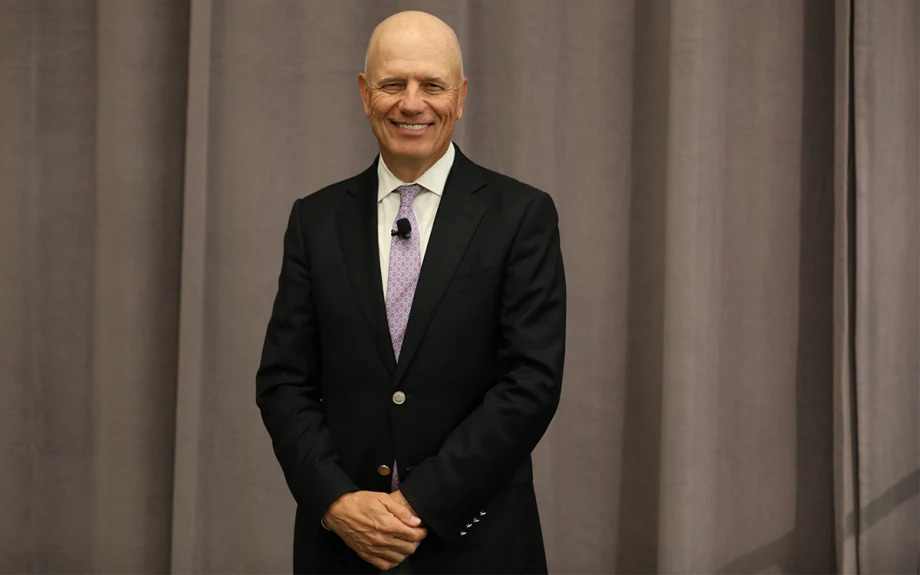
As consumer preferences change, the way vehicles are sold will need to change as well. So said Chip Perry, CEO of TrueCar, during a special presentation at the 2018 P&A Leadership Summit.
At the P&A Leadership Summit last October, Chip Perry, president and CEO of TrueCar, addressed the complex ecosystem that F&I now lives and plays in. He noted that, while he hasn’t been part of the F&I segment in the past, the reality is that third-party websites like his — and others, including Autotrader, Cars.com, Edmunds, and Kelley Blue Book — sit in a space between the dealer and the consumer, and everyone in the supply chain needs to do a better job of working together to create a better experience.
“We’ve learned to live in the middle,” said Perry, “and be sensitive to both [the dealer and the consumer].”
Each of these third parties, he notes, have huge audiences of consumers who are looking to purchase vehicles. At the same time, he says they are constantly researching what the dealers and OEMs need as well, and do their best to ensure both sides can find common ground.
Some of the questions that consumers are constantly seeking answers on include:
Should I buy new or used?
What car should I buy?
What price should I pay?
Which dealer should I buy from?
Should I buy or lease the vehicle?
When is the best time to buy?
The end result is that consumers are seeking as much transparency as possible, across the board, before they ever set foot in a dealership. “This industry, from a consumer perspective, has been so opaque and difficult to penetrate, that this is what they’ve been focusing on. And this is what the third parties have been focusing on,” said Perry. “I believe we’re about to enter a new phase of evolution in our industry where more transparency is going to be brought to more aspects of the automotive transaction.”
He noted that F&I product providers and administrators are in many ways at the forefront of this evolution. After all, P&A leaders are gatekeepers for much of the information consumers are seeking more transparency about, Perry said. He acknowledged the segment is still split on that issue. Many believe it is time to become more consumer-centric and -friendly. Many others maintain the current model is the best way to continue moving forward.
“We’re at a place and time right now, I think, where this industry is of many different minds,” he said. “There is no single view of the future here. All we have to do is go to a few dealer websites — big-name companies who consider themselves progressive — but you go to their websites and they don’t go beyond allowing a consumer to submit a credit application after seeing a car. That’s all they do. There are other dealers — famous ones too — that go way farther than that.”
Over the next five to 10 years, he continued — not the next two or three — is when he believes a lot of change is going to come. People have been saying that for years now; however, Perry noted, the notion of more transparency has been building steam for some time now. The internet was originally just a replacement for newspaper classifieds, but the concept of a complete digital retail environment is steadily gaining ground.
The first generation of third-party providers advocating for transparency began with a focus on inventory, and on helping consumers connect with the right car at the right time. They have continued to evolve, and the next generation, Perry said, will focus even more heavily on price and payment transparency, with third parties, digital retail stores, and the traditional dealers themselves all forced to evolve.
Still A Lot of Unmet Needs
“There are still a lot of pain points,” noted Perry. “It’s pretty incredible that, other than the basic information about cars being put online — and we talk about how much change there has been in this industry — there really hasn’t been a tremendous amount of change in the way car deals get done.”
Consumers, he noted, still need to go through a journey. They spend an average of 20 hours researching the car they want to buy. They’re looking at price. They’re looking at dealerships. They’re looking at the values. And then, when it comes time to actually buy a car, they are in many ways still beholden to the way a given dealer wants to complete the sale. It is a complex journey, said Perry, and third parties are looking to fill in the gaps, addressing some of the pain points from both sides of the deal.
Right now, he pointed out, the information is hard to stitch together for consumers who want to be knowledgeable. No one, yet, has pulled it all together. “There is no Airbnb. There is no Amazon. There is no end-to-end experience in automotive where a consumer can research, price a car, use the information they get about pricing and the potential experience they’re going to get at the dealership, to determine where they should go buy their car.”
To really understand these pain points where consumers want more transparency, Perry noted that his company wired a large pool of consumers with an app and followed them through the entire process. The biggest issues consumers today still have with the car-buying process were:
1. Time: Consumers hate being forced to sit and wait while their salesperson and sales manager go back and forth.
2. Online disconnect: Consumers who did use a dealer’s online system were surprised when they arrived to learn some fees and other pricing information weren’t presented, resulting in a higher price at the dealership than the one they were quoted online.
3. Transparency on price: Consumers hate that dealers aren’t transparent about the pricing of the vehicle they are buying.
4. Validation: Consumers hate trying to figure out how the actual value of their car compares with the deal they’re offered.
5. Pressure: Consumers hate feeling like the salesperson isn’t listening to their needs and wants, instead trying to sell them whatever they can.
Perry believes the result of these issues is that consumers come into the car-buying process with an inherent lack of trust.
“Generally speaking there is more dissatisfaction than pleasure about car buying,” he said. Despite the best efforts of many good dealers, he added, there is still a “trust gap,” with only politicians ranked as less trustworthy than car dealers in a 2017 YouGov Omnibus study. In a survey of TrueCar customers released the same year, 17% of consumers said they trust used car dealers, and only 30% say they trust new car dealers. Very few trust a dealer’s trade-in offers (31%), pricing (40%), or financing terms (45%), in fact.
“This is a big thing that needs to be addressed in any consumer-dealer interaction. How do you build trust? You build trust by transparently sharing information and validating the information is correct, and being consultative with the consumer about their car purchase,” said Perry. These are tough statistics to accept, but he pointed out that rather than be discouraged, this spells opportunity to stand out and differentiate for those who are willing to evolve.
The Future of Car Buying
That doesn’t mean, however, that consumers want to completely throw dealerships out of the picture. In fact, Perry noted that in the TrueCar study, 90% of consumers said they actually prefer to negotiate the price of the vehicle rather than just pay the asking price — they aren’t necessarily looking for a “shopping cart” car-buying experience. And just 54% responded that they want to complete the entire deal online, only finalizing paperwork at the dealership. And 90% of consumers still want a test drive before making their final decisions. This is a strong suggestion that the right digital retail experience is one that will help dealers sell cars in a more efficient, transparent manner, not replace them altogether.
Online shopping is influencing the way consumers think about purchasing things. They are looking for third-party validation to prove that the information they’re receiving is correct. They are looking for convenience in finding the vehicles they want. And they are looking for the ability to customize a vehicle to their own specifications, rather than just accepting what’s on the lot as the only option out there. The momentum, said Perry, needs to be around the consumer’s decisionmaking process.
The reason digital retailing innovators are gaining momentum in the automotive space is that they are addressing all of these needs, providing everything from the car listings and vehicle information, to the configuration tools, to ratings and reviews, to the F&I products and loan calculators, Perry said.
“There is so much noise, and so much baggage from past bad experiences. And there are still so many dealers who have varying strategies around this. … A dealer has plenty of room to be transparent and market themselves as such, and steal share from dealers who aren’t willing or able to play ball that way. The people who succeed in this competitive free enterprise system are the ones who provide more value to the consumer, faster and better, than their competitors.”
This is a great point in time for the industry, he noted, for dealers to make some of these changes and still be very successful, with very healthy bottom lines, while at the same time catering more toward what modern consumers want from their car-buying experience.
“If [digital retailing] is leveraged well,” noted Perry, “it can benefit the dealer. It can create a culture in the store where we are here to serve the consumer, build trust and create repeat business and positive word of mouth about our store. We will not necessarily win awards for the highest F&I margin per car. But what we will win is growth in market share over time.”
In fact, he pointed out that 64% of consumers have indicated that if they had more time to learn about F&I products — what they are, how they work, what they cover — they would be more likely to buy them. In fact, Perry noted that AutoSuccess magazine found that dealerships earn as much as $500 to $700 more on F&I per vehicle sold online with a transparent process, since consumers have the time to research the products and better understand how and why they make sense.
The biggest takeaway from the session is that digital retailing is not going away any time soon. Consumers continue to push for more transparency across the entirety of the automotive shopping process, and those dealers, providers and third-party services who embrace the concept are far more likely to succeed in the long term. It won’t happen overnight, but the steady press of change is relentless.
The question isn’t whether or not the process will become more transparent, with consumers taking more control over the information, Perry said. Rather, it is more a matter of working with them and remaining profitable in this new phase of automotive sales. There is no one right answer, but for those who want to continue to be in business in the next decade, the only wrong answer is to ignore the push for more transparency and do nothing at all.
More Industry

The Powertrain Shift
Electric-vehicle owners are backpedaling, according to new data, with product availability driving many to shift back to gas-powered engines.
Read More →
Achromatic Autos
The shades that dominate the U.S. car market don’t call attention to themselves, though grayscale may have plateaued after a 30-year upswing, research shows.
Read More →
Used-Vehicle Affordability Worsens
Listing prices in August defied seasonal trends, rising above $27,000 for the second time this year.
Read More →
First-Half Dealership Deals Up
Buy-sell activity shows that acquirers are looking for value and scale as many retailers seek to leave an increasingly competitive and complex market, Kerrigan Advisors reports.
Read More →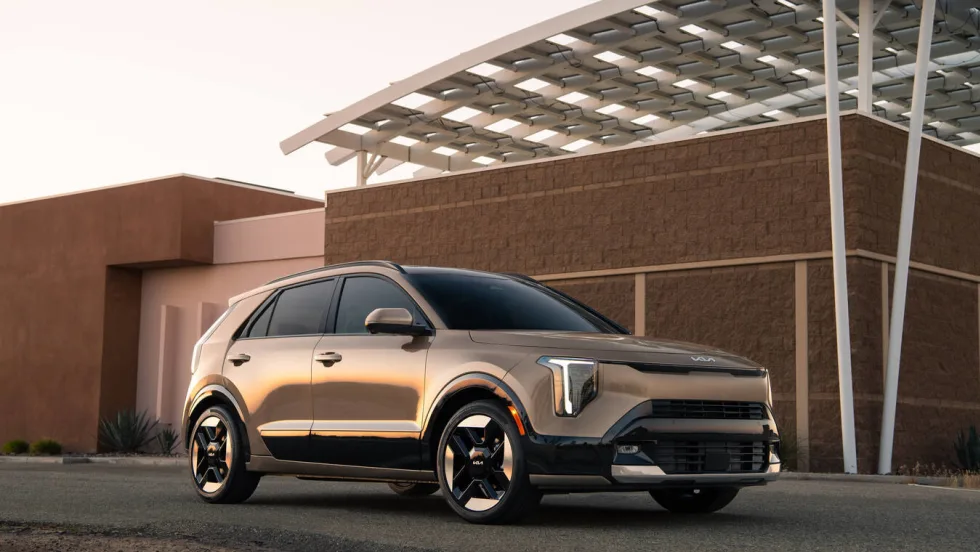
Kia Closes Out Summer With a Bang
Its U.S. subsidiary broke multiple records in August, in part due to a surge of demand for hybrids models.
Read More →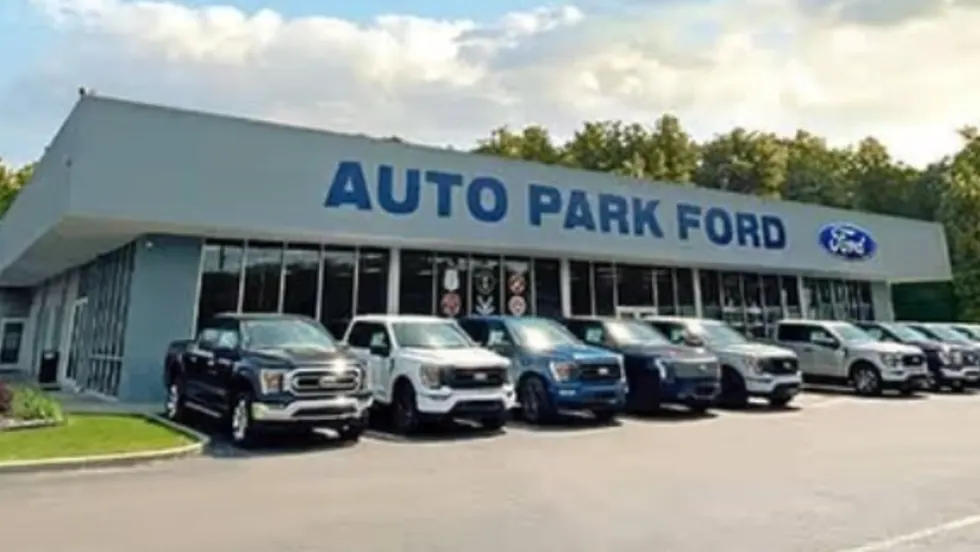
Indiana Dealership Changes Hands
A 30-year-old Ford dealership in Indiana has a new owner and will soon be undergoing renovations to meet manufacturer requirements.
Read More →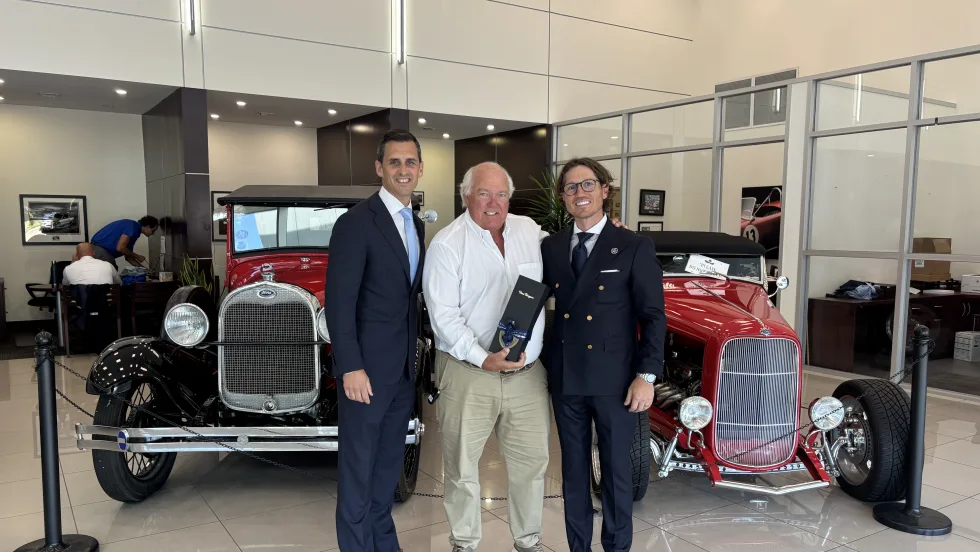
Texas Dealership No Longer in the Family
The Ford store, a longtime cornerstone of the Houston market, is now part of one of the fastest-growing U.S. auto groups.
Read More →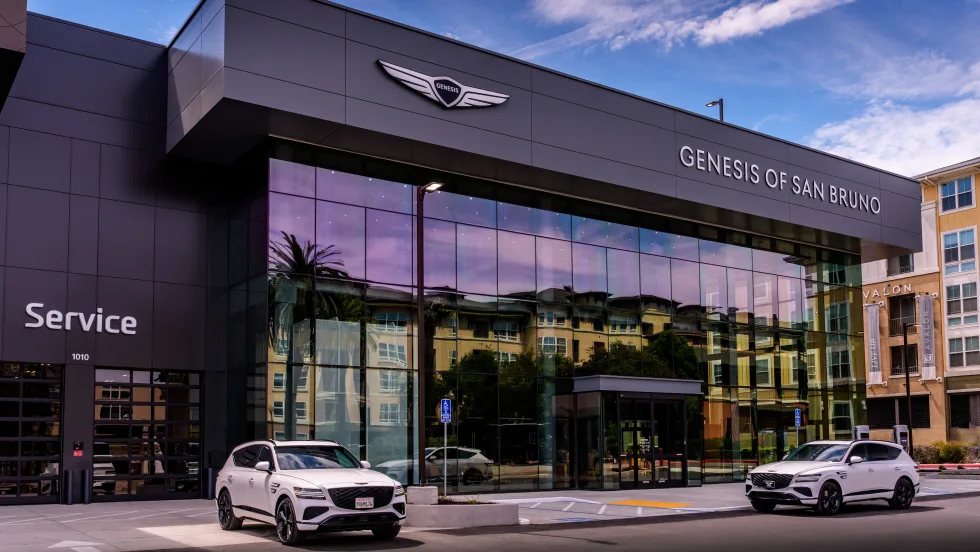
Genesis Grows California Presence
The Cardinale Automotive Group opened its third Genesis rooftop in the Golden State, Genesis of San Bruno, a stand-alone dealership serving the San Francisco Bay Area.
Read More →
August Auto Sales a Mixed Bag
An early forecast shows strong business despite consumer hurdles, and hybrids are a big piece of their affordability coping strategy.
Read More →
EV Market Humming Along
July sales show steady growth as the segment stabilizes from last year’s artificial surge following pullback of federal support.
Read More →