


Why It Doesn't Matter That Trump Won

Why It Doesn't Matter That Trump Won
2016 is now in our rearview mirror. For many of us, that is a relief. The election created debate, anger, frustration, exhilaration and — depending on whom you supported — either hope or despair.
However, unless you are an automotive manufacturer who committed billions to building a plant in Mexico and now face the possibility of import taxes or a U.S. worker in an automotive manufacturing plant, Trump’s victory is significantly less important than several other factors that will affect the automotive industry, retail and aftermarket sales in 2017 and beyond.
Factors at Play
To see the future, it’s sometimes best to look to the past. In 2009, after the economic crisis, I was on a panel at Industry Summit. My fellow panel members were indicating that the “new post-Recession economy” would significantly change car buying and automotive retail opportunities.
I was a contrarian on that panel. I said that nothing would change because human needs don’t change, regardless of the economy. Similarly, in 2017, regardless of who is president and which party controls Congress, car buyers will have the same basic needs: to be treated fairly and respectfully, to have transparent and fast transactions, and to have affordable payments on vehicles and protection products.
More important factors affecting automotive sales in 2017 will be rising interest rates, rising vehicle prices and longer loan terms. As interest rates rise, lenders and dealers will be tempted to continue to extend loan terms to allow for lower and more affordable payments.
Longer loan terms mean more negative equity in the market — and we already have a growing problem with negative equity in the market. In 2009, only 13.9% of owners were upside down in their vehicles. In 2016, according to Edmunds, 32% of all vehicles offered for trade-in at U.S. dealerships were upside down. The average amount of negative equity on those vehicles also rose to a record high of $4,832.
An Uncertain Future
As interest rates rise and negative equity in the market continues to grow, car buyers will face greater challenges in achieving affordable payments that fit their budgets. These factors will put additional pressure on vehicle sales.
Longer loan terms and rising vehicle prices are already exacerbating the negative equity problem in the market. According to Experian Automotive, the average new car loan currently is 68 months. The average car loan for buyers with FICO scores in the low 600s or worse is 72 months. Adding pressure to the problem of negative equity and affordability, the average selling price of a new vehicle is near a historic high of almost $34,000. The average new auto loan was almost $30,000 in the second quarter of 2016, according to Experian Automotive. That’s 4.8% higher than in 2015.
The upward pressures of rising interest rates, increasing vehicle prices and longer loan terms that generate negative equity will have a significantly greater impact on vehicle sales and our industry than Trump’s presidency and Republican control of Congress. We must be looking for ways to help customers achieve more affordable payments while reducing loan terms to correct the current trends which will lead to greater challenges to automotive and aftermarket product sales in 2017 and beyond.
More Industry

Achromatic Autos
The shades that dominate the U.S. car market don’t call attention to themselves, though grayscale may have plateaued after a 30-year upswing, research shows.
Read More →
Used-Vehicle Affordability Worsens
Listing prices in August defied seasonal trends, rising above $27,000 for the second time this year.
Read More →
First-Half Dealership Deals Up
Buy-sell activity shows that acquirers are looking for value and scale as many retailers seek to leave an increasingly competitive and complex market, Kerrigan Advisors reports.
Read More →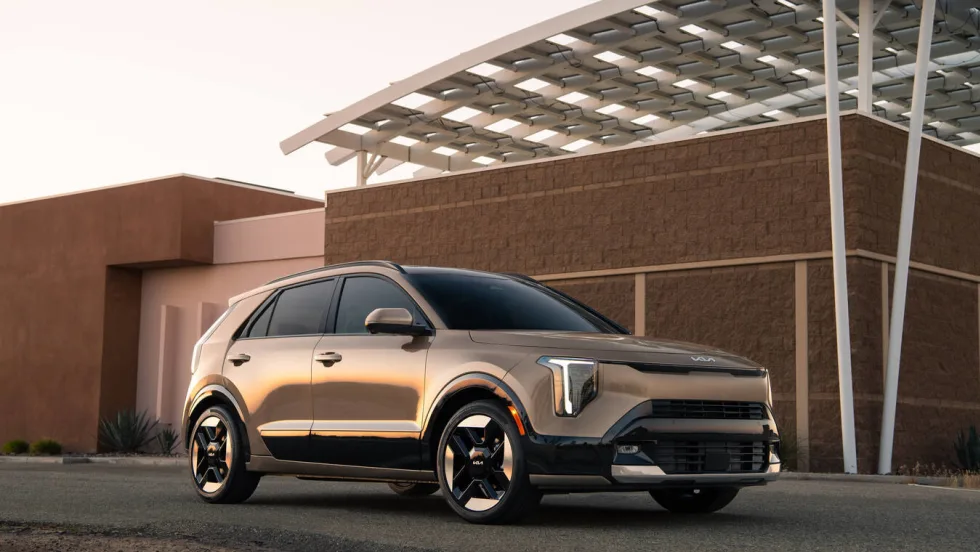
Kia Closes Out Summer With a Bang
Its U.S. subsidiary broke multiple records in August, in part due to a surge of demand for hybrids models.
Read More →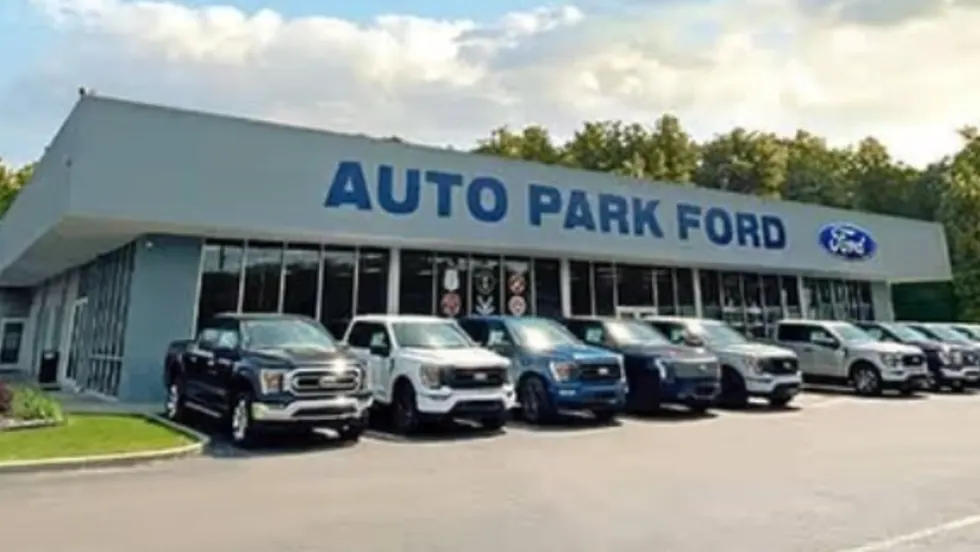
Indiana Dealership Changes Hands
A 30-year-old Ford dealership in Indiana has a new owner and will soon be undergoing renovations to meet manufacturer requirements.
Read More →
Texas Dealership No Longer in the Family
The Ford store, a longtime cornerstone of the Houston market, is now part of one of the fastest-growing U.S. auto groups.
Read More →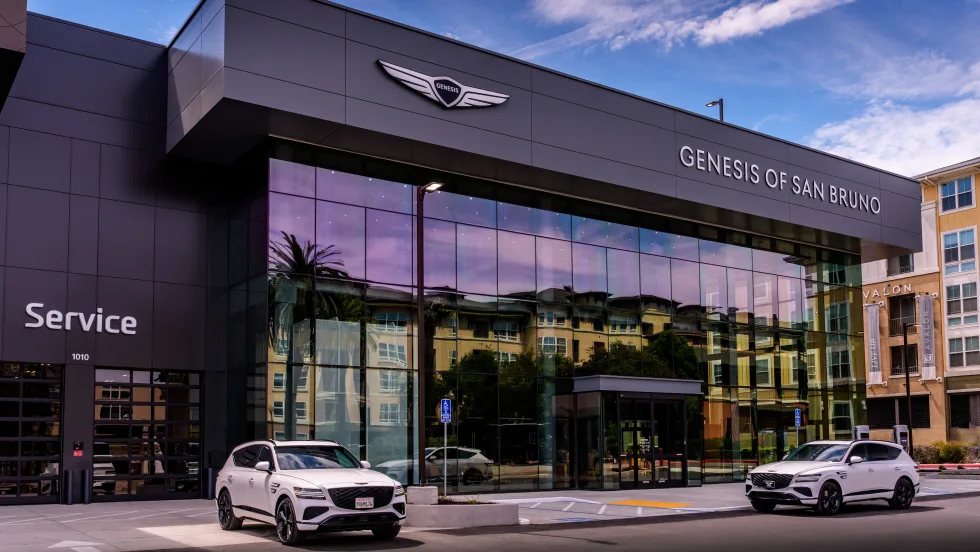
Genesis Grows California Presence
The Cardinale Automotive Group opened its third Genesis rooftop in the Golden State, Genesis of San Bruno, a stand-alone dealership serving the San Francisco Bay Area.
Read More →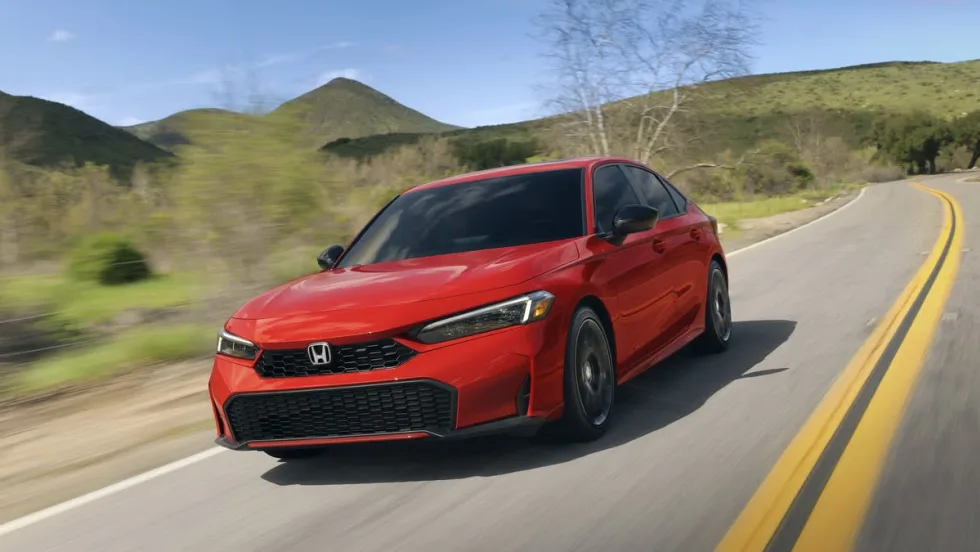
August Auto Sales a Mixed Bag
An early forecast shows strong business despite consumer hurdles, and hybrids are a big piece of their affordability coping strategy.
Read More →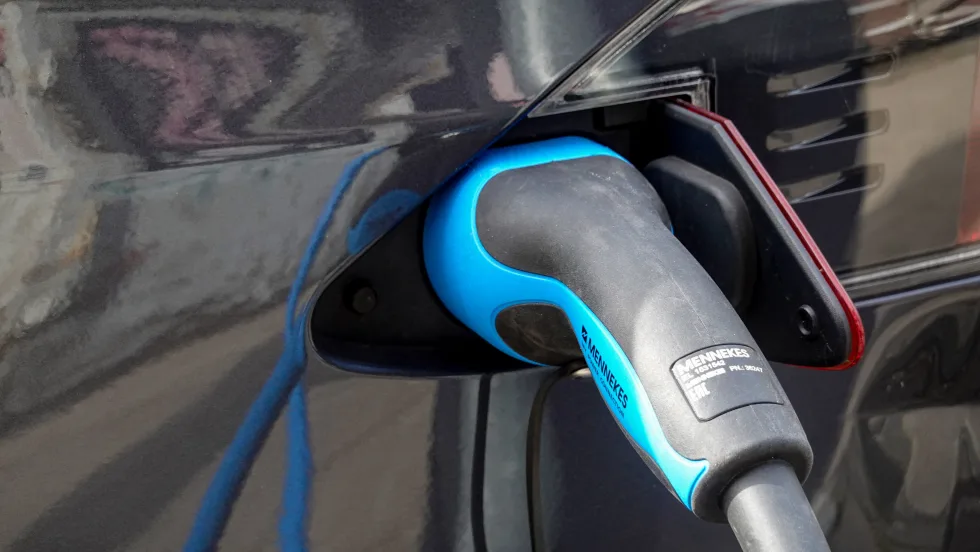
EV Market Humming Along
July sales show steady growth as the segment stabilizes from last year’s artificial surge following pullback of federal support.
Read More →
Auto Loan Delinquency Rates Stabilize
Auto loans are a main driver of nonmortgage consumer debt, but delinquency rates stabilized in the second quarter across all credit risk tiers.
Read More →