


5G Set to Transform Vehicles
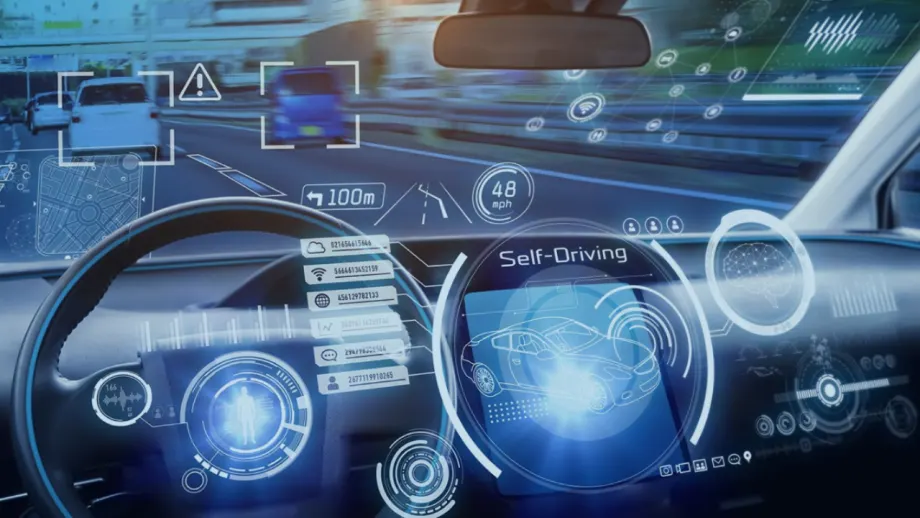
Automakers hope to use 5G in big ways, such as downloading software updates on the go, updating digital maps, and sounding alerts about road conditions.

GeoSpatialWorld.com
As cell companies rollout 5G networks, automakers examine the best ways to tap their potential.
Porsche AG is running its Taycan electric sports cars on a test track in Weissach in southwestern Germany, to learn how 5G equipment built into vehicles lets them exchange data.
Porsche and other automakers have partnered with telecom carriers to build small, local 5G networks to try out the technology as they develop new car models. These networks are so new that auto makers still need to test or even design the equipment they need.
Automakers hope to use 5G in big ways, such as downloading software updates on the go, updating digital maps, and sounding alerts about road conditions. They may develop ways for vehicles to communicate with smart infrastructure such as traffic lights and buildings, so that a self-driving car knows in advance that the stoplight at the next intersection is red. Porsche is even testing how vehicles might talk to other cars on the road to alert them of road hazards.
Porsche Chief Executive Oliver Blume told the Wall Street Journal the data gathered by test vehicles will help the manufacturer design chips for autonomous vehicles and advanced driver-assistance programs.
Faster cellular networks align with the industry shift to use chips that update on the fly. In the past, companies could not update vehicle chips until the next generation of the vehicle arrived. In 2012, Tesla changed that with its Model S, which replaced distributed software with centralized computers update over the air.
Updating software constantly allows auto makers to improve vehicles continually and offer drivers on-demand features such as a heated steering wheel in the winter, or additional horsepower from the electric motor while driving in the mountains.
Vehicles are now connected to the Internet. By 2025, analysts estimate that there will be 100 million connected cars on the road world-wide.
But for updates to be fast and reliable, automakers need access to a super-fast network like 5G.
Porsche partnered with Vodafone Group PLC to build two local 5G networks: one at its research-and-development center in Weissach to test 5G technology in cars, and one at its main plant in Zuffenhausen to develop applications for high-speed data transfer.
The test networks went online in September. Porsche is building another test network in Italy.
General Motors Co. has teamed up with AT&T, which operates a large U.S. 5G cellular network. GM has promised to launch 5G technology in select models in 2024.
In a statement, GM said: “This technology will mean faster speeds for downloading music, videos and various maps for navigation services, but it also extends to vehicle updates. As over-the-air technology becomes mainstream, GM vehicles will download new updates quicker than ever as its brands launch new features for their cars, trucks and SUVs.”
Stellantis NV, which owns Chrysler, entered a joint venture with Hon Hai Precision Industry Co. (Foxconn) for a new operation known as Mobile Drive. The venture will develop digital dashboards and displays and other connected-car technologies for future models that will take advantage of 5G’s faster data transmission. Stellantis hasn’t yet announced when it will include 5G technology in its models.
Toyota Motor Corp. has partnered with Japanese telecom carrier Nippon Telegraph & Telephone Corp. to build high-capacity data networks and technology that will include creating 5G standards for the company’s connected vehicles. Toyota plans a range of applications for 5G networks, including over-the-air software updates and remote monitoring of autonomous vehicles and in-car multimedia applications. Toyota hasn’t said when it would launch a 5G-ready car.
Originally posted on Auto Dealer Today
More Product & Technology

Set Yourself Apart
Product providers can follow the lead of industry cohorts in the practice of leveraging their brands through private labeling, pumping new energy into their platforms to stand out from competitors.
Read More →
EVs Excel at Longevity
Research finds that after a certain mileage point, they outlast gas and diesel vehicles despite being driven more.
Read More →
Integrating AI Into Your Admin System
It’s important for finance-and insurance administrators to build the technology into their existing systems instead of bolting it on.
Read More →
Public EV Charging Improves
The infrastructure buildout in the U.S. is providing more availability and safety at a better cost, according to the latest EV experience study by JD Power.
Read More →
AI in the Dealership
A Cox Automotive poll shows most dealers use it, but only some have found the smartest ways to adapt the surging technological sensation.
Read More →
AAA Honors Service and Repair Facilities
Three automotive dealerships made AAA's Service Providers of Excellence and Best in Repair list this year.
Read More →
EFG Launches Product Admin Platform
The company says the offering is designed to empower administrators, service contract providers, and product marketers to expand automotive and power-sports capabilities.
Read More →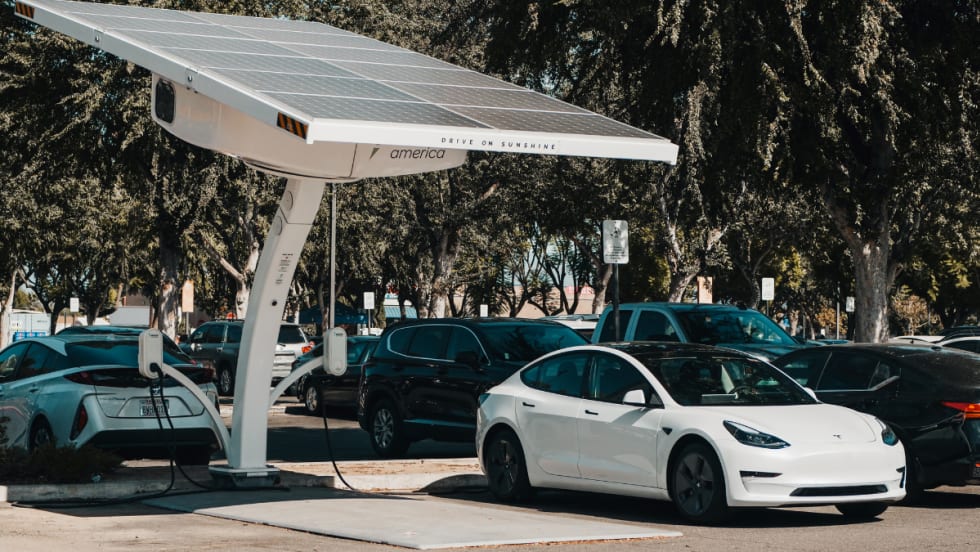
Optimized Charging Could Reduce Costs
According to an Alliance for Automotive Innovation analysis, optimized EV charging could cut costs for drivers and improve grid infrastructure - potential adoption incentives.
Read More →
From Inspection to Impact
Data, video and artificial intelligence are driving service performance today, when inspection performance is closely tied to key business outcomes.
Read More →
Car Karaoke Gets Official Platform
The in-vehicle karaoke and sing-along platform by Samsung arm is meant to add traveling enjoyment safely in technology that automakers can tailor to their specific needs.
Read More →