


Americans Concerned About Interest Rate Hikes, Mark Volatility, Survey Shows

BLOOMINGTON, Ill. — The Federal Reserve’s recent interest rate hike and a rocky start to the year in global financial markets is hurting consumer confidence, according to a new survey. It showed that, on average, Americans believe there is a 36% chance the U.S. economy will fall into a recession this year.
The COUNTRY Financial Security Index, a survey of 1,000 American adults on personal financial security topics, revealed that many Americans are feeling uncertain about the state of the economy. They are unsure how the recent interest rate hike — as well as potential future increases — will influence both the economy and their personal finances.
This wariness comes on the heels of a slight dip in the most recent measure of overall financial security by COUNTRY Financial in December 2015. After reaching post-recession highs in June 2015, the Financial Security Index dipped from 66.9 to 66.6 following months of financial market volatility and interest rate uncertainty.
“While the Federal Reserve has taken its first steps in normalizing U.S. monetary policy, future rate hikes will be measured,” said Troy Frerichs, director of wealth management at COUNTRY Financial. “Right now we don’t view U.S. monetary policy as a major headwind for the U.S. economy in 2016. Despite the rocky start to the year in the financial markets, the U.S. economy continues to grow with strong support from the labor markets and low energy prices.”
Less than 20% of consumers surveyed believe raising interest rates in 2016 will help the U.S. economy, while even fewer (11%) believe it will benefit them personally. In contrast, many Americans have a negative outlook on interest rate increases, but an even larger group doesn’t know what to expect:
31% of Americans report that they “don’t know” what the Federal Reserve’s actions on interest rates will do to the economy
Nearly one in four (23 percent) don’t know how slowly raising interest rates will impact their personal financial situation
“While the Fed usually begins to raise short-term interest rates to keep the economy from overheating, the economy, in this instance, isn’t showing signs of excess and this is more of a normalization process of historically low rates,” said Frerichs. “Initially consumers won’t be deterred from buying homes or cars simply because of this initial rate hike. Financing costs are still very low.”
When the Federal Reserve increased interest rates at its December 2015 meeting, it was the first exposure to an interest rate increase for many millennials. According to COUNTRY Financial, 40% of millennials are unsure how rising rates will impact the economy and 32% do not know how rising rates will influence their own financial situation.
However, more than half of millennials believe that the likelihood of rising interest rates will matter when it comes to making major purchases, such as buying a car or home.
“The initial rate hike was more important for headlines than for the health of the economy, and the economy will need to continue to show improvement for the Fed to keep raising interest rates,” Frerichs noted. “A strong economy should buffer concerns about rising interest rates, especially given the current levels of interest rates.”
More Industry
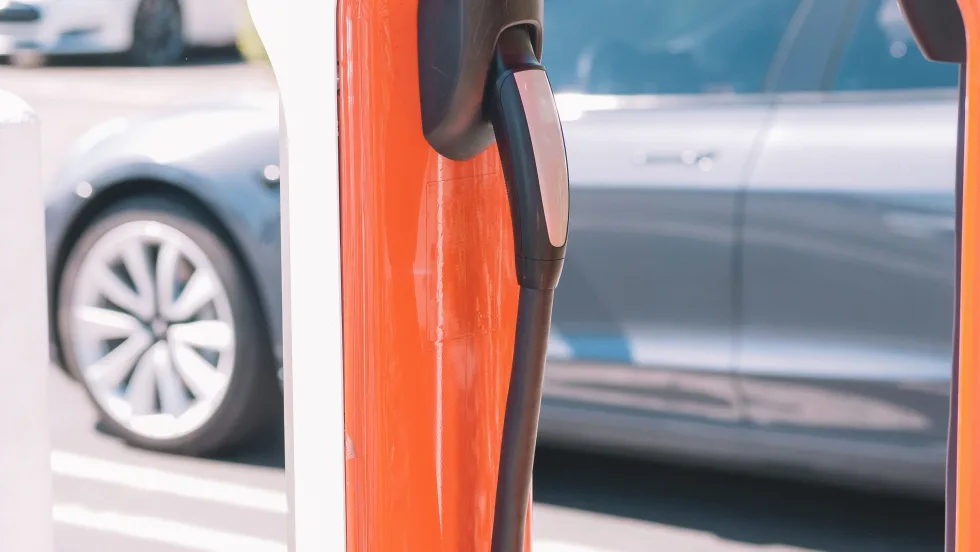
Charger Network Growth Slows
Despite a projected increase in public EV chargers in 2026, charging infrastructure remains a top concern for consumers as the gap between the most and least EV-friendly places remains substantial.
Read More →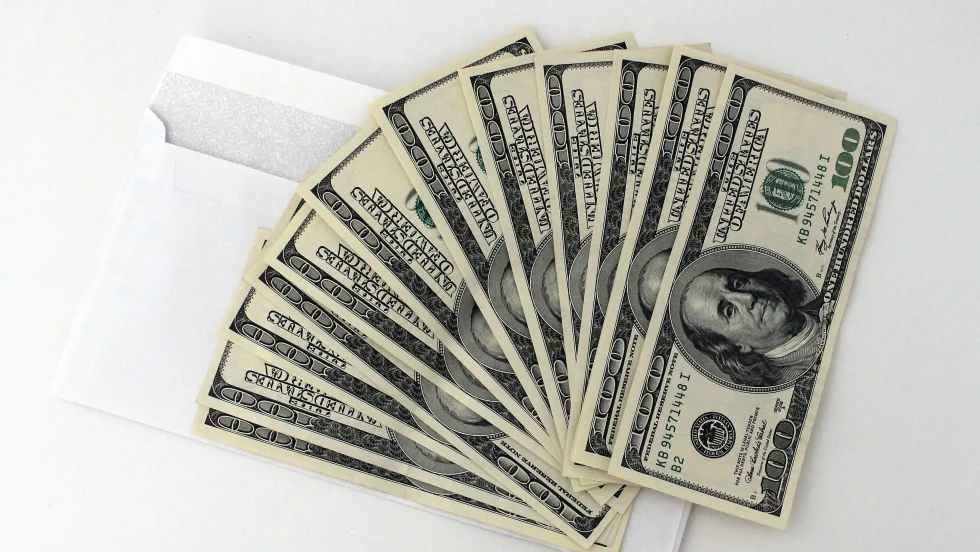
Lenders, Consumers Take on More Auto Loan Risk
September records loosened credit access the most in over a decade as buyers took advantage of the conditions to afford trading, though loan applications fell.
Read More →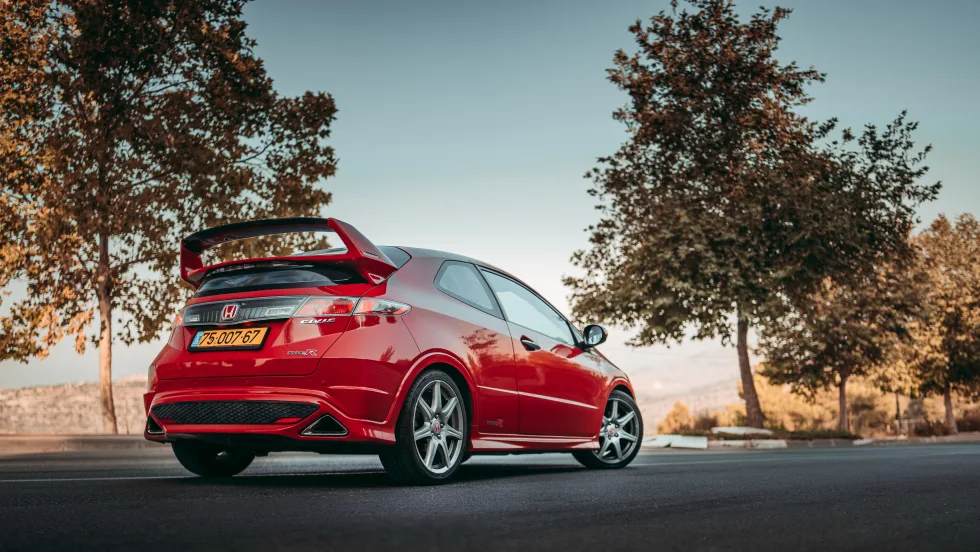
Next-Gen Hybrids in Sight
Dealerships can expect to see revamped hybrids from Honda next year as the company rolls out a new system and model lineup.
Read More →
Gem State Stores Change Hands
A larger auto group founded in the industry’s early years sold two franchises to a neighbor group that's on a growth spurt.
Read More →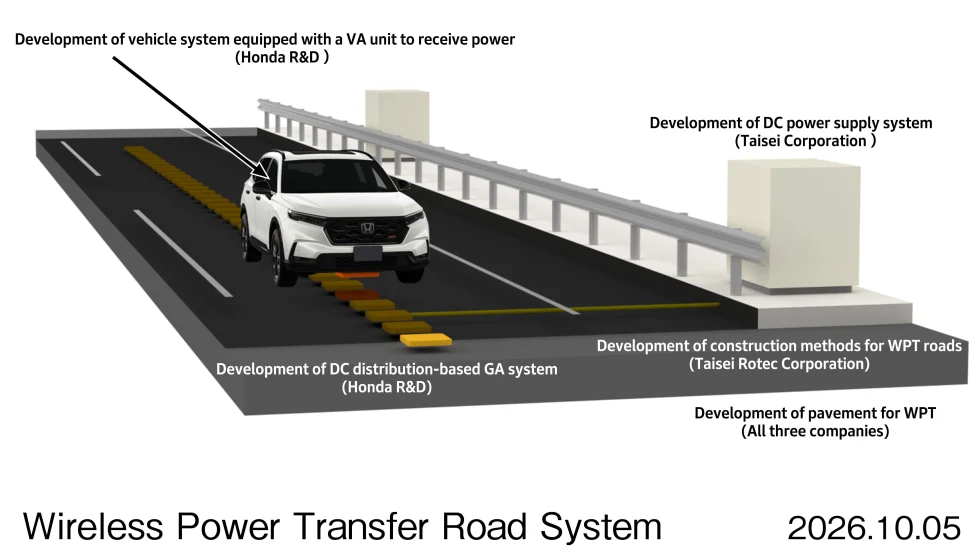
Charging In Motion
Honda has been researching wireless in-motion charging for electric vehicles since 2025, and new technology developments have put it a step closer to a final product.
Read More →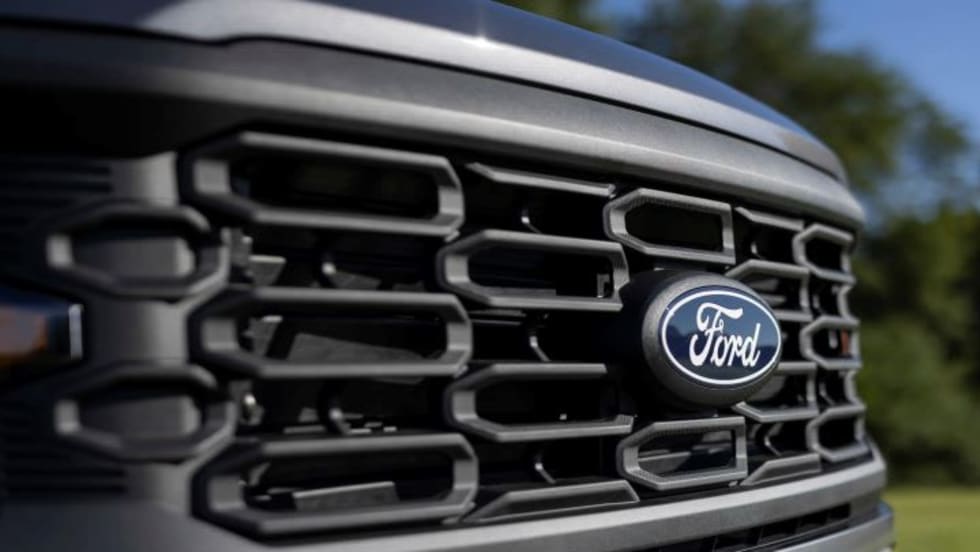
Twin Cities Stores Sell
Minnesota-based Walser Automotive Group made what it called the most significant acquisition in its history with a three-rooftop deal in Minneapolis.
Read More →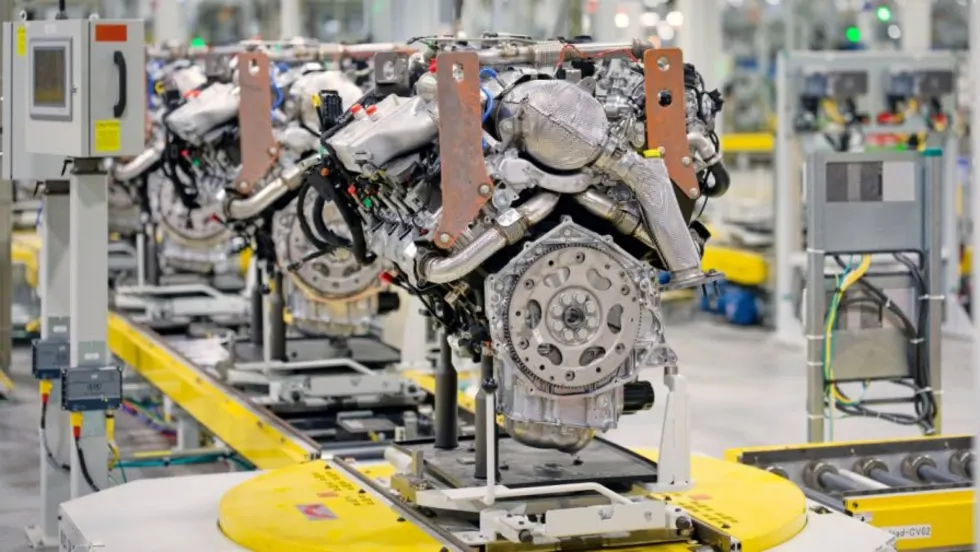
U.S. Auto Sales Still Below Prepandemic Levels
Mobility Global industry observers don’t expect the market to return to the higher volumes that became routine before Covid but to stay well below its potential.
Read More →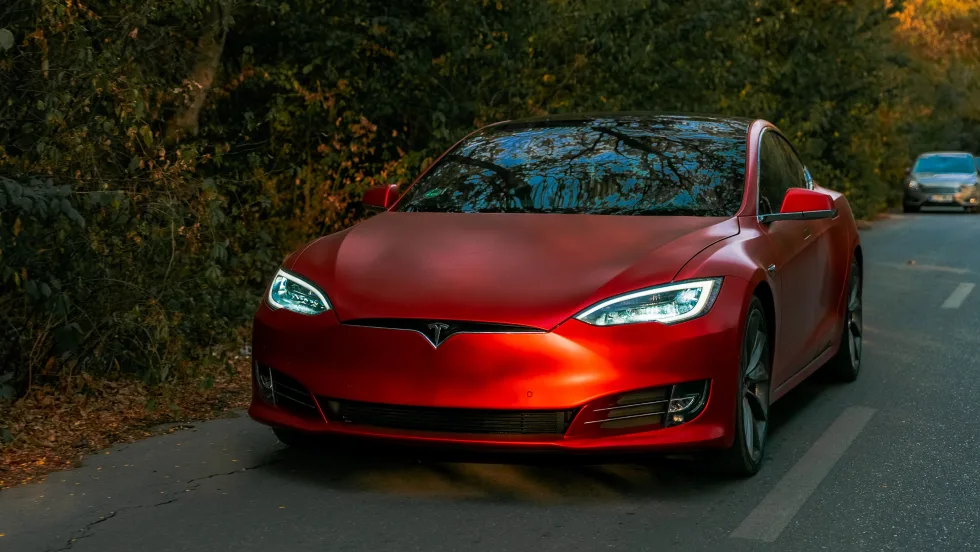
The Powertrain Shift
Electric-vehicle owners are backpedaling, according to new data, with product availability driving many to shift back to gas-powered engines.
Read More →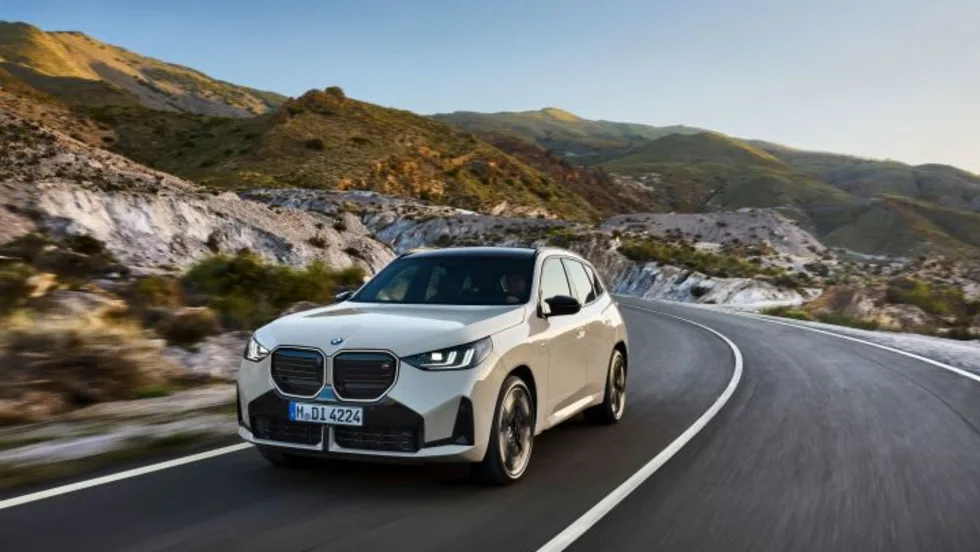
Achromatic Autos
The shades that dominate the U.S. car market don’t call attention to themselves, though grayscale may have plateaued after a 30-year upswing, research shows.
Read More →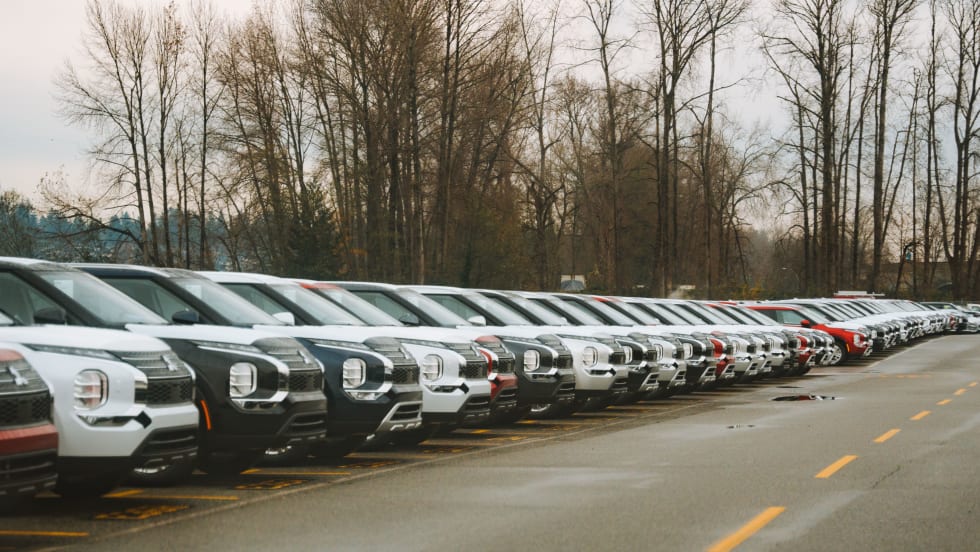
Used-Vehicle Affordability Worsens
Listing prices in August defied seasonal trends, rising above $27,000 for the second time this year.
Read More →