


Auto Buyer Budgets Keep Expanding
Q3 data find new records as consumers squeezed tighter


More auto consumers are agreeing to $1,000 or higher monthly payments, those financing used units hitting a new record in the third quarter.
Pexels/RDNE Stock Project
Auto buyers are stretching their budgets to new limits as third-quarter data show extended efforts to squeeze in both new and used vehicle purchases.
Persistent affordability challenges brought some new records in multiple metrics, including down payments and used-vehicle monthly payments, while other categories remained at extremes, Edmunds research found.
The auto data provider said down payments on vehicle purchases fell to their lowest point in about four years as consumers signed for extended loan terms to bear the cost over time. The average new-vehicle down payment for the quarter fell to $6,020, down 6% quarter-over-quarter and 9% year-over-year to its lowest level since the fourth quarter of 2021.
Extra-high monthly payments held firm for new vehicles as 19% of financed buyers agreed to $1,000 or higher terms, reflecting a record set in the second quarter, Edmunds said, while $1,000-plus used-vehicle payments reached a new high of 6%.
Meanwhile, 22% of new-auto loans spanned seven years or more, flat quarter-over-quarter but up from about 19% a year earlier, according to the company’s data. The average amount financed rose about 1% quarter-over-quarter and 5% year-over-year to $42,647.
Still, new units would appear to be consumers’ best value for now, Edmunds suggested. Among current options, though, it noted minimal difference in annual percentage rates and discounts between 2025 and 2026 units.
“… compared to the near-new market, where inventory has been constrained by lean pandemic-era sales and reduced leasing activity, new vehicles seem to have emerged as the more compelling option,” said Edmunds Head of Insights Jessica Caldwell in the third-quarter report.
“With the potential for lower APRs and tariff-related price increases yet to materialize in any meaningful way, shopping for a new vehicle may have felt like the smarter play in Q3 — and could have given the new-car market a modest boost."
Originally posted on Auto Dealer Today
More Industry
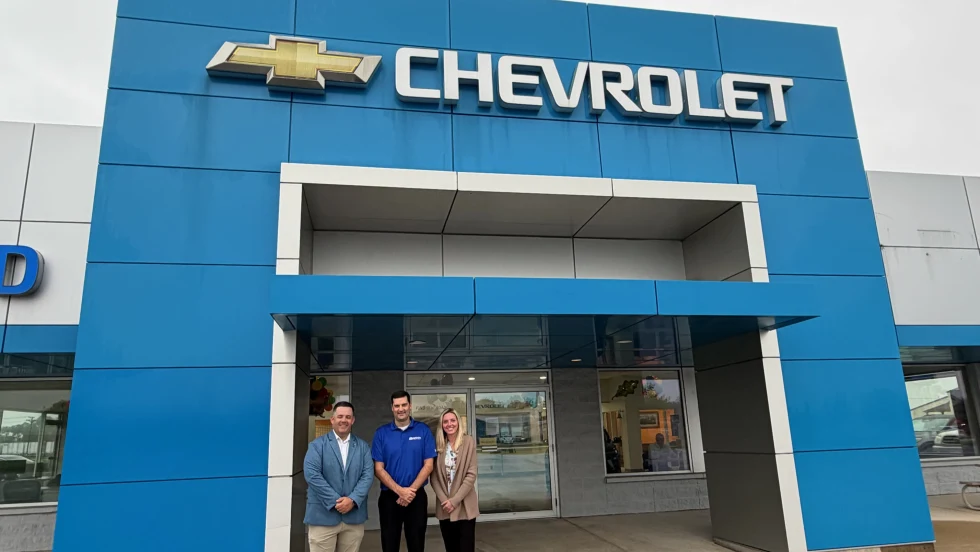
Badger State Dealership Gets New Owner
The longtime southern Wisconsin store moved from one area auto group to another, keeping the business in Dairyland.
Read More →
The Cycle of Negative Equity
Third-quarter data shows consumers still rolling over debt and stretching loan terms, raising their risk of remaining underwater.
Read More →
Charger Network Growth Slows
Despite a projected increase in public EV chargers in 2026, charging infrastructure remains a top concern for consumers as the gap between the most and least EV-friendly places remains substantial.
Read More →
Lenders, Consumers Take on More Auto Loan Risk
September records loosened credit access the most in over a decade as buyers took advantage of the conditions to afford trading, though loan applications fell.
Read More →
Next-Gen Hybrids in Sight
Dealerships can expect to see revamped hybrids from Honda next year as the company rolls out a new system and model lineup.
Read More →
Gem State Stores Change Hands
A larger auto group founded in the industry’s early years sold two franchises to a neighbor group that's on a growth spurt.
Read More →
Charging In Motion
Honda has been researching wireless in-motion charging for electric vehicles since 2025, and new technology developments have put it a step closer to a final product.
Read More →
Twin Cities Stores Sell
Minnesota-based Walser Automotive Group made what it called the most significant acquisition in its history with a three-rooftop deal in Minneapolis.
Read More →
U.S. Auto Sales Still Below Prepandemic Levels
Mobility Global industry observers don’t expect the market to return to the higher volumes that became routine before Covid but to stay well below its potential.
Read More →
The Powertrain Shift
Electric-vehicle owners are backpedaling, according to new data, with product availability driving many to shift back to gas-powered engines.
Read More →