


Auto Insurance Cost Reprieve
2025 brought consumers relief after years of rate hikes, but 2026 could bring renewed policy pain, depending on how U.S. trade policy affects prices.


If U.S. trade tariffs on imports push up the cost of automotive parts, that could in turn drive up the cost of auto insurance claims that insurers could pass on to consumers.
Pexels/Pixabay
Automotive insurance rates fell last year after several years of increases, according to data compiled by insurance comparison shopping website Insurify.
The average 2025 annual insurance cost in the U.S. fell 6% to $2,144 after a more than 40% average annual insurance cost increase from 2022 to 2024.
Insurers, back in profits last year after increasing policy rates since the pandemic, focused on adding customers, pricing policies competitively in many corners of the country, Insurify said.
Some states saw even bigger drops than the national average, including two of the biggest, California and Texas, whose average fell 8%. There were fewer accidents in those two states last year, and Texas also saw fewer vehicle thefts, trends likely helping to tamp down insurance rates for policy holders there.
This year could be a different story across the U.S., though. Insurify projects more than a half percentage point increase in average annual U.S. auto insurance cost, and federal trade policy presents a wild card.
If U.S. trade tariffs on imports push up the cost of automotive parts, that could in turn drive up the cost of auto insurance claims, increased costs insurers could transfer to policy holders in higher rates, the company said.
“If that happens, companies will likely pass those higher expenses on to policyholders — and a 1% increase could turn into 4% in 2026,” said Insurify Senior Economic Analyst Matt Brannon.
Originally posted on F&I and Showroom
More Industry
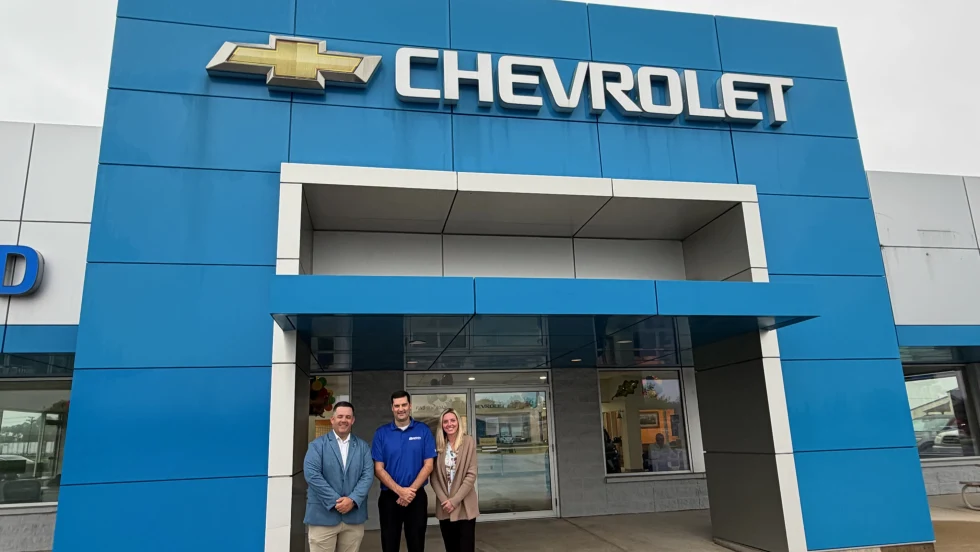
Badger State Dealership Gets New Owner
The longtime southern Wisconsin store moved from one area auto group to another, keeping the business in Dairyland.
Read More →
The Cycle of Negative Equity
Third-quarter data shows consumers still rolling over debt and stretching loan terms, raising their risk of remaining underwater.
Read More →
Charger Network Growth Slows
Despite a projected increase in public EV chargers in 2026, charging infrastructure remains a top concern for consumers as the gap between the most and least EV-friendly places remains substantial.
Read More →
Lenders, Consumers Take on More Auto Loan Risk
September records loosened credit access the most in over a decade as buyers took advantage of the conditions to afford trading, though loan applications fell.
Read More →
Next-Gen Hybrids in Sight
Dealerships can expect to see revamped hybrids from Honda next year as the company rolls out a new system and model lineup.
Read More →
Gem State Stores Change Hands
A larger auto group founded in the industry’s early years sold two franchises to a neighbor group that's on a growth spurt.
Read More →
Charging In Motion
Honda has been researching wireless in-motion charging for electric vehicles since 2025, and new technology developments have put it a step closer to a final product.
Read More →
Twin Cities Stores Sell
Minnesota-based Walser Automotive Group made what it called the most significant acquisition in its history with a three-rooftop deal in Minneapolis.
Read More →
U.S. Auto Sales Still Below Prepandemic Levels
Mobility Global industry observers don’t expect the market to return to the higher volumes that became routine before Covid but to stay well below its potential.
Read More →
The Powertrain Shift
Electric-vehicle owners are backpedaling, according to new data, with product availability driving many to shift back to gas-powered engines.
Read More →