


Automakers Drive Up Spending on EV and Battery Development
Automakers will spend nearly $1.2 trillion through 2030 to develop and produce millions of electric vehicles, EV batteries and raw materials.

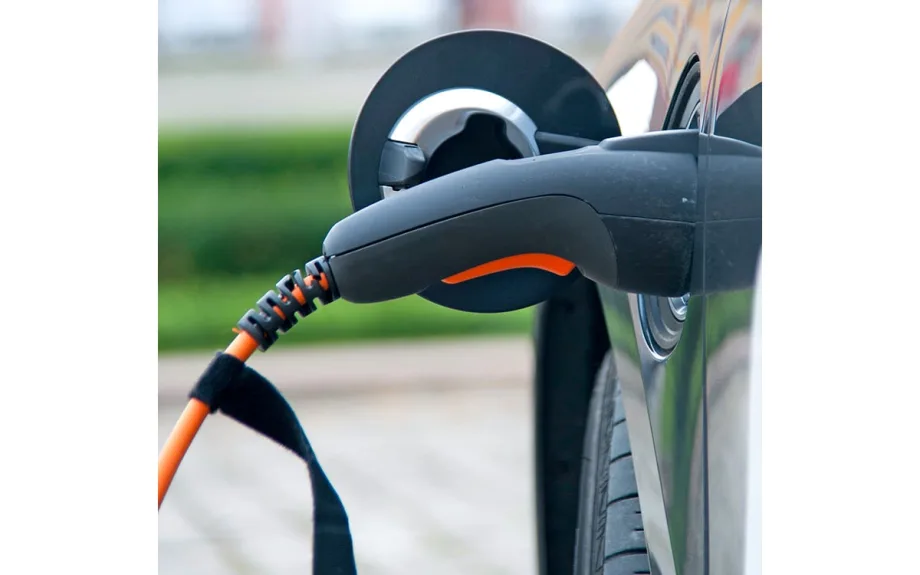
Automakers will spend nearly $1.2 trillion through 2030 to develop and produce millions of electric vehicles, EV batteries and raw materials.
IMAGE: Getty Images
The world's top automakers plan to spend nearly $1.2 trillion through 2030 to develop and produce millions of electric vehicles (EVs) as well as EV batteries and raw materials, according to a Reuters analysis of public data and projections released by OEMs.
Automakers have forecast plans to build 54 million battery electric vehicles in 2030, representing over 50% of total vehicle production, according to the analysis.
As more EVs are made, automakers and their battery partners also plan to install 5.8 terawatt-hours of battery production capacity by 2030, according to data from Benchmark Mineral Intelligence and manufacturers.
Tesla leads the charge toward EVs, with Chief Executive Elon Musk outlining a plan to build 20 million EVs in 2030, requiring around 3 terawatt hours of batteries. Musk reports the automaker is working on a smaller EV vehicle platform that will cost half as much as the company’s Model 3 or Model Y.
The Reuters analysis forecasts that Tesla’s forecasted growth, a 13-fold increase over the 1.5 million vehicles the company is expected to sell in 2021, will cost hundreds of billions of dollars.
Volkswagen also has ambitious plans to build out its global EV portfolio, add new battery giga factories in Europe and North America, and lock up supplies of key materials.
Toyota Motor Corp. will invest $70 billion to electrify vehicles and produce more batteries. The Japanese automaker expects to sell at least 3.5 million battery electric models (BEVs) in 2030. The automaker plans to sell at least 30 different BEVs and expects to transition the entire Lexus range to battery electric by 2030.
Ford Motor Co. plans to spend an estimated $50 billion on EVs and plans at least 240 gigawatt-hours of battery capacity with its partners. The automaker aims to produce around 3 million BEVs in 2030.
Mercedes-Benz has set aside $47 billion for EV development and production, nearly two-thirds of which will boost its global battery capacity with partners to over 200 gigawatt-hours.
BMW, Stellantis, and General Motors have each earmarked around $35 billion on EVs and batteries. Stellantis has planned 400 gigawatt-hours of capacity with partners by 2030, including four plants in North America.
Originally posted on Auto Dealer Today
More Industry
Charger Network Growth Slows
Despite a projected increase in public EV chargers in 2026, charging infrastructure remains a top concern for consumers as the gap between the most and least EV-friendly places remains substantial.
Read More →
Lenders, Consumers Take on More Auto Loan Risk
September records loosened credit access the most in over a decade as buyers took advantage of the conditions to afford trading, though loan applications fell.
Read More →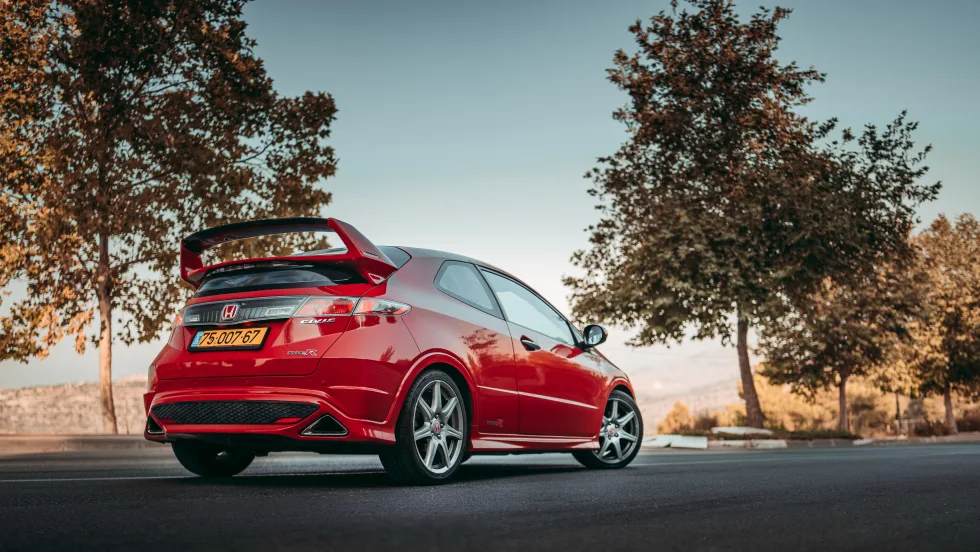
Next-Gen Hybrids in Sight
Dealerships can expect to see revamped hybrids from Honda next year as the company rolls out a new system and model lineup.
Read More →
Gem State Stores Change Hands
A larger auto group founded in the industry’s early years sold two franchises to a neighbor group that's on a growth spurt.
Read More →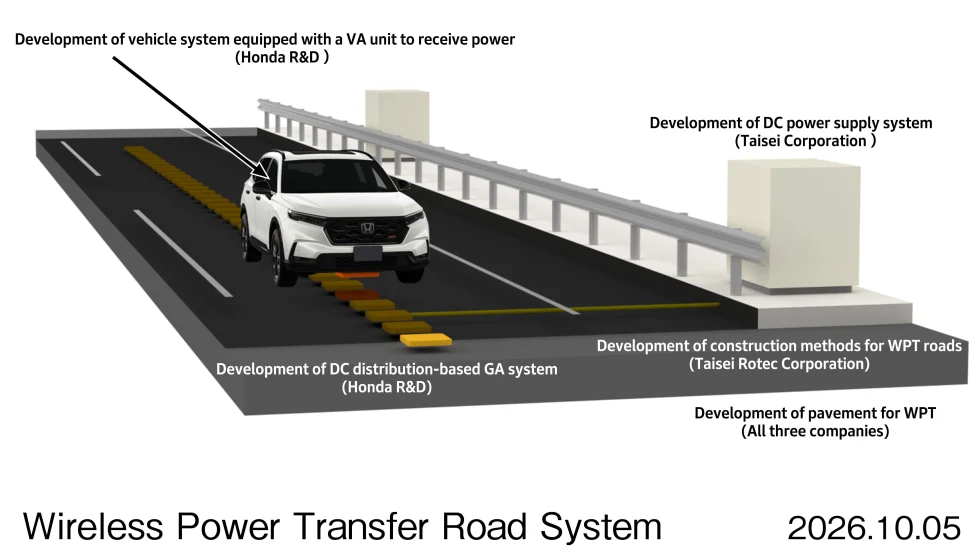
Charging In Motion
Honda has been researching wireless in-motion charging for electric vehicles since 2025, and new technology developments have put it a step closer to a final product.
Read More →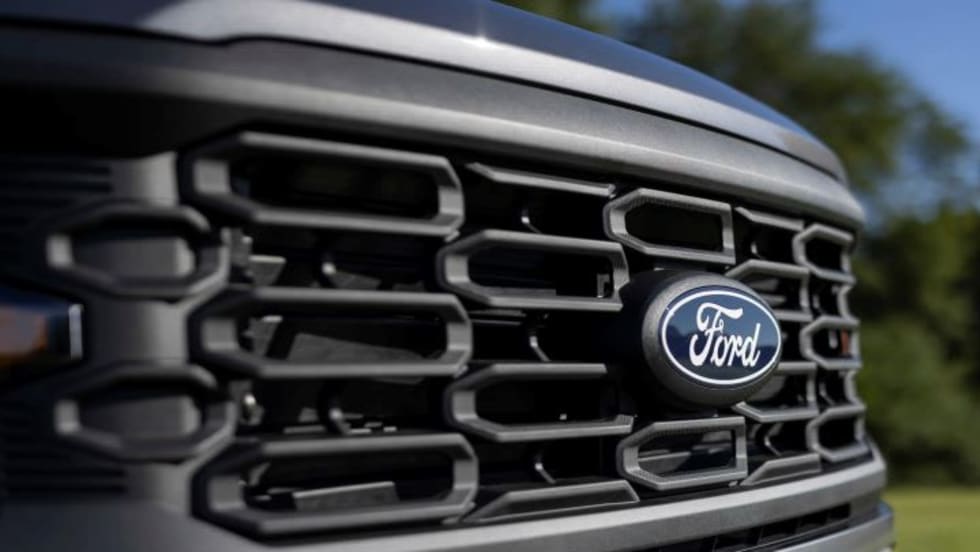
Twin Cities Stores Sell
Minnesota-based Walser Automotive Group made what it called the most significant acquisition in its history with a three-rooftop deal in Minneapolis.
Read More →
U.S. Auto Sales Still Below Prepandemic Levels
Mobility Global industry observers don’t expect the market to return to the higher volumes that became routine before Covid but to stay well below its potential.
Read More →
The Powertrain Shift
Electric-vehicle owners are backpedaling, according to new data, with product availability driving many to shift back to gas-powered engines.
Read More →
Achromatic Autos
The shades that dominate the U.S. car market don’t call attention to themselves, though grayscale may have plateaued after a 30-year upswing, research shows.
Read More →
Used-Vehicle Affordability Worsens
Listing prices in August defied seasonal trends, rising above $27,000 for the second time this year.
Read More →