


Automatic Braking Systems Not Surefire
AAA crash tests show they don’t do the job in every scenario.


AAA says backing drivers should also use backup cameras and other sensors, exercising particular caution when their view is blocked.
IMAGE: Pexels/Karolina Grabowska
Tests by AAA show that reverse automatic emergency braking shouldn’t be a driver’s only cautionary measure when backing up.
The motor club group conducted crash tests with four small- to medium-size 2023 sports-utility vehicle models featuring the braking technology with rear cross-traffic mitigation, which is designed to mitigate or prevent collisions with other vehicles, some systems also detecting other obstacles. It chose SUVs due to that vehicle type’s popularity.
The AAA tests examined how the systems operate in two scenarios: when a vehicle backs out of a parking space into an oncoming vehicle’s path as an adjacent parked vehicle blocks the driver’s seat view, and with a child pedestrian standing behind the backing vehicle.
The research found that the technology applied the brakes in 65% of tests and prevented a collision in just 2.5% of tests involving a crossing vehicle. In the tests involving a stationary child behind the backing vehicle, it applied the brakes 75% of the time and prevented collision in half the tests.
Test models were from the Hyundai, Lexus, Mazda and Volkswagen lines.
Based on the results, AAA concluded that drivers shouldn’t solely rely on AEB systems when backing, instead also using backup cameras and other sensors, exercising particular caution when their view is blocked to give the AEB system more time to detect obstacles and brake. It also advised vehicle owners to ensure the technology is in good working condition.
AAA said U.S. testing standards for the technology are “lacking” and urged that more be done to ensure they work as intended.
Originally posted on Auto Dealer Today
More Product & Technology

Set Yourself Apart
Product providers can follow the lead of industry cohorts in the practice of leveraging their brands through private labeling, pumping new energy into their platforms to stand out from competitors.
Read More →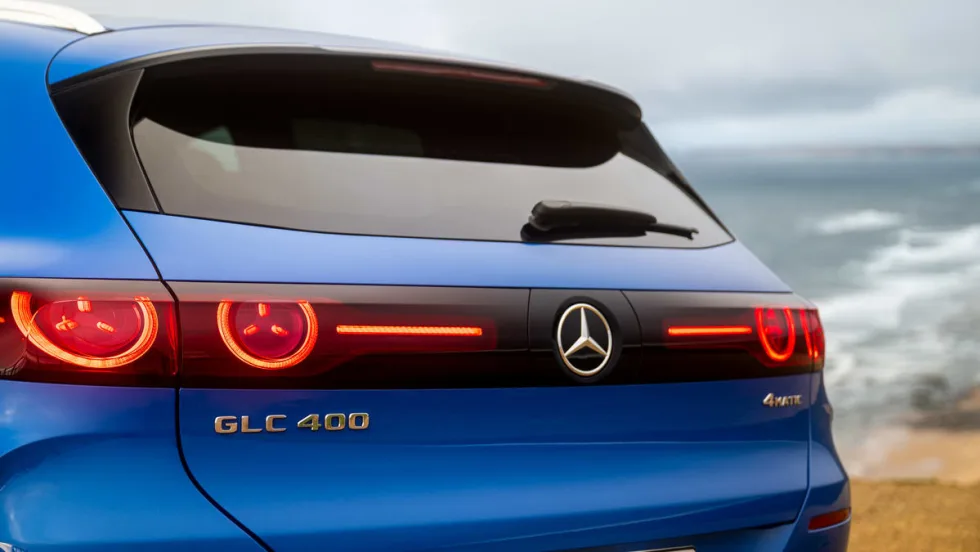
EVs Excel at Longevity
Research finds that after a certain mileage point, they outlast gas and diesel vehicles despite being driven more.
Read More →
Integrating AI Into Your Admin System
It’s important for finance-and insurance administrators to build the technology into their existing systems instead of bolting it on.
Read More →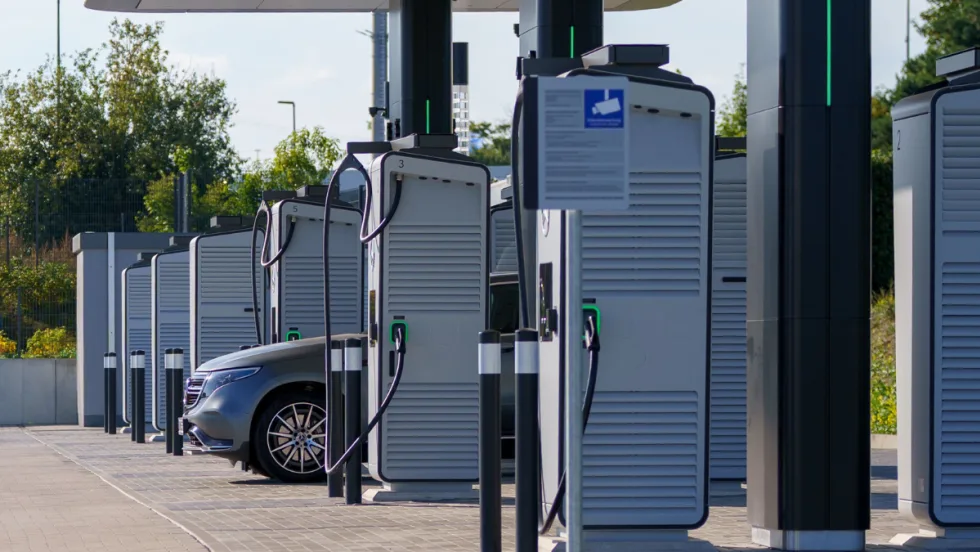
Public EV Charging Improves
The infrastructure buildout in the U.S. is providing more availability and safety at a better cost, according to the latest EV experience study by JD Power.
Read More →
AI in the Dealership
A Cox Automotive poll shows most dealers use it, but only some have found the smartest ways to adapt the surging technological sensation.
Read More →
AAA Honors Service and Repair Facilities
Three automotive dealerships made AAA's Service Providers of Excellence and Best in Repair list this year.
Read More →
EFG Launches Product Admin Platform
The company says the offering is designed to empower administrators, service contract providers, and product marketers to expand automotive and power-sports capabilities.
Read More →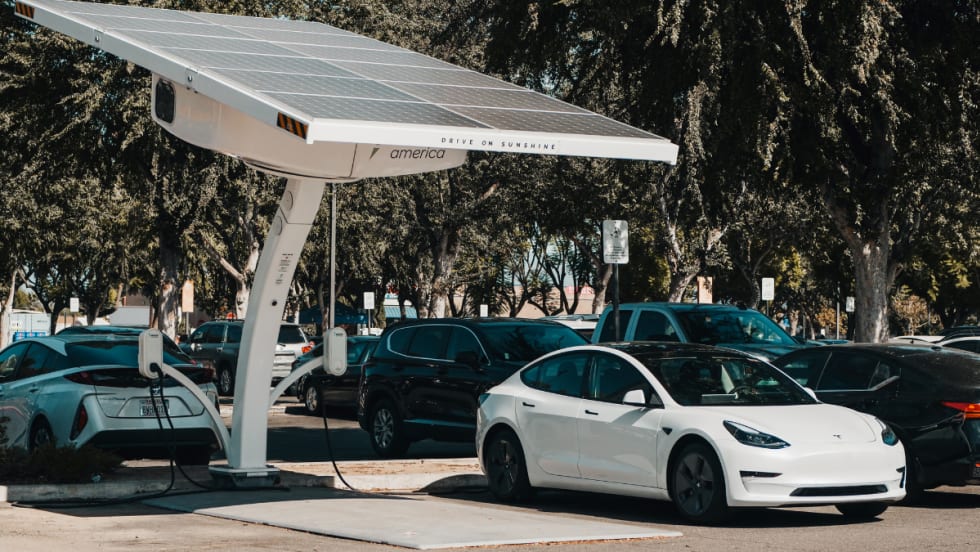
Optimized Charging Could Reduce Costs
According to an Alliance for Automotive Innovation analysis, optimized EV charging could cut costs for drivers and improve grid infrastructure - potential adoption incentives.
Read More →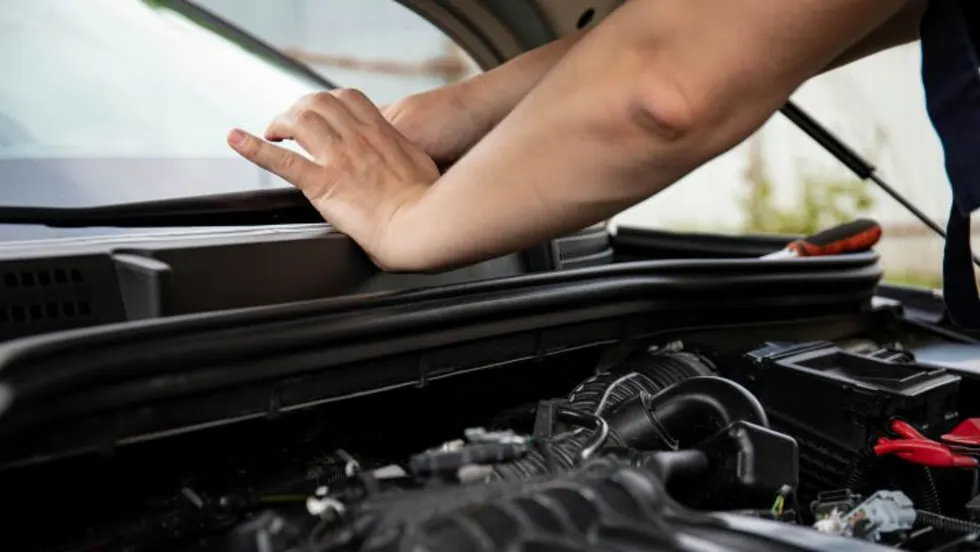
From Inspection to Impact
Data, video and artificial intelligence are driving service performance today, when inspection performance is closely tied to key business outcomes.
Read More →
Car Karaoke Gets Official Platform
The in-vehicle karaoke and sing-along platform by Samsung arm is meant to add traveling enjoyment safely in technology that automakers can tailor to their specific needs.
Read More →