


Average New-Vehicle Price Drops
Manufacturers respond to market conditions, and Tesla price cuts bring down luxury ATPs.

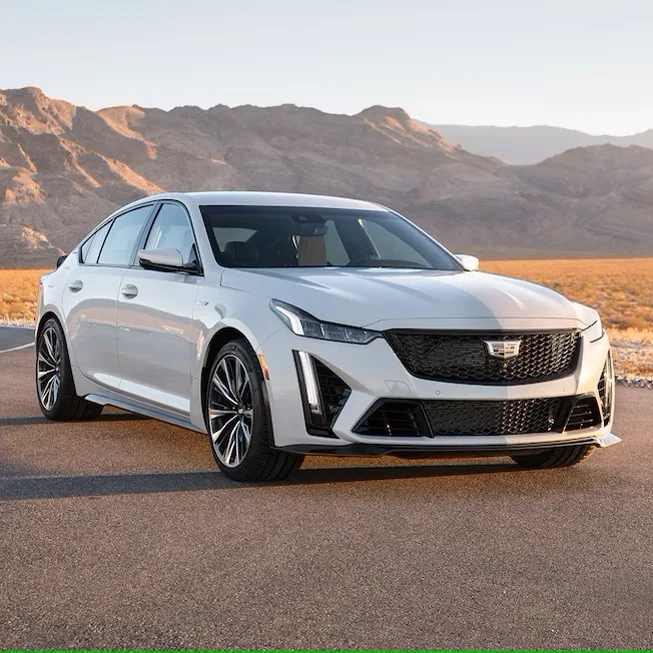
General Motors cut incentives on its four big brands in September, as its inventory is well off those of Detroit rivals Ford and Stellantis. All are facing strikes that could affect production.
IMAGE: General Motors
New-vehicle prices fell in September as inventory continued to swell and consumers get squeezed by high interest rates.
The average U.S. transaction price dropped 0.7% year-over-year to $47,899, down 3.4% from the peak of almost $50,000 reached in January, Cox Automotive agency Kelley Blue Book said. That was down 0.5% month-over-month.
“Dealers and automakers are feeling price pressure, and with auto loan rates at record highs and growing inventory levels, new-vehicle prices continue to ease,” said Cox Research Manager Rebecca Rydzewski. “Assuming the (United Auto Workers) strike is short-lived, current inventory levels are healthy enough to prevent any significant impact on consumer prices.”
Luxury prices were also down, led by price cuts this year by U.S. electric-vehicle market leader Tesla, Cox said. The average price fell 6.2% year-over-year to $62,342, which is nearly 7% below where it started the year. It said Tesla’s average transaction price was down about 25% year-over-year, balancing out price increases by many other luxury carmakers.
The average nonluxury price was about flat month-over-month at $44,626, up just 1% year-over-year, Cox said.
Bucking a trend of increased incentives this year with revived inventories, General Motors cut incentives on its four big brands in September, as its inventory is well off those of Detroit rivals Ford and Stellantis, which both raised incentives last month, Cox said. All are facing strikes by the United Auto Workers that could affect production over the long haul. The average industry incentive reached $2,368, a 24-month peak.
Originally posted on Auto Dealer Today
More Industry

Achromatic Autos
The shades that dominate the U.S. car market don’t call attention to themselves, though grayscale may have plateaued after a 30-year upswing, research shows.
Read More →
Used-Vehicle Affordability Worsens
Listing prices in August defied seasonal trends, rising above $27,000 for the second time this year.
Read More →
First-Half Dealership Deals Up
Buy-sell activity shows that acquirers are looking for value and scale as many retailers seek to leave an increasingly competitive and complex market, Kerrigan Advisors reports.
Read More →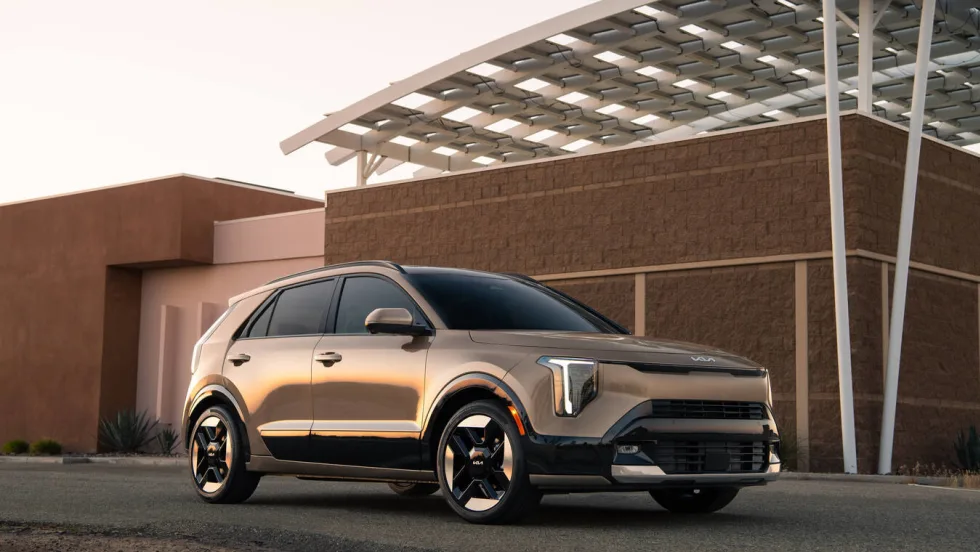
Kia Closes Out Summer With a Bang
Its U.S. subsidiary broke multiple records in August, in part due to a surge of demand for hybrids models.
Read More →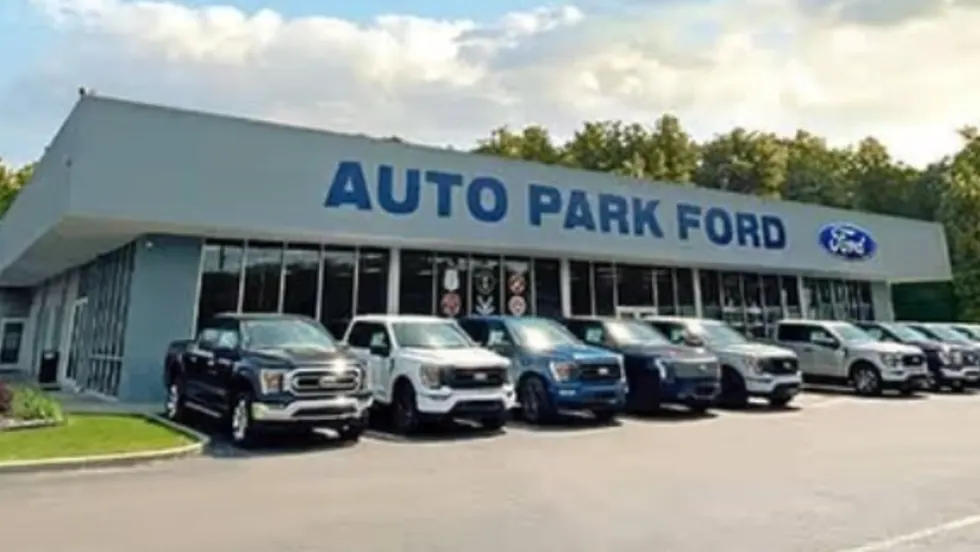
Indiana Dealership Changes Hands
A 30-year-old Ford dealership in Indiana has a new owner and will soon be undergoing renovations to meet manufacturer requirements.
Read More →
Texas Dealership No Longer in the Family
The Ford store, a longtime cornerstone of the Houston market, is now part of one of the fastest-growing U.S. auto groups.
Read More →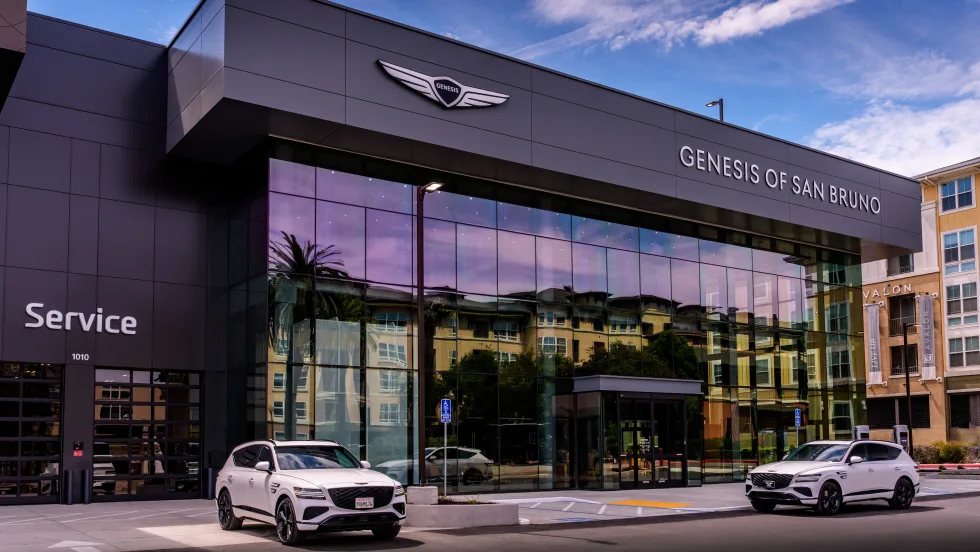
Genesis Grows California Presence
The Cardinale Automotive Group opened its third Genesis rooftop in the Golden State, Genesis of San Bruno, a stand-alone dealership serving the San Francisco Bay Area.
Read More →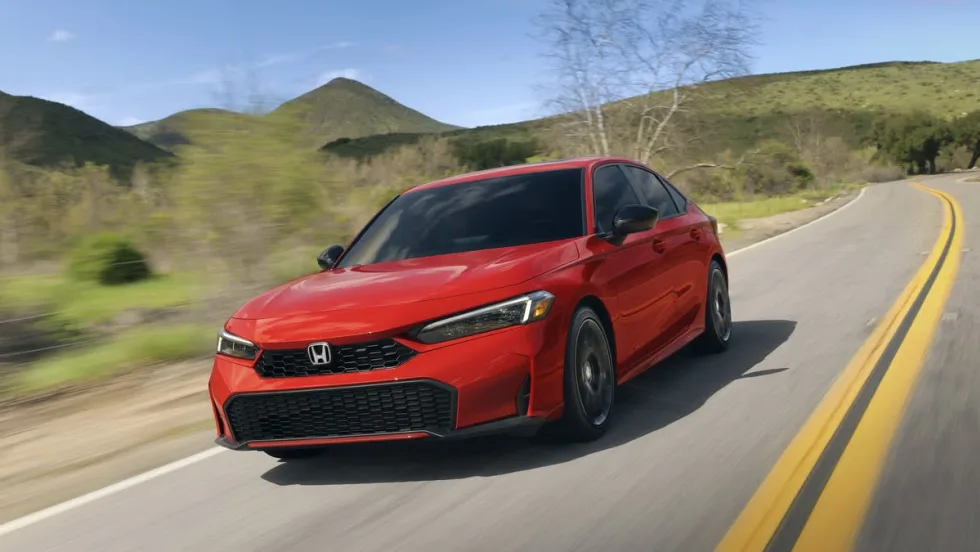
August Auto Sales a Mixed Bag
An early forecast shows strong business despite consumer hurdles, and hybrids are a big piece of their affordability coping strategy.
Read More →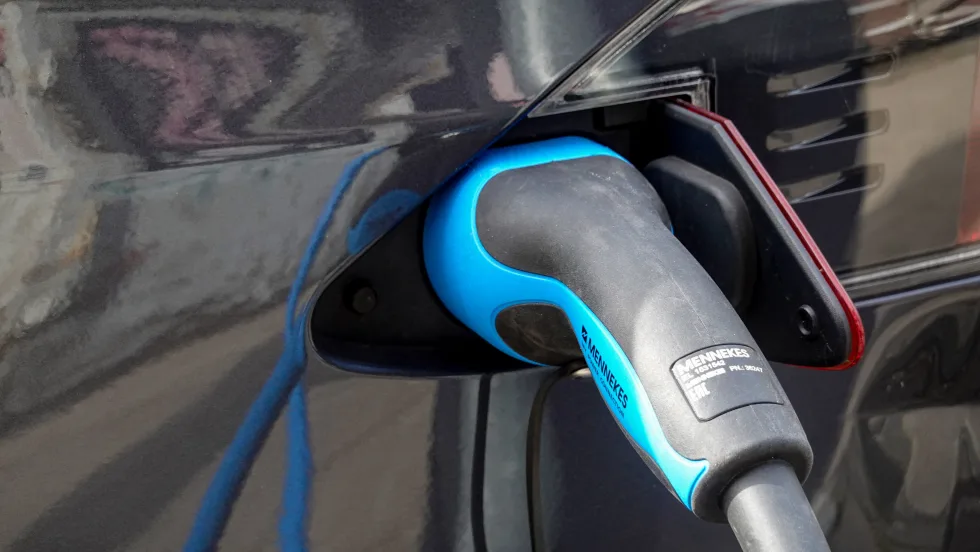
EV Market Humming Along
July sales show steady growth as the segment stabilizes from last year’s artificial surge following pullback of federal support.
Read More →
Auto Loan Delinquency Rates Stabilize
Auto loans are a main driver of nonmortgage consumer debt, but delinquency rates stabilized in the second quarter across all credit risk tiers.
Read More →