


Bezos-backed Rivian’s Meteoric Rise Represents a Fundamental Change in the Valuation of Automotive Stocks
The Rivian value debate demonstrates how investors can be split into two categories: those that make decisions based on recognizing future themes and those that invest based on traditional financial performance metrics

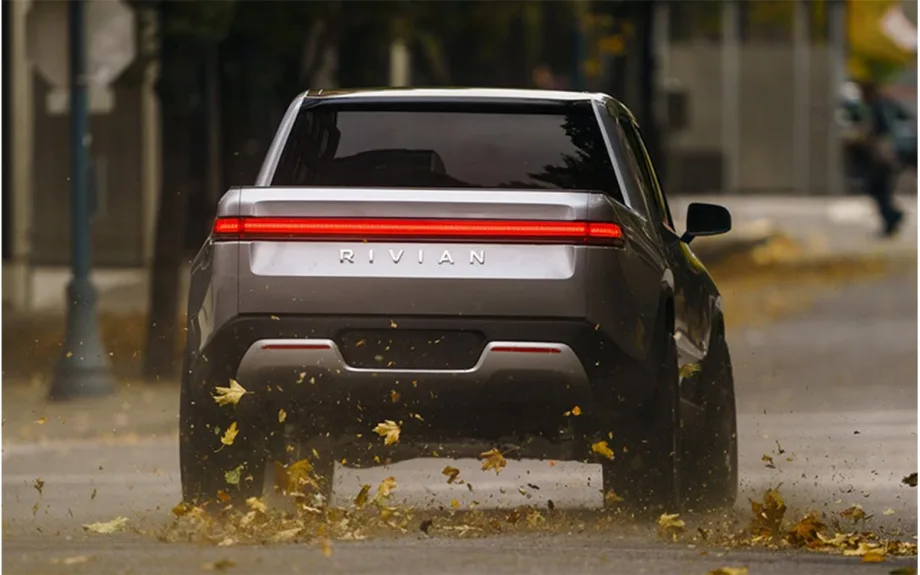
The Rivian value debate demonstrates how investors can be split into two categories: those that make decisions based on recognizing future themes and those that invest based on traditional financial performance metrics
GLOBAL DATA – Following the news that Rivian’s market cap climbed to more than $150 billion after being floated on the NYSE; Daniel Clarke, Thematic Analyst at GlobalData, a leading data and analytics company offers his view:
“It is a little absurd that Rivian has become the third-largest automaker by market cap without actually making any revenue. However, the need for EVs is both obvious and immediate. With Bezos’s backing, investors will believe that the future scale-up required to dominate the industry is possible. It is important to note that the concept of value in the stock market has shifted significantly in recent years and is increasingly contested. More traditional investors scorn Tesla and Rivian’s jaw-dropping market caps because of the huge gaps between their current revenue and their valuations. However, modern investors are betting on the future and considering how they expect these companies or technologies to dominate the industry when calculating their current value. Charismatic tech founders that can communicate a simple and obvious vision of the future will draw in the most capital from retail investors. This is true of Tesla, and it goes for Rivian, too - as well as founders in any industry where retail investors can easily understand the need for the core technology.”
Investment banks and retail investors both understand that electric vehicles (EVs) are the future of the automotive industry; and Jeff Bezos, a shareholder in both Amazon and Rivian, recognizes that Amazon must transition its delivery platforms to EVs. His backing of Rivian – which has signed a deal to supply Amazon with 100,000 vehicles - allows him to profit from both ventures.
Originally posted on Auto Dealer Today
More Industry
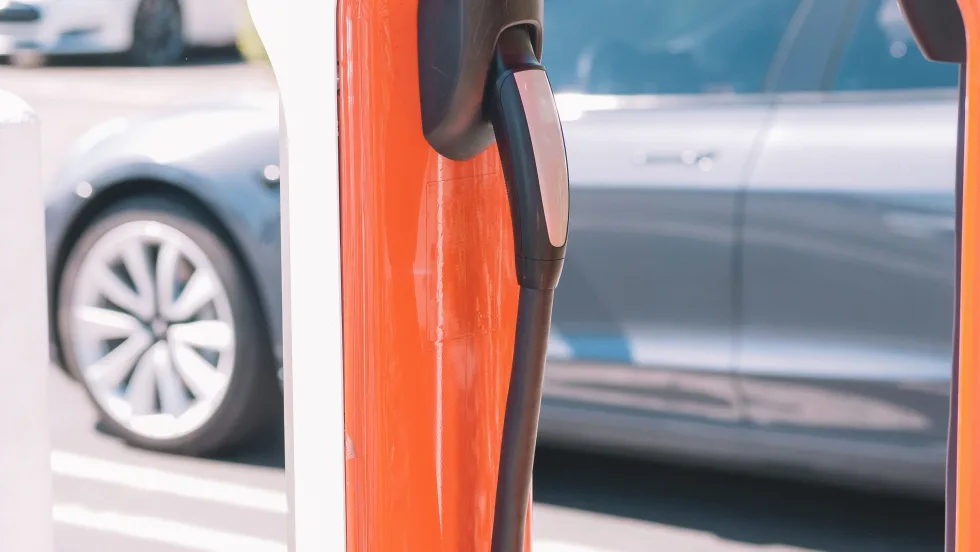
Charger Network Growth Slows
Despite a projected increase in public EV chargers in 2026, charging infrastructure remains a top concern for consumers as the gap between the most and least EV-friendly places remains substantial.
Read More →
Lenders, Consumers Take on More Auto Loan Risk
September records loosened credit access the most in over a decade as buyers took advantage of the conditions to afford trading, though loan applications fell.
Read More →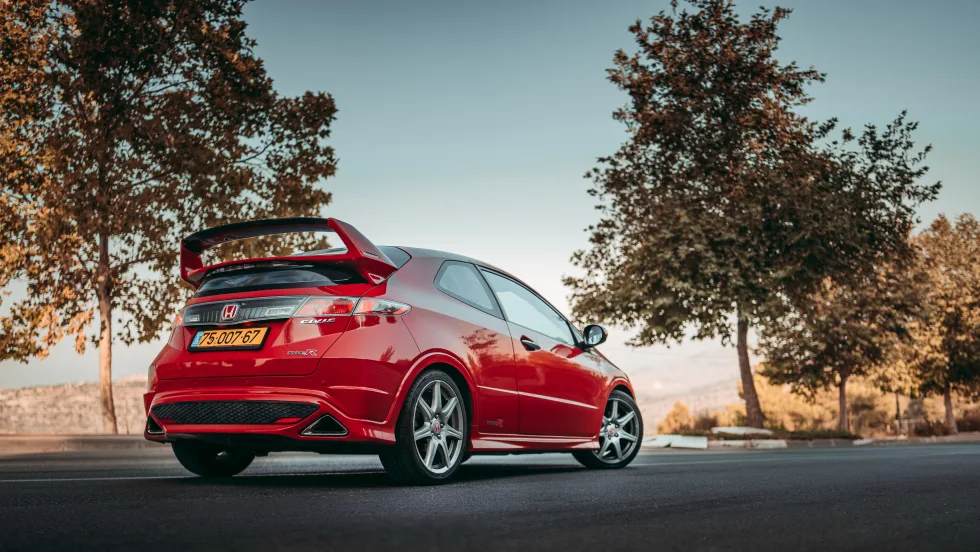
Next-Gen Hybrids in Sight
Dealerships can expect to see revamped hybrids from Honda next year as the company rolls out a new system and model lineup.
Read More →
Gem State Stores Change Hands
A larger auto group founded in the industry’s early years sold two franchises to a neighbor group that's on a growth spurt.
Read More →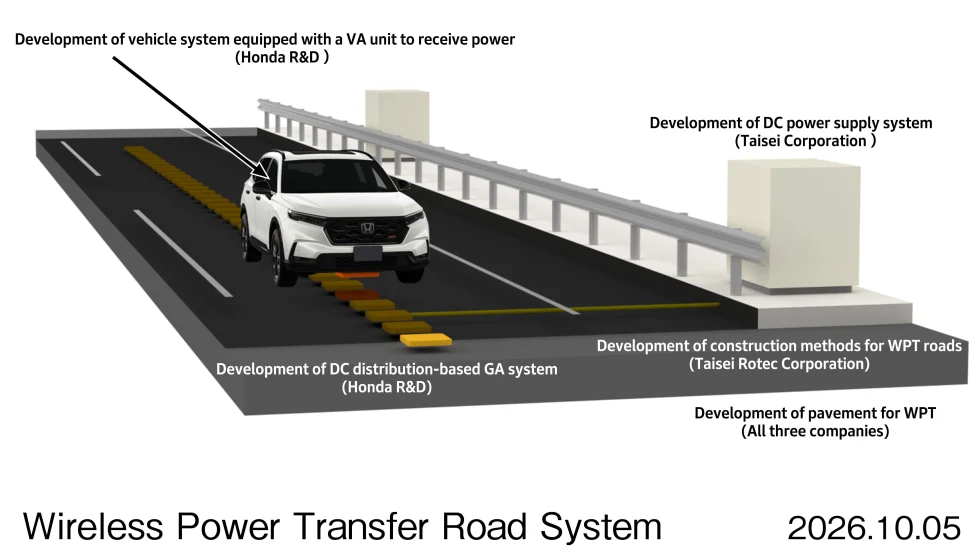
Charging In Motion
Honda has been researching wireless in-motion charging for electric vehicles since 2025, and new technology developments have put it a step closer to a final product.
Read More →
Twin Cities Stores Sell
Minnesota-based Walser Automotive Group made what it called the most significant acquisition in its history with a three-rooftop deal in Minneapolis.
Read More →
U.S. Auto Sales Still Below Prepandemic Levels
Mobility Global industry observers don’t expect the market to return to the higher volumes that became routine before Covid but to stay well below its potential.
Read More →
The Powertrain Shift
Electric-vehicle owners are backpedaling, according to new data, with product availability driving many to shift back to gas-powered engines.
Read More →
Achromatic Autos
The shades that dominate the U.S. car market don’t call attention to themselves, though grayscale may have plateaued after a 30-year upswing, research shows.
Read More →
Used-Vehicle Affordability Worsens
Listing prices in August defied seasonal trends, rising above $27,000 for the second time this year.
Read More →