


Bill to Lower Use of EV Battery Minerals from Foreign Sources
The Intergovernmental Critical Minerals Task Force Act aims to boost domestic mining, processing, refining, reusing, and recycling of critical minerals.

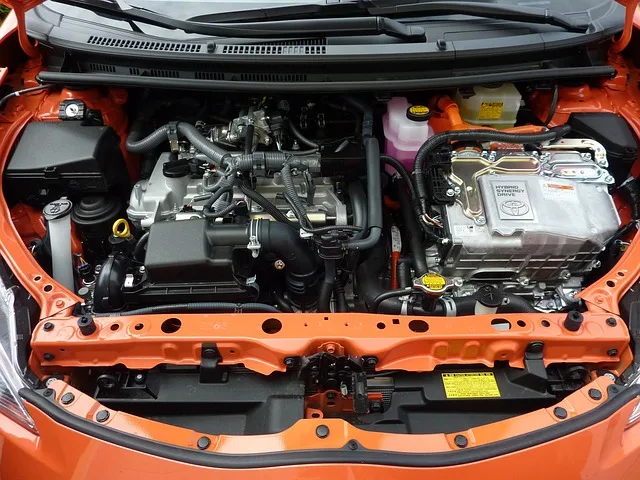
U.S. manufacturing and global economic competitiveness depends on reliable access to minerals for EV batteries.
Davgood Kirshot, Pixabay
Sen. Gary Peters introduced legislation to reduce the nation's reliance on foreign adversaries, especially China, for the critical minerals used in electric vehicle (EV) batteries and other technologies.
The Intergovernmental Critical Minerals Task Force Act, as the bipartisan legislation is called, would require the Office of Management and Budget to create a task force and appoint representatives from federal agencies to consult with state, local and tribal governments.
According to a press release, the group would be tasked with identifying new opportunities for domestic mining, processing, refining, reusing, and recycling of critical minerals, and how to best tackle national security threats related to America's critical mineral supply chains.
The bill mandates the task force to publish a report on its findings for Congress.
Peters noted that U.S. manufacturing and global economic competitiveness depends on reliable access to minerals. The Michigan Democrat who chairs the Homeland Security and Governmental Affairs Committee emphasized in a statement that “the nation’s dependence on adversarial nations like China for critical minerals poses serious national security and economic threats.”
Sen. Peters stressed that the bill would strengthen the domestic critical minerals supply chain, create well-paying jobs, and keep the U.S. manufacturing sector competitive globally.
Currently, China dominates the global market for processing and refining crucial EV battery materials like lithium and cobalt, making access to battery materials a growing concern for automakers and their suppliers.
The Inflation Reduction Act’s tax credit for new EVs is also tied to domestic sourcing of critical minerals. There is a $3,750 tax credit for EVs with at least 40% of the value of the battery’s critical minerals were extracted or processed:
In the U.S.
In a country where the U.S. has a free-trade agreement, or
From materials that were recycled in North America.
Another $3,750 is available if at least half of the value of the EV’s battery components are made or assembled in North America, notes Automotive News.
The percentages rise gradually and hit a peak of 80% in 2027 for minerals and 100% in 2029 for battery components.
From 2024, cars containing battery parts made by "foreign entities of concern," including Chinese-controlled companies, won't qualify for credits. That disqualifier extends to minerals in 2025.
Originally posted on Auto Dealer Today
More Product & Technology

Set Yourself Apart
Product providers can follow the lead of industry cohorts in the practice of leveraging their brands through private labeling, pumping new energy into their platforms to stand out from competitors.
Read More →
EVs Excel at Longevity
Research finds that after a certain mileage point, they outlast gas and diesel vehicles despite being driven more.
Read More →
Integrating AI Into Your Admin System
It’s important for finance-and insurance administrators to build the technology into their existing systems instead of bolting it on.
Read More →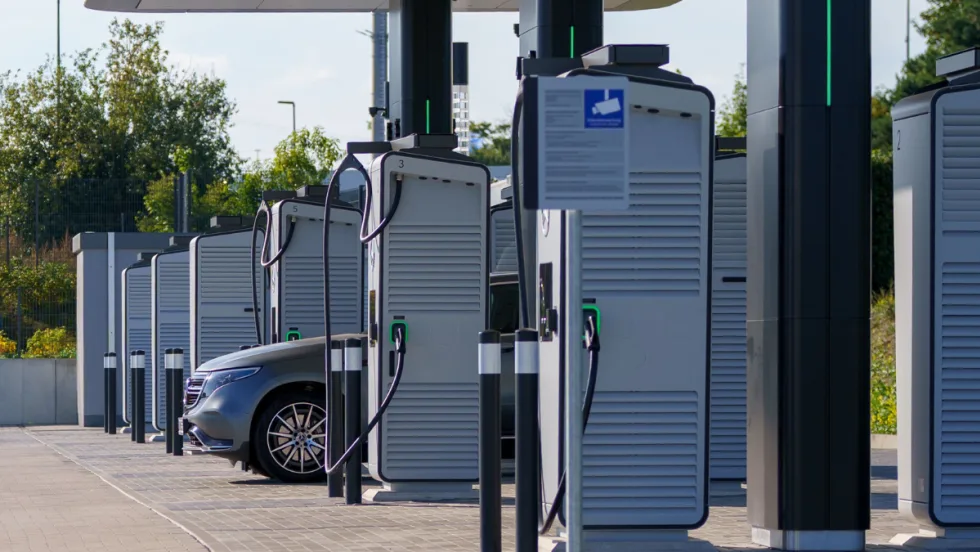
Public EV Charging Improves
The infrastructure buildout in the U.S. is providing more availability and safety at a better cost, according to the latest EV experience study by JD Power.
Read More →
AI in the Dealership
A Cox Automotive poll shows most dealers use it, but only some have found the smartest ways to adapt the surging technological sensation.
Read More →
AAA Honors Service and Repair Facilities
Three automotive dealerships made AAA's Service Providers of Excellence and Best in Repair list this year.
Read More →
EFG Launches Product Admin Platform
The company says the offering is designed to empower administrators, service contract providers, and product marketers to expand automotive and power-sports capabilities.
Read More →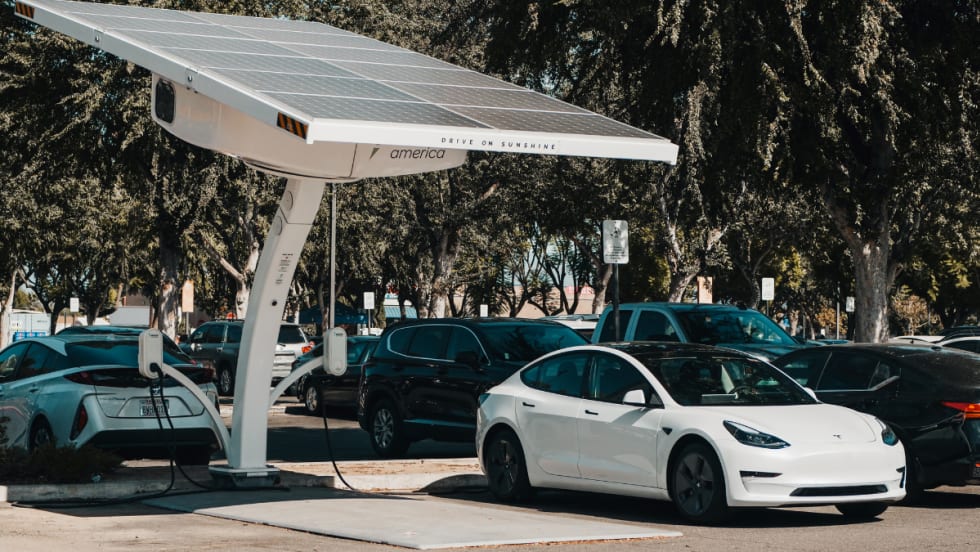
Optimized Charging Could Reduce Costs
According to an Alliance for Automotive Innovation analysis, optimized EV charging could cut costs for drivers and improve grid infrastructure - potential adoption incentives.
Read More →
From Inspection to Impact
Data, video and artificial intelligence are driving service performance today, when inspection performance is closely tied to key business outcomes.
Read More →
Car Karaoke Gets Official Platform
The in-vehicle karaoke and sing-along platform by Samsung arm is meant to add traveling enjoyment safely in technology that automakers can tailor to their specific needs.
Read More →