


BMW Keeps U.S. Luxury-Vehicle Sales Lead as German Brands Boost Discounts

Bayerische Motoren Werke AG’s BMW brand topped Daimler AG’s Mercedes-Benz and other luxury auto makes in the U.S. last month, widening its lead for 2011 as the European automakers boosted discounts.
BMW’s U.S. deliveries, helped by sales of sport-utility vehicles and the new 5-Series sedan, rose 16 percent from a year earlier to 20,651, the Munich-based automaker said yesterday in a statement. Deliveries for the first five months of the year rose 13 percent to 92,068 vehicles, to lead Mercedes’ 90,274 sales and the 77,237 deliveries by Toyota Motor Corp’s Lexus, reported Bloomberg.
“BMW and Mercedes-Benz clearly will be on a photo finish for the rest of the year,” Jesse Toprak, vice president of industry trends at TrueCar.com in Santa Monica, California, said in a telephone interview. “Lexus, for the first time in many years, is clearly out of the running for the top spot.”
Mercedes’ discounts rose by 27 percent per vehicle in May and BMW increased its incentives by 6.7 percent, while discounts on Lexus models fell 51 percent, according to Truecar.
Lexus, based in Toyota City, Japan, has been the top- selling luxury auto brand in the U.S. on an annual basis for the past 11 years. Its lead over BMW narrowed to 9,216 last year, less than half the 19,473 gap in 2009. Mercedes finished in third place last year. Lexus sales last month tumbled 45 percent to 12,305, the company said in a statement.
“It would appear Lexus has suffered from a lack of supply,” Jim O’Donnell, head of BMW’s U.S. sales operations, said in an interview. “That’s unfortunate, but it’s one of those things.”
U.S. sales of BMW’s 5-Series models rose 84 percent last month when X3 SUV deliveries more than tripled to 2,350, the company said.
U.S. dealers sold 18,886 Mercedes-Benz cars and SUVs last month, 1.8 percent more than a year earlier, Stuttgart, Germany- based Daimler said in a statement.
The results exclude Daimler’s Sprinter vans and Smart cars and BMW’s Mini brand, which aren’t luxury vehicles.
General Motors Co.’s Cadillac luxury division’s sales fell 5.7 percent to 11,623 last month, as CTS sales rose 23 percent. Sales of the STS and DTS sedans, production of which ended this year, fell 68 percent and 34 percent, respectively.
Fleet sales fell 44 percent as GM tries to wean itself off such sales, said Kurt McNeil, Cadillac’s vice president of sales. Cadillac sold about 15 percent of its models to fleet buyers in May and aims to reduce that to about 10 percent by the end of the year, Todd Davis, a spokesman, said in an e-mail.
“A lot of that we drove with DTS and STS winding out of the portfolio,” McNeil said of the fleet-sales decline in a telephone interview yesterday. “The challenge is to just stay pure with our new products, which we are completely committed to doing.”
Nissan Motor Co.’s Infiniti sold 6,389 vehicles, a 21 percent decline from a year earlier, the company said in a statement.
Honda Motor Co., based in Tokyo, said in a statement that sales for its Acura brand fell 24 percent to 9,000 last month.
U.S. deliveries of Volkswagen AG’s Audi brand rose 14 percent to 10,457 vehicles, the company said in an e-mail.
Ford Motor Co. sold 7,399 Lincoln luxury vehicles in May, 4.6 percent fewer than a year earlier, according to a statement from the Dearborn, Michigan-based automaker.
Land Rover deliveries rose 6.7 percent to 2,891, while Jaguar sales gained 32 percent to 1,271, Mumbai-based Tata Motors Ltd. said in an e-mailed statement.
More Industry
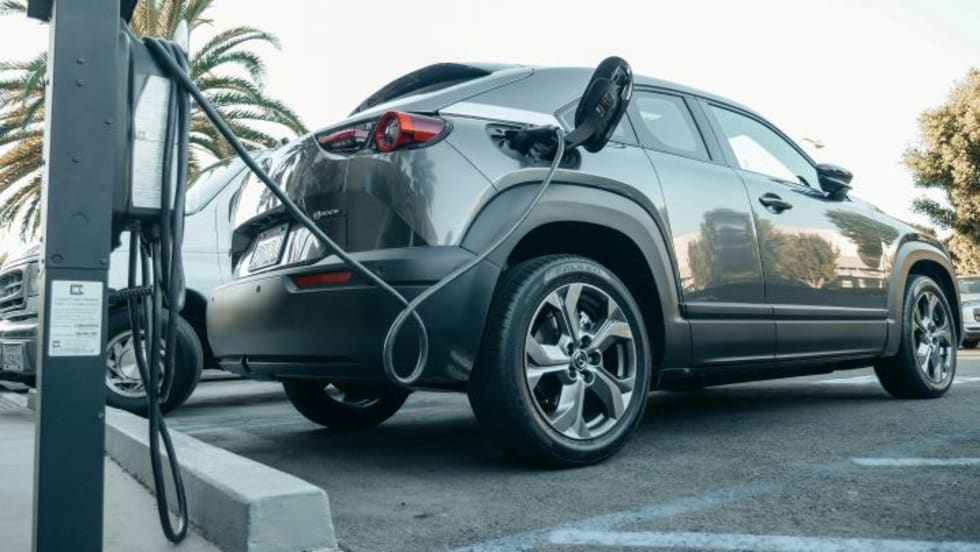
World EV Adoption Set to Grow
A new report says the segment, despite recent setbacks in some regions, is poised for acceleration as many countries look to reduce pollution.
Read More →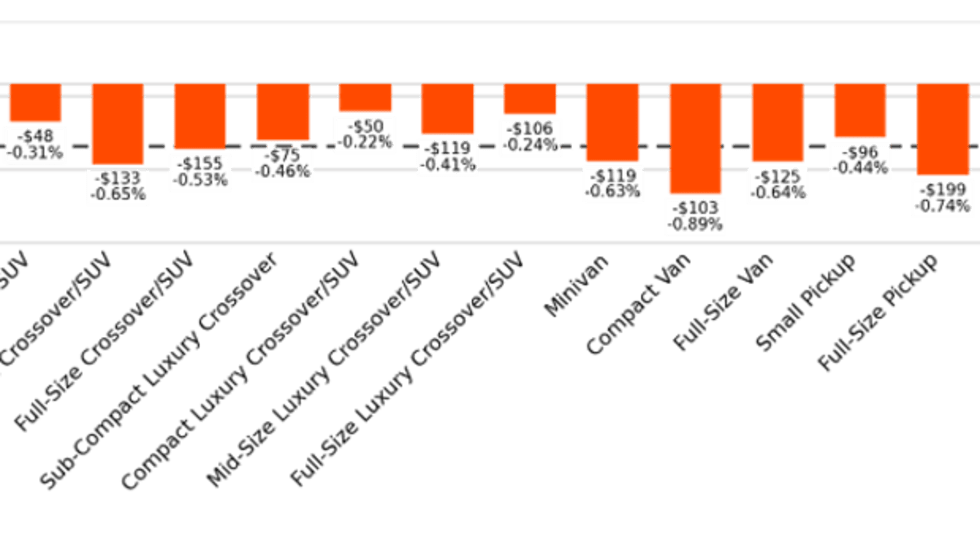
Black Book: Weekly Market Update
Wholesale automotive auction business stayed steady last week as bidders encountered lower prices, analysts observed.
Read More →
Pricing Transparency Drives Purchase Consideration
An annual study by JD Power found that clear pricing matters to consumers on automaker websites, so much so that it increases their purchase consideration.
Read More →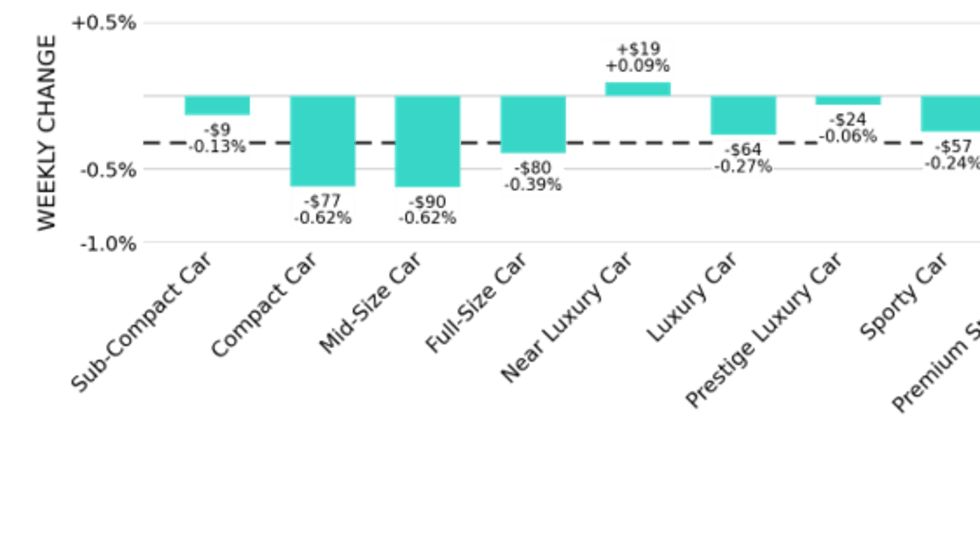
Black Book: Weekly Market Update
Used-vehicle market depreciation was the prevailing story in the wholesale market last week.
Read More →
Smaller Is Looking Better
A growing number of Americans in the market for a new vehicle are opting for more affordable options, not waiting for market stability to bite the bullet.
Read More →
U.S. EV Market Slowly Stabilizes
U.S. electric-vehicle interest is slowly stabilizing since a major dip in sales after last year's end of the federal EV tax credit, and hybrids remain the leading electrified power train.
Read More →
Global EV Market Entering New Phase
Automakers are making investments to lower battery costs and optimize production to meet changing consumer needs.
Read More →
Black Book Weekly Market Update
The holiday weekend, not surprisingly, put a drag on wholesale automotive activity last week, analysts observed.
Read More →
Auto Affordability in Context
Cox Automotive points out the complex circumstances that have led to eye-popping vehicle prices.
Read More →
Black Book: Weekly Market Update
Automotive auction inventory increased last week, giving choosy bidders even more leeway.
Read More →