


BMW Settles FTC Charges

WASHINGTON — BMW of North America has agreed to settle Federal Trade Commission charges that its MINI Division violated the Magnuson-Moss Warranty Act by telling consumers that BMW would void their warranty unless they used MINI parts and MINI dealers to perform maintenance and repair work.
In an administrative complaint, the FTC alleged that BMW, through its MINI Division, violated a provision in the Warranty Act that prohibits companies from requiring that consumers — in order to maintain their warranties — use specific brands of parts or specified service centers, unless the part or service is provided to the consumer without charge.
“It’s against the law for a dealer to refuse to honor a warranty just because someone else did maintenance or repairs on the car,” said Jessica Rich, director of the FTC’s Bureau of Consumer Protection. “As a result of this order, BMW will change its practices and give MINI owners information about their rights.”
The proposed order settling the FTC’s complaint prohibits BMW from violating the Warranty Act and the FTC Act in connection with any MINI Division good or service. The settlement also bars the automaker, in connection with the sale of any MINI Division good or service, from representing that, to ensure a vehicle’s safe operation or maintain its value, owners must have routine maintenance performed only by MINI dealers or MINI centers — unless the representation is true and BMW can substantiate it with reliable scientific evidence. Also, the settlement requires BMW to provide affected MINI owners with information about their right to use third-party parts and service without voiding warranty coverage, unless BMW provides such parts or services for free.
The FTC vote to accept the consent agreement package containing the proposed consent order for public comment was 5-0. The FTC will publish a description of the consent agreement package in the Federal Register shortly. The agreement will be subject to public comment for 30 days, beginning March 19 and continuing through April 20, 2015, after which the FTC will decide whether to issue the order on a final basis.
More Industry
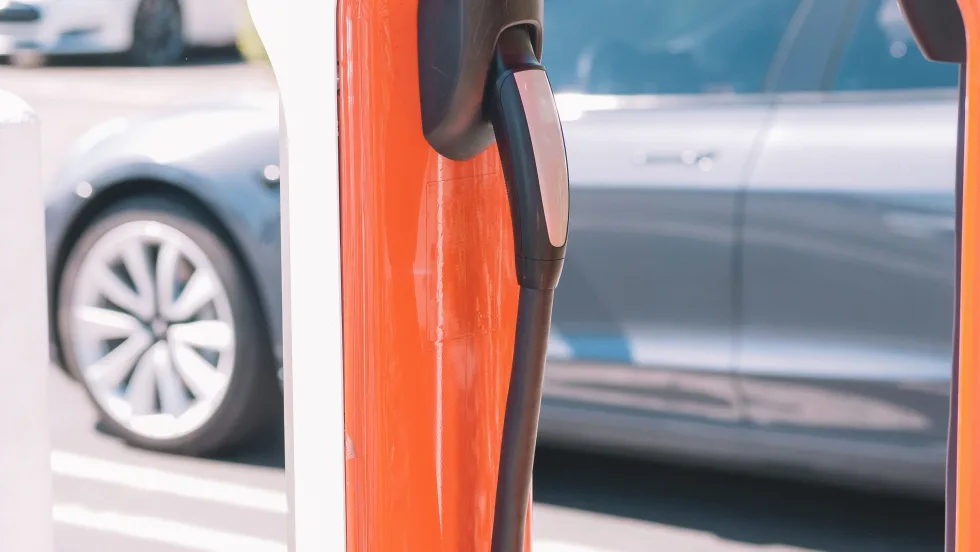
Charger Network Growth Slows
Despite a projected increase in public EV chargers in 2026, charging infrastructure remains a top concern for consumers as the gap between the most and least EV-friendly places remains substantial.
Read More →
Lenders, Consumers Take on More Auto Loan Risk
September records loosened credit access the most in over a decade as buyers took advantage of the conditions to afford trading, though loan applications fell.
Read More →
Next-Gen Hybrids in Sight
Dealerships can expect to see revamped hybrids from Honda next year as the company rolls out a new system and model lineup.
Read More →
Gem State Stores Change Hands
A larger auto group founded in the industry’s early years sold two franchises to a neighbor group that's on a growth spurt.
Read More →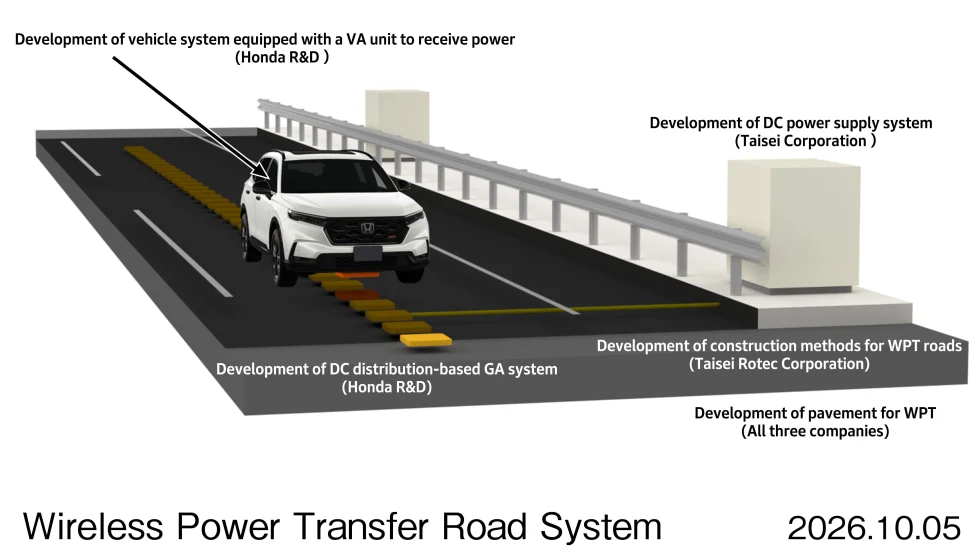
Charging In Motion
Honda has been researching wireless in-motion charging for electric vehicles since 2025, and new technology developments have put it a step closer to a final product.
Read More →
Twin Cities Stores Sell
Minnesota-based Walser Automotive Group made what it called the most significant acquisition in its history with a three-rooftop deal in Minneapolis.
Read More →
U.S. Auto Sales Still Below Prepandemic Levels
Mobility Global industry observers don’t expect the market to return to the higher volumes that became routine before Covid but to stay well below its potential.
Read More →
The Powertrain Shift
Electric-vehicle owners are backpedaling, according to new data, with product availability driving many to shift back to gas-powered engines.
Read More →
Achromatic Autos
The shades that dominate the U.S. car market don’t call attention to themselves, though grayscale may have plateaued after a 30-year upswing, research shows.
Read More →
Used-Vehicle Affordability Worsens
Listing prices in August defied seasonal trends, rising above $27,000 for the second time this year.
Read More →