


Calif. Could Require Speed Warnings in New Cars
Bill that’s passed one state legislative house would mandate visual, audible warnings when a car exceeds a speed limit by more than 10 mph.

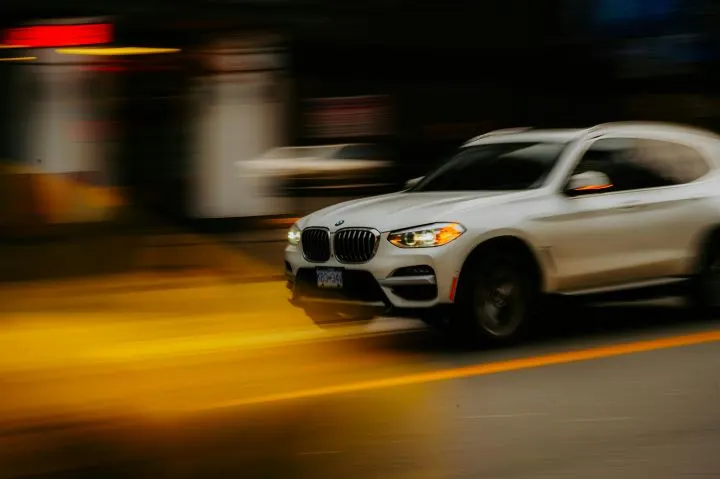
The assembly must pass its version of the bill by Aug. 31 if it’s to advance this session.
Pexels/Luke Miller
A California bill that would require new vehicles to have what’s known as passive speed limiters, or warning signals when the vehicle exceeds posted speed limits, passed one house of the state legislature.
The state senate bill, introduced by Sen. Scott Wiener, D-San Francisco, passed the senate chamber on May 21 by a vote of 22 to 13. If passed by the state assembly and signed by the governor, it would require that all new passenger cars, trucks and buses made or sold in California be equipped with the speed limiters starting in 2032, including a 50% phase-in by 2029.
The technology is also known variously as a passive speed governor and passive Intelligent Speed Assistance, or ISA. Passive is the key word in the term, meaning the devices don’t actually limit vehicle speed but instead warn the driver if he or she exceeds a speed limit by a certain number of mph. Senate Bill 961 would require audible and visual warnings if a vehicle exceeds a posted speed limit by more than 10 mph.
Wiener, in announcing senate passage of the bill, said in a press release that it follows a recommendation by the National Transportation Safety Board to require such technology in new vehicles. He pointed to research that shows speeding dramatically increases the chance of a fatal crash, including a 2023 state Office of Traffic Safety report that a third of traffic California fatalities from 2017 to 2021 involved speed and indicating a 23% increase in speed-related crashes from 2019 to 2022.
The assembly must pass its version of the bill by Aug. 31 if it’s to advance this session.
As is the case with many legislative firsts, California regulatory moves tend to influence other states, causing a ripple effect throughout much of the country, so the action, if it becomes law, could ultimately make such speed-dampening technology standard in the industry.
The European Union will require the technology in vehicles sold there starting this July.
Originally posted on Auto Dealer Today
More Industry

Charger Network Growth Slows
Despite a projected increase in public EV chargers in 2026, charging infrastructure remains a top concern for consumers as the gap between the most and least EV-friendly places remains substantial.
Read More →
Lenders, Consumers Take on More Auto Loan Risk
September records loosened credit access the most in over a decade as buyers took advantage of the conditions to afford trading, though loan applications fell.
Read More →
Next-Gen Hybrids in Sight
Dealerships can expect to see revamped hybrids from Honda next year as the company rolls out a new system and model lineup.
Read More →
Gem State Stores Change Hands
A larger auto group founded in the industry’s early years sold two franchises to a neighbor group that's on a growth spurt.
Read More →
Charging In Motion
Honda has been researching wireless in-motion charging for electric vehicles since 2025, and new technology developments have put it a step closer to a final product.
Read More →
Twin Cities Stores Sell
Minnesota-based Walser Automotive Group made what it called the most significant acquisition in its history with a three-rooftop deal in Minneapolis.
Read More →
U.S. Auto Sales Still Below Prepandemic Levels
Mobility Global industry observers don’t expect the market to return to the higher volumes that became routine before Covid but to stay well below its potential.
Read More →
The Powertrain Shift
Electric-vehicle owners are backpedaling, according to new data, with product availability driving many to shift back to gas-powered engines.
Read More →
Achromatic Autos
The shades that dominate the U.S. car market don’t call attention to themselves, though grayscale may have plateaued after a 30-year upswing, research shows.
Read More →
Used-Vehicle Affordability Worsens
Listing prices in August defied seasonal trends, rising above $27,000 for the second time this year.
Read More →