


California Auto Group Reaches Settlement in Ringless Voicemail Case
Moss Bros. Auto Group has agreed to a $2.5 million class-action settlement in a case involving ringless voicemails.


Creative Commons
Moss Bros. Auto Group has agreed to a $2.5 million class-action settlement in a case involving ringless voicemails.
The allegations against the Riverside, California, auto group claim the company continuously used ringless voicemails for "aggressive unsolicited marketing" in violation of the Telephone Consumer Protection Act.
Ringless voicemails are phone calls that deliver messages directly to a consumer's voicemail and do not cause the phone to ring. The messages are "essentially the same as the method for transmitting text messages,” the plaintiff claimed.
However, phone owners cannot block ringless voicemails like they can other unsolicited phone calls.
Auto dealers often use this method to telemarket to customers without being accused of violating the law. However, the Telephone Consumer Protection Act prohibits pre-recorded or automatic telephone dialing systems from contacting consumers without prior written consent.
Jamal Johnson began receiving ringless voicemails from Moss Bros. in 2019 and reported he had not given prior written consent. He continued to receive the voicemails from February 2019 through October 2019.
Johnson filed a complaint with the U.S. District Court for the Central District of California in December 2019. Laster, the lawsuit was certified as a class action suit that grew to 2,385 members, according to court documents.
The court approved a $2.5 million settlement in June. It includes $625,700 in attorney fees and a $5,000 service payment for Johnson. Class members are eligible for an estimated $46.
The settlement also requires Moss' dealerships to “adopt policies and procedures regarding compliance with the TCPA and the National Do Not Call Registry.”
Originally posted on Auto Dealer Today
More Industry

Achromatic Autos
The shades that dominate the U.S. car market don’t call attention to themselves, though grayscale may have plateaued after a 30-year upswing, research shows.
Read More →
Used-Vehicle Affordability Worsens
Listing prices in August defied seasonal trends, rising above $27,000 for the second time this year.
Read More →
First-Half Dealership Deals Up
Buy-sell activity shows that acquirers are looking for value and scale as many retailers seek to leave an increasingly competitive and complex market, Kerrigan Advisors reports.
Read More →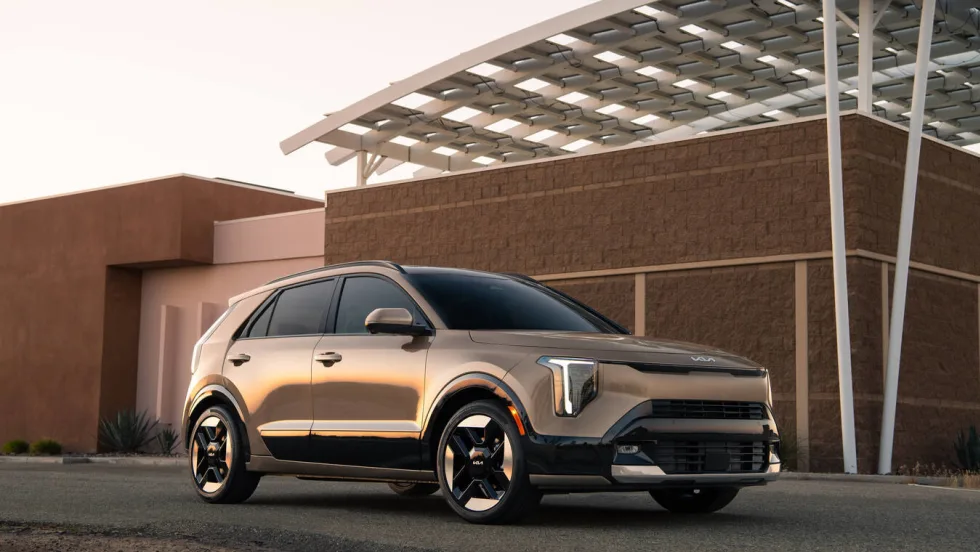
Kia Closes Out Summer With a Bang
Its U.S. subsidiary broke multiple records in August, in part due to a surge of demand for hybrids models.
Read More →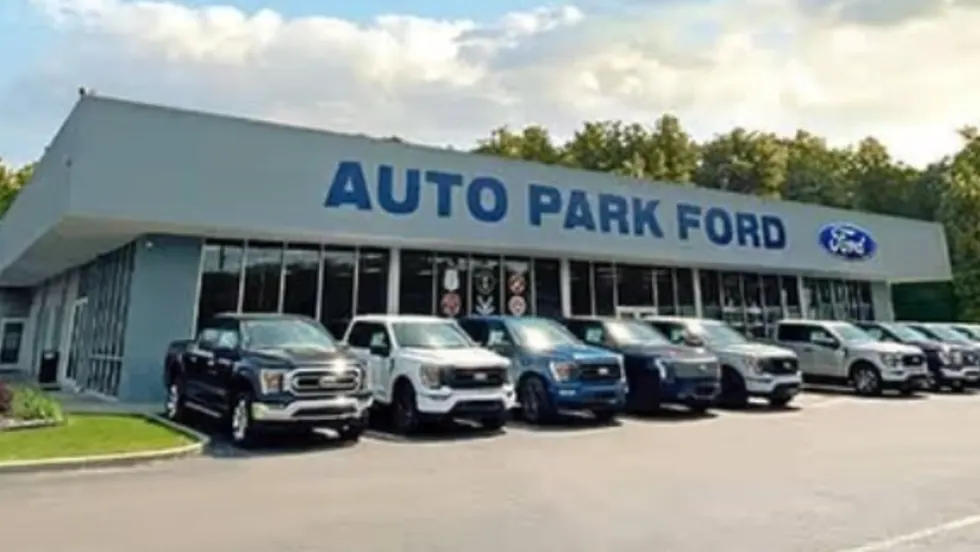
Indiana Dealership Changes Hands
A 30-year-old Ford dealership in Indiana has a new owner and will soon be undergoing renovations to meet manufacturer requirements.
Read More →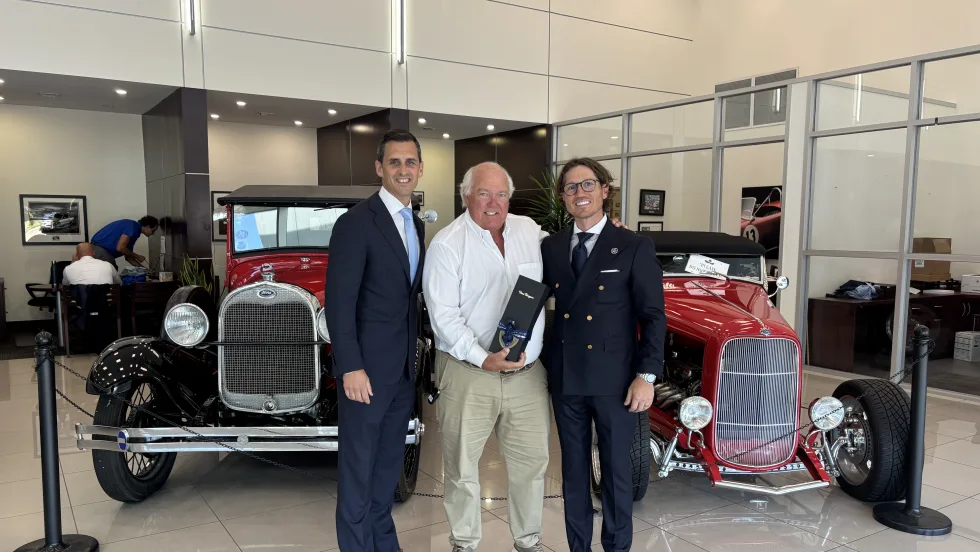
Texas Dealership No Longer in the Family
The Ford store, a longtime cornerstone of the Houston market, is now part of one of the fastest-growing U.S. auto groups.
Read More →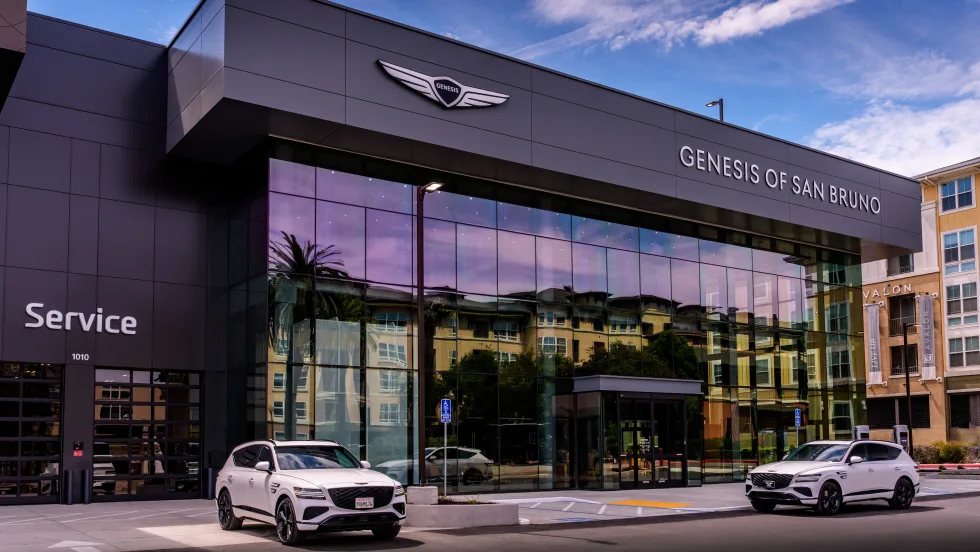
Genesis Grows California Presence
The Cardinale Automotive Group opened its third Genesis rooftop in the Golden State, Genesis of San Bruno, a stand-alone dealership serving the San Francisco Bay Area.
Read More →
August Auto Sales a Mixed Bag
An early forecast shows strong business despite consumer hurdles, and hybrids are a big piece of their affordability coping strategy.
Read More →
EV Market Humming Along
July sales show steady growth as the segment stabilizes from last year’s artificial surge following pullback of federal support.
Read More →
Auto Loan Delinquency Rates Stabilize
Auto loans are a main driver of nonmortgage consumer debt, but delinquency rates stabilized in the second quarter across all credit risk tiers.
Read More →