


California Seeks Approval to End ICE Vehicle Sales
CARB seeks wavier under Clear Air Act to implement its new rules by 2035.

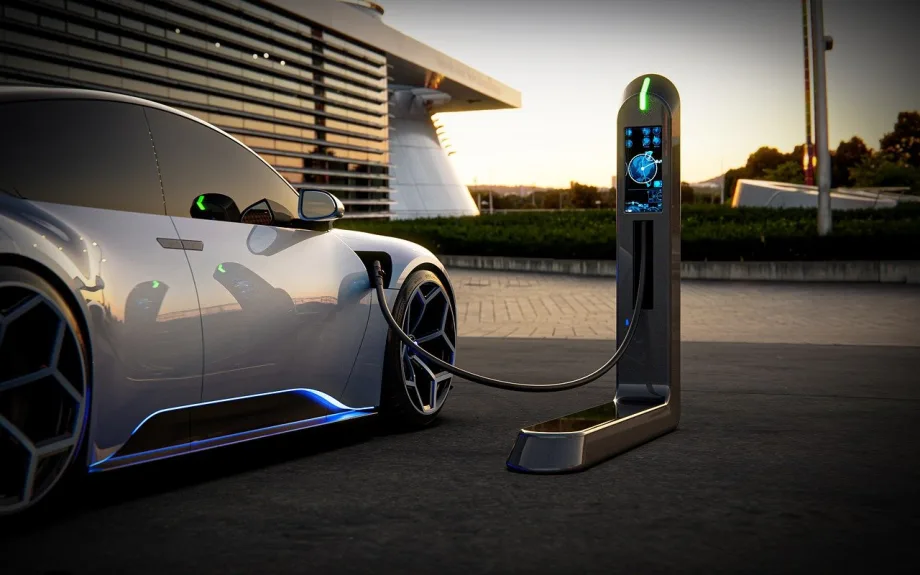
California aims to halt the sale of new gasoline-only powered vehicles in the state by 2035.
Pixabay
California has asked the Biden administration to OK a proposal for all new vehicles sold to be electric or plug-in hybrids by 2035, according to a letter seen by Reuters.
The California Air Resources Board approved the plan in August. The state now has approached the U.S. Environmental Protection Agency to secure a waiver under the Clean Air Act. The waiver would enable new regulations that establish escalating zero-emission vehicle standards starting in 2026. The goal is to cease the sale of new gasoline-only powered vehicles in California by 2035.
CARB Executive Officer Steven Cliff told Automotive News that zero-emission vehicles would effectively replace emissions generated by conventional vehicles, as motor vehicles and other mobile sources are the primary contributors to pollution in California.
Despite California’s efforts, the Biden administration has repeatedly declined to endorse a specific timeline for phasing out gasoline-only vehicle sales. EPA Spokesperson Tim Carroll told Automotive News that the agency would thoroughly consider California's waiver request through an open public process, as is customary.
An EPA proposal unveiled in April forecasted automakers will need to manufacture 60% electric vehicles by 2030 and 67% by 2032 to fulfill the requirements aimed at reducing vehicle emissions by 2032. EVs still accounted for just 5.8% of total U.S. vehicle sales in 2022.
California's zero-emission regulations are expected to curtail smog-causing pollution from light-duty vehicles by 25% by 2037. The rules stipulate that, by 2026, 35% of new-car sales must be comprised of plug-in hybrid electric vehicles, EVs or hydrogen fuel cell vehicles. That figure will increase to 68% by 2030 and reach 100% by 2035.
A 60-page waiver request submitted by California and viewed by Reuters outlined the projected costs and benefits of the state's zero-emission regulations. It estimates that between 2021 and 2040, the rules will result in a cost of $210.35 billion but yield overall benefits amounting to $301.41 billion.
An increasing number of states, including Rhode Island, Washington, Virginia, Vermont, Oregon, New York and Massachusetts, have adopted California's more stringent EV regulations, surpassing the proposals put forth by the Biden administration.
Under CARB's regulation, automakers could sell up to 20% plug-in hybrid electric vehicles by 2035. However, by that time, those vehicles would need to possess a minimum all-electric range of 50 miles.
Originally posted on Auto Dealer Today
More Industry

Charger Network Growth Slows
Despite a projected increase in public EV chargers in 2026, charging infrastructure remains a top concern for consumers as the gap between the most and least EV-friendly places remains substantial.
Read More →
Lenders, Consumers Take on More Auto Loan Risk
September records loosened credit access the most in over a decade as buyers took advantage of the conditions to afford trading, though loan applications fell.
Read More →
Next-Gen Hybrids in Sight
Dealerships can expect to see revamped hybrids from Honda next year as the company rolls out a new system and model lineup.
Read More →
Gem State Stores Change Hands
A larger auto group founded in the industry’s early years sold two franchises to a neighbor group that's on a growth spurt.
Read More →
Charging In Motion
Honda has been researching wireless in-motion charging for electric vehicles since 2025, and new technology developments have put it a step closer to a final product.
Read More →
Twin Cities Stores Sell
Minnesota-based Walser Automotive Group made what it called the most significant acquisition in its history with a three-rooftop deal in Minneapolis.
Read More →
U.S. Auto Sales Still Below Prepandemic Levels
Mobility Global industry observers don’t expect the market to return to the higher volumes that became routine before Covid but to stay well below its potential.
Read More →
The Powertrain Shift
Electric-vehicle owners are backpedaling, according to new data, with product availability driving many to shift back to gas-powered engines.
Read More →
Achromatic Autos
The shades that dominate the U.S. car market don’t call attention to themselves, though grayscale may have plateaued after a 30-year upswing, research shows.
Read More →
Used-Vehicle Affordability Worsens
Listing prices in August defied seasonal trends, rising above $27,000 for the second time this year.
Read More →