


Carmakers Also Give U.S. Flack Over EV Tax Credit
Ford, Toyota join some countries in urging looser EV battery sourcing qualifications.

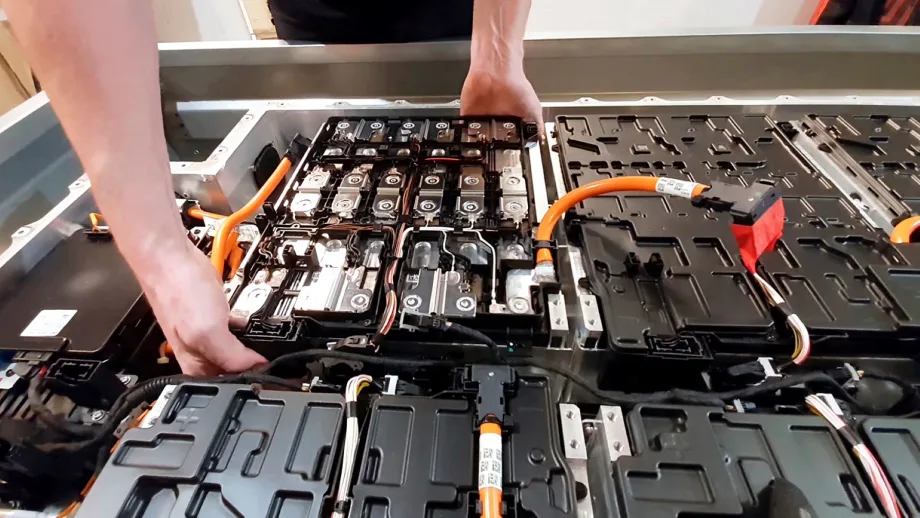
Tax credit qualification requirements limit it to vehicles whose batteries are made with materials mined, processed or recycled in the U.S. or in any of its trade partners.
IMAGE: Getty Images/Aranga87
In addition to flack from some foreign governments, the U.S. is now getting pushback from carmakers on its parameters to qualify for its new electric vehicle tax credit.
The U.S. government has gotten entreaties from the European Union and South Korea about qualification requirements that limit the credit to vehicles whose batteries are made with materials mined, processed or recycled in the U.S. or in any of its trade partners. The credit can total as much as $7,500, and carmakers are eager to see their products qualify for it.
The law authorizing the credit, though, excludes battery components that originate in China, Russia or other “foreign entities of concern.” One major motivation behind the exclusion is to help wean the U.S. from Asia-based suppliers, particularly China.
Now some carmakers are joining the chorus of those imploring the U.S. to step back from the restrictions around the tax credit. Ford and Toyota want the terms to be loosened, but some of the brands’ own raw-materials suppliers support the restrictions, Bloomberg reported.
Ford asked the government to exempt domestic suppliers from the foreign-entity qualification and to open up the credit to cars with batteries made by companies outside the U.S. if half or less of their ownerships don’t translate as “foreign entities of concern.”
Toyota asked that Japan be specifically mentioned in the tax credit law as a qualified source.
The Alliance for Automotive Innovation asked that the Internal Revenue Service consider the complexity of the overall vehicle battery supply chain as it works to finalize the law.
The tax credit’s battery-sourcing restrictions are scheduled to take effect in 2024.
READ MORE: Biden Willing to Continue EV Talks With South Korea
Originally posted on Auto Dealer Today
More Industry

Charger Network Growth Slows
Despite a projected increase in public EV chargers in 2026, charging infrastructure remains a top concern for consumers as the gap between the most and least EV-friendly places remains substantial.
Read More →
Lenders, Consumers Take on More Auto Loan Risk
September records loosened credit access the most in over a decade as buyers took advantage of the conditions to afford trading, though loan applications fell.
Read More →
Next-Gen Hybrids in Sight
Dealerships can expect to see revamped hybrids from Honda next year as the company rolls out a new system and model lineup.
Read More →
Gem State Stores Change Hands
A larger auto group founded in the industry’s early years sold two franchises to a neighbor group that's on a growth spurt.
Read More →
Charging In Motion
Honda has been researching wireless in-motion charging for electric vehicles since 2025, and new technology developments have put it a step closer to a final product.
Read More →
Twin Cities Stores Sell
Minnesota-based Walser Automotive Group made what it called the most significant acquisition in its history with a three-rooftop deal in Minneapolis.
Read More →
U.S. Auto Sales Still Below Prepandemic Levels
Mobility Global industry observers don’t expect the market to return to the higher volumes that became routine before Covid but to stay well below its potential.
Read More →
The Powertrain Shift
Electric-vehicle owners are backpedaling, according to new data, with product availability driving many to shift back to gas-powered engines.
Read More →
Achromatic Autos
The shades that dominate the U.S. car market don’t call attention to themselves, though grayscale may have plateaued after a 30-year upswing, research shows.
Read More →
Used-Vehicle Affordability Worsens
Listing prices in August defied seasonal trends, rising above $27,000 for the second time this year.
Read More →