


Carolina Dealers Face Florence Losses

ATLANTA — Lower vehicle density will spare Hurricane Florence-affected areas from tallying total losses approaching those seen in Texas and Florida during last year’s hurricane season, predicted Jonathan Smoke, chief economist for Cox Automotive. In a statement released at noon ET yesterday, Smoke acknowledged the “hard reality” of significant flooding and property loss faced by millions of residents from the Carolinas, Georgia, and Virginia, many of whom are now “thankfully” under mandatory evacuation. However, Smoke said he believed Florence’s impact on the automotive industry will be “manageable,” at least when compared with the devastation sown by Hurricanes Harvey and Irma in 2017. “Vehicle density in current path, thankfully, is about half that of Houston. The broad possible impact path of Hurricane Florence from Savannah, Ga., to Norfolk, Va., encompasses a population of 10.2 million people and 3.9 million households. Thankfully, this is not as densely populated as some coastal regions,” Smoke said. “The broad area has a population density of 182 people per square mile, which is less than half that of the Houston DMA or the state of Florida, which were impacted by Hurricanes Harvey and Irma last year.” Smoke noted that, with 9 million vehicles in operation, the path area’s vehicle density is 162 vehicles per square mile — significantly lower than Houston’s 326 vehicles per square mile and Florida’s 314. “With the evacuation and other preparations taking place now, the impact should be less than what we saw in Houston last year,” he said. “North Carolina could lose 20,000 to 40,000 vehicles if Florence maintains its current path and remains a Category 4 or 5 hurricane given the likely damage from wind and flooding.” The latest projections say Florence will approach the North Carolina coast and turn left toward South Carolina late Friday, making landfall sometime Saturday. At 150 miles wide and traveling at 130 miles per hour, Florence could cause 13-foot storm surges and drop 40 inches of rain, leading to catastrophic flash flooding. “This is not going to be a glancing blow,” warned Jeff Byard, associate administrator of the Federal Emergency Management Agency, Wednesday morning. “This is going to be a Mike Tyson punch to the Carolina coast.”
More Industry
Charger Network Growth Slows
Despite a projected increase in public EV chargers in 2026, charging infrastructure remains a top concern for consumers as the gap between the most and least EV-friendly places remains substantial.
Read More →
Lenders, Consumers Take on More Auto Loan Risk
September records loosened credit access the most in over a decade as buyers took advantage of the conditions to afford trading, though loan applications fell.
Read More →
Next-Gen Hybrids in Sight
Dealerships can expect to see revamped hybrids from Honda next year as the company rolls out a new system and model lineup.
Read More →
Gem State Stores Change Hands
A larger auto group founded in the industry’s early years sold two franchises to a neighbor group that's on a growth spurt.
Read More →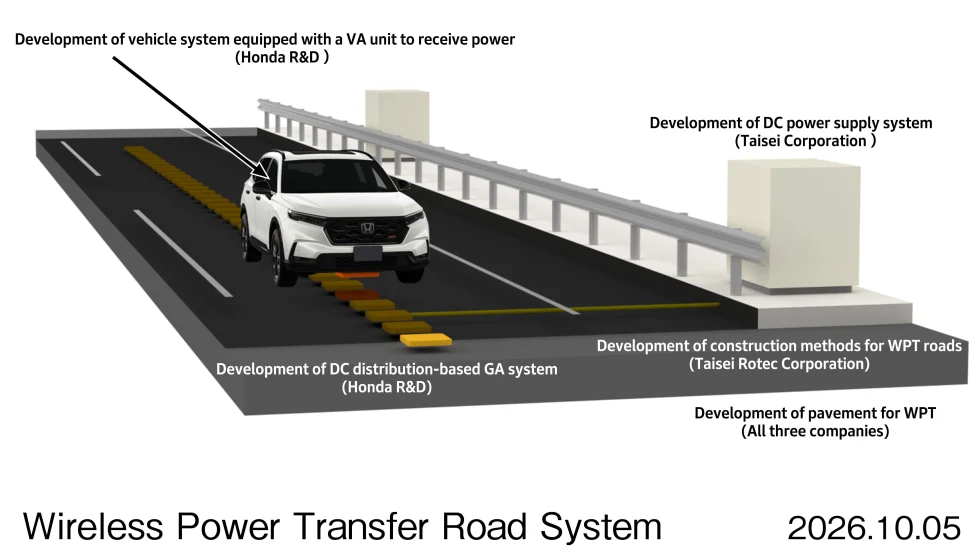
Charging In Motion
Honda has been researching wireless in-motion charging for electric vehicles since 2025, and new technology developments have put it a step closer to a final product.
Read More →
Twin Cities Stores Sell
Minnesota-based Walser Automotive Group made what it called the most significant acquisition in its history with a three-rooftop deal in Minneapolis.
Read More →
U.S. Auto Sales Still Below Prepandemic Levels
Mobility Global industry observers don’t expect the market to return to the higher volumes that became routine before Covid but to stay well below its potential.
Read More →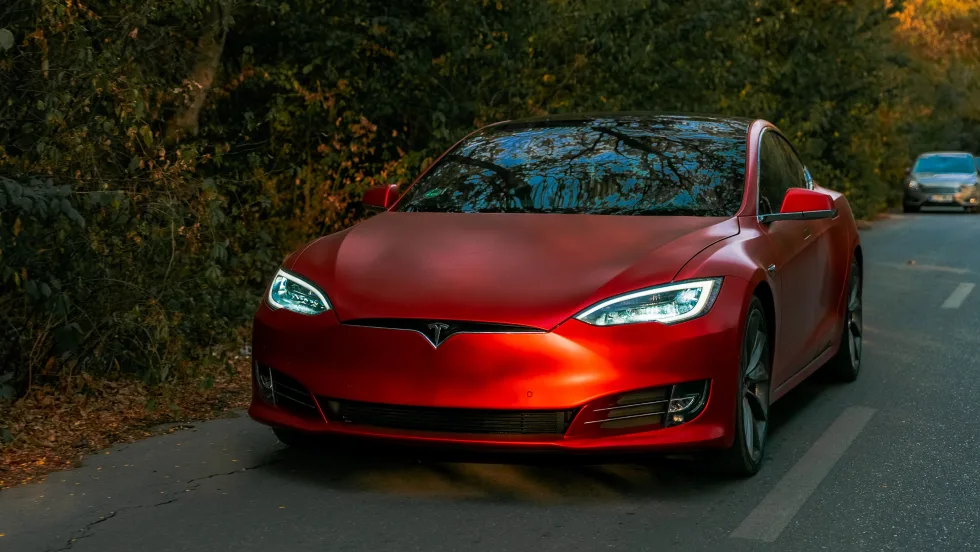
The Powertrain Shift
Electric-vehicle owners are backpedaling, according to new data, with product availability driving many to shift back to gas-powered engines.
Read More →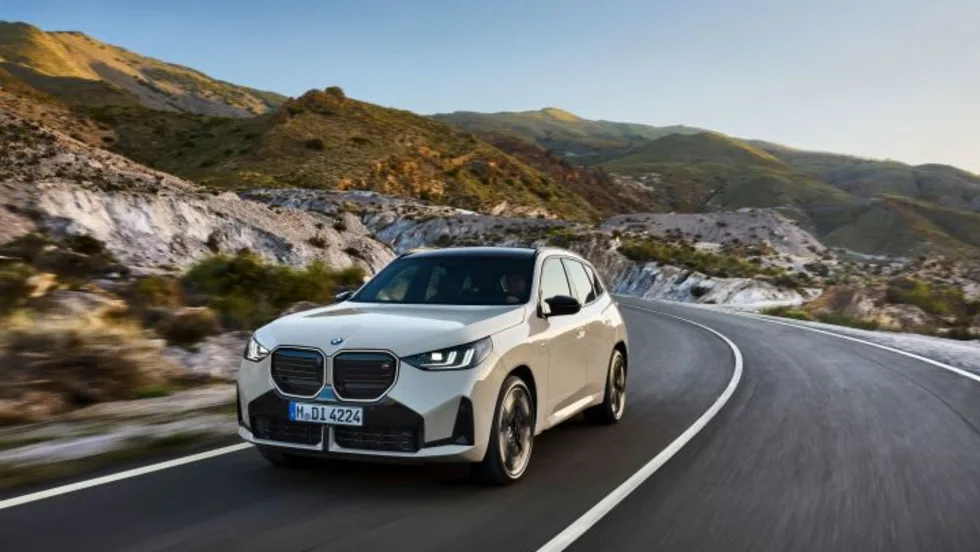
Achromatic Autos
The shades that dominate the U.S. car market don’t call attention to themselves, though grayscale may have plateaued after a 30-year upswing, research shows.
Read More →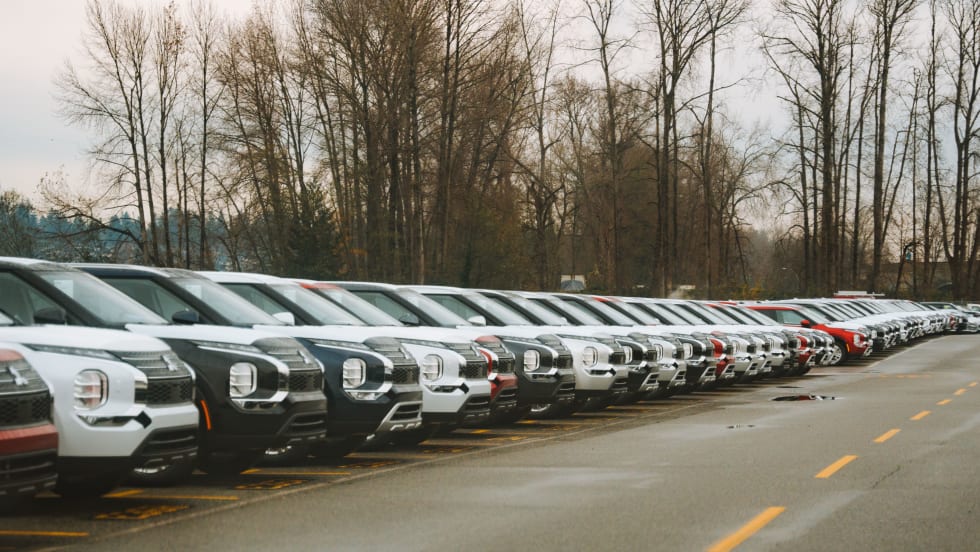
Used-Vehicle Affordability Worsens
Listing prices in August defied seasonal trends, rising above $27,000 for the second time this year.
Read More →