


CFPB Takes First Action Against BHPH Dealer

WASHINGTON — Today, the Consumer Financial Protection Bureau (CFPB) took its first action against a buy-here, pay-here (BHPH) dealer. DriveTime Automotive Group was ordered to pay an $8 million civil penalty as well as end its unfair debt collection tactics, fix its credit reporting practices, and arrange for harmed consumers to obtain free credit reports.
“Consumers who purchase a car at a buy-here, pay-here dealer deserve to be treated fairly,” said CFPB Director Richard Cordray in a statement. “DriveTime harassed and harmed countless consumers, many of whom were economically vulnerable. Our action today forces DriveTime to pay the price for its illegal debt collection tactics and for neglecting the accuracy of consumers’ credit information.”
Arizona-based DriveTime and its finance company, DT Acceptance Corporation, make up the largest BHPH dealer in the nation. DriveTime’s average customer has an annual income of $37,000 to $50,000 and has a FICO score between 461 and 554. It operates 117 dealerships in 20 states and, as of Dec. 31, 2013, held more than 150,000 outstanding auto installment contracts.
According to the CFPB, at least 45% of DriveTime’s auto installment contracts were delinquent at a given time. When a consumer fell behind on his or her installment payment, one of DriveTime’s 290 collection employees in two domestic call centers and 80 contractors in Barbados would begin calling the consumer — resulting in tens of thousands of collection calls being made each weekday. At the end of 2013, DriveTime had approximately 69,000 installment contracts past due that these employees would have been calling about.
The CFPB determined that several of DriveTime’s debt collection practices were unfair to consumers and violated the Dodd-Frank Wall Street Reform and Consumer Protection Act (Dodd-Frank Act). According to the bureau, DriveTime employees harassed borrowers at work, a practice that was encouraged by DriveTime management. In one case, a consumer was called 30 times at work, even after making a do-not-call request.
DriveTime also requires consumers to provide the names and phone numbers of at least four references when they applied for financing. When consumers fell behind on their payments, DriveTime called these references excessively. The dealer group also used third-party databases to find the phone number of consumers who fell behind in payments, often resulting in frequent phone calls to wrong numbers.
The CFPB also found that DriveTime gave credit reporting agencies information that inaccurately reflected the timing of repossessions and dates of first delinquencies — a practice which is prohibited by the Fair Credit Reporting Act (FRCA). .
The bureau also said DriveTime mishandled consumers’ complaints about the inaccurate information it had provided to the credit reporting agencies. In several instances, consumers disputed the same account information several times without the inaccurate information being corrected. In other cases, DriveTime informed consumers in writing that the information had been corrected, when it had not been — a violation of the FCRA.
Additionally, the bureau charged DriveTime with failing to establish and implement reasonable written policies and procedures regarding the accuracy and integrity of the information it furnished to credit reporting agencies.
More Industry
Charger Network Growth Slows
Despite a projected increase in public EV chargers in 2026, charging infrastructure remains a top concern for consumers as the gap between the most and least EV-friendly places remains substantial.
Read More →
Lenders, Consumers Take on More Auto Loan Risk
September records loosened credit access the most in over a decade as buyers took advantage of the conditions to afford trading, though loan applications fell.
Read More →
Next-Gen Hybrids in Sight
Dealerships can expect to see revamped hybrids from Honda next year as the company rolls out a new system and model lineup.
Read More →
Gem State Stores Change Hands
A larger auto group founded in the industry’s early years sold two franchises to a neighbor group that's on a growth spurt.
Read More →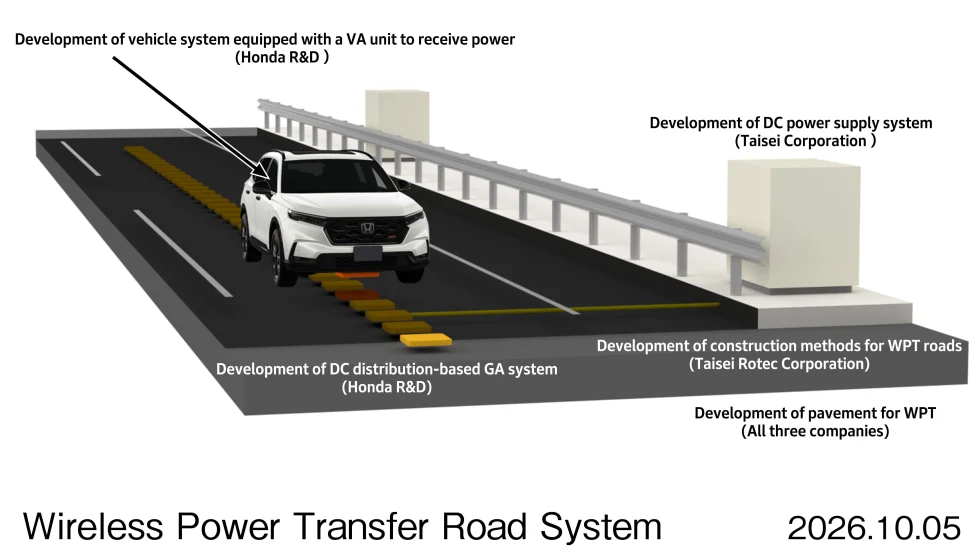
Charging In Motion
Honda has been researching wireless in-motion charging for electric vehicles since 2025, and new technology developments have put it a step closer to a final product.
Read More →
Twin Cities Stores Sell
Minnesota-based Walser Automotive Group made what it called the most significant acquisition in its history with a three-rooftop deal in Minneapolis.
Read More →
U.S. Auto Sales Still Below Prepandemic Levels
Mobility Global industry observers don’t expect the market to return to the higher volumes that became routine before Covid but to stay well below its potential.
Read More →
The Powertrain Shift
Electric-vehicle owners are backpedaling, according to new data, with product availability driving many to shift back to gas-powered engines.
Read More →
Achromatic Autos
The shades that dominate the U.S. car market don’t call attention to themselves, though grayscale may have plateaued after a 30-year upswing, research shows.
Read More →
Used-Vehicle Affordability Worsens
Listing prices in August defied seasonal trends, rising above $27,000 for the second time this year.
Read More →