


Consumers Bracing for Worse
Sentiment survey finds inflation, unemployment concerns, plans to cut spending on items with price hikes.


Some of the pre-emptive spending consumers have already been doing since the spring, including car purchases, can push up inflation.
Pexels/Tima Miroshnichenko
U.S. consumers’ outlook dimmed this month for the first time in four months as many see inflation dragging down conditions, and car purchases are among the most likely to be scratched from their lists.
The University of Michigan sentiment survey showed a 5% decline in consumer outlook. The buying outlook for durable goods alone cratered by 14% to its lowest point in a year due to high prices, according to the survey. Car purchases were the most cited category – 19% – that consumers expect to cut back on or delay.
Current personal finance outlook fell slightly over concerns about purchasing power. The outlook on how personal finances will develop actually rose a tad with an uptick in income expectations, despite the fact that consumers foresee both inflation and unemployment getting worse instead of better, the survey report indicates.
“Overall, consumers are no longer bracing for the worst-case scenario for the economy feared in April when reciprocal tariffs were announced and then paused,” wrote Joanne Hsu, director of consumer surveys.
However, their inflation expectations are on the rise after falling for several months. Looking to the year ahead, they were up about half a percentage point over July, and long-term inflation outlook rose by about the same amount to stay well above 2024 readings.
Taking unemployment expectations alone, 60% of consumers anticipate a worsening job market in the year ahead, comparable to Great Recession levels, the survey found. That compares to 32% last November.
Consequently, less than a quarter of consumers – 24% – foresee their spending levels to be stable for expenses with significant price hikes, concentrated among higher income brackets, according to the survey. Most, meanwhile, expect to cut back on such expenses or even eliminate them. Even fewer higher-income consumers say they’ll keep spending steady, 31%, down from 45% in 2022, when inflation was higher.
Ironically, some of the pre-emptive spending consumers have already been doing since the spring, including car purchases, can push up inflation, the report noted.
Originally posted on Auto Dealer Today
More Industry

First-Half Dealership Deals Up
Buy-sell activity shows that acquirers are looking for value and scale as many retailers seek to leave an increasingly competitive and complex market, Kerrigan Advisors reports.
Read More →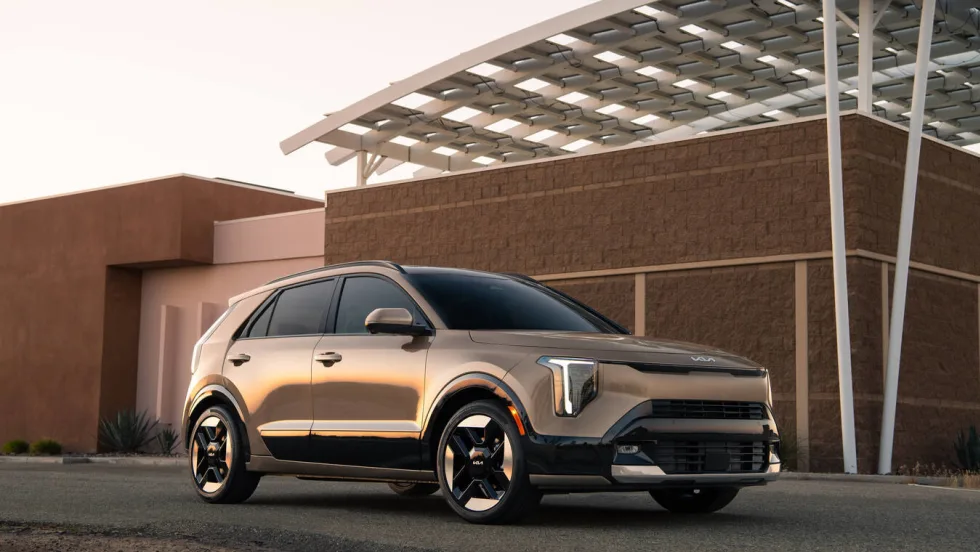
Kia Closes Out Summer With a Bang
Its U.S. subsidiary broke multiple records in August, in part due to a surge of demand for hybrids models.
Read More →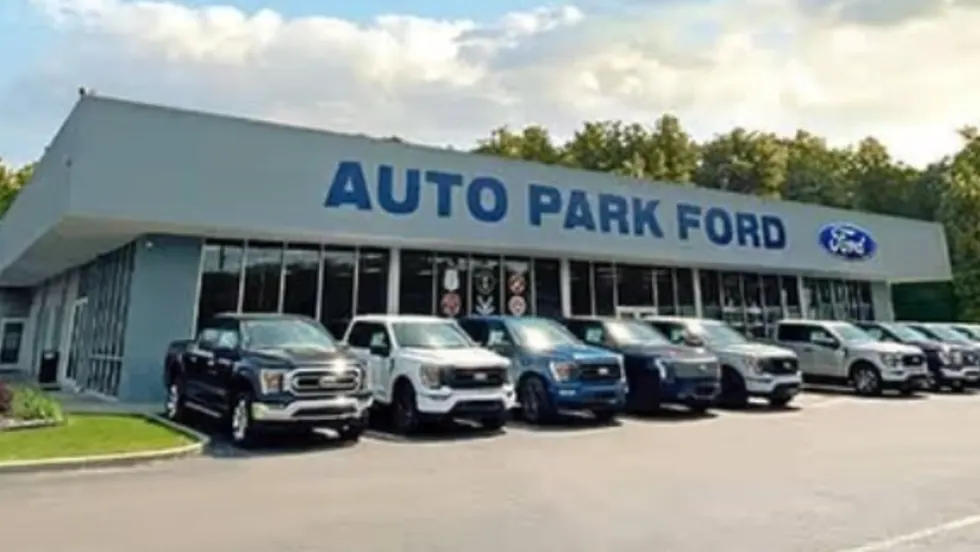
Indiana Dealership Changes Hands
A 30-year-old Ford dealership in Indiana has a new owner and will soon be undergoing renovations to meet manufacturer requirements.
Read More →
Texas Dealership No Longer in the Family
The Ford store, a longtime cornerstone of the Houston market, is now part of one of the fastest-growing U.S. auto groups.
Read More →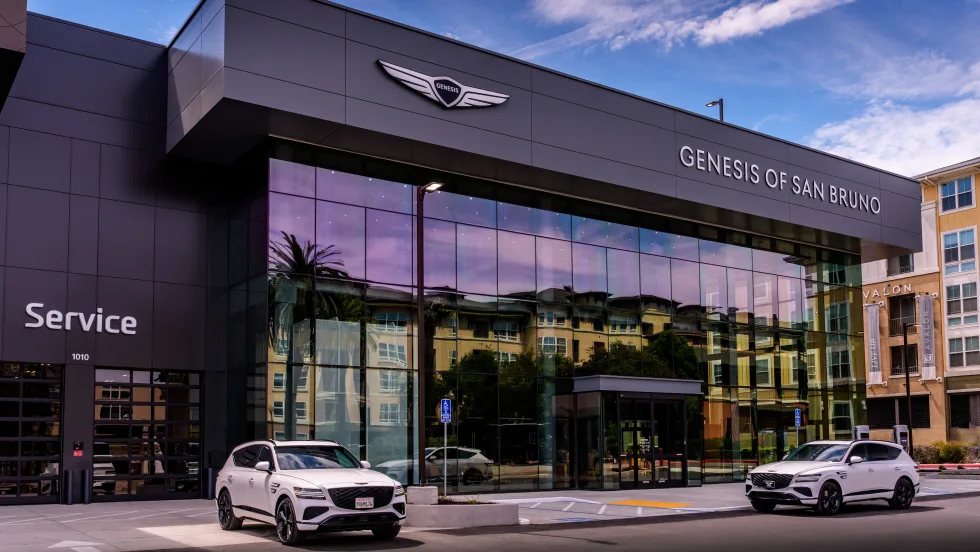
Genesis Grows California Presence
The Cardinale Automotive Group opened its third Genesis rooftop in the Golden State, Genesis of San Bruno, a stand-alone dealership serving the San Francisco Bay Area.
Read More →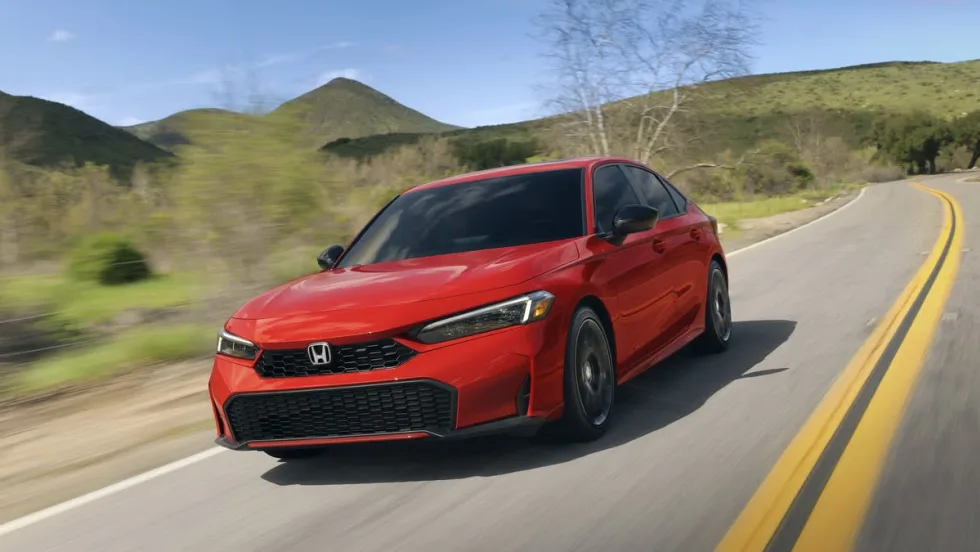
August Auto Sales a Mixed Bag
An early forecast shows strong business despite consumer hurdles, and hybrids are a big piece of their affordability coping strategy.
Read More →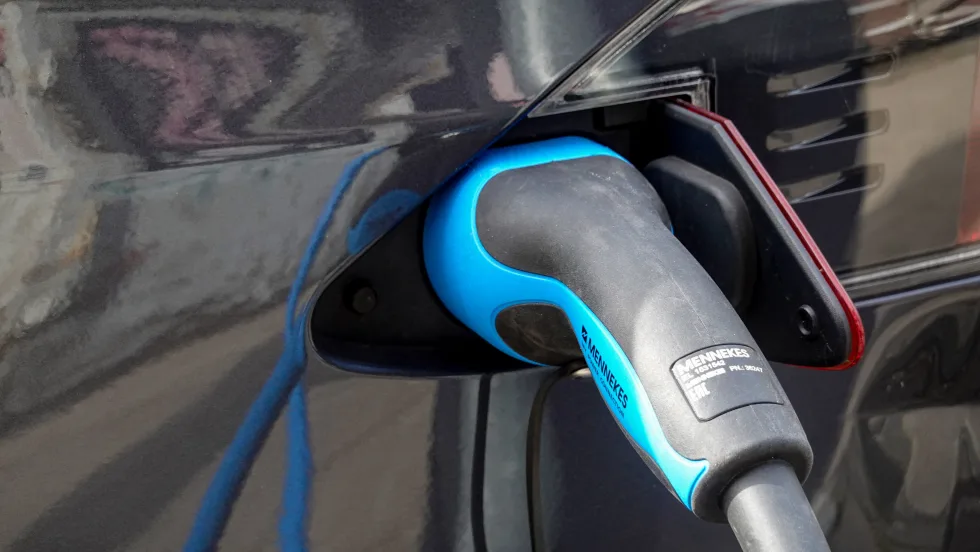
EV Market Humming Along
July sales show steady growth as the segment stabilizes from last year’s artificial surge following pullback of federal support.
Read More →
Auto Loan Delinquency Rates Stabilize
Auto loans are a main driver of nonmortgage consumer debt, but delinquency rates stabilized in the second quarter across all credit risk tiers.
Read More →
EV Sales Recover in Q2
The EV sales roller coaster continues as numbers show improvement, but industry experts predict a year-over-year third-quarter decline and fourth-quarter jump.
Read More →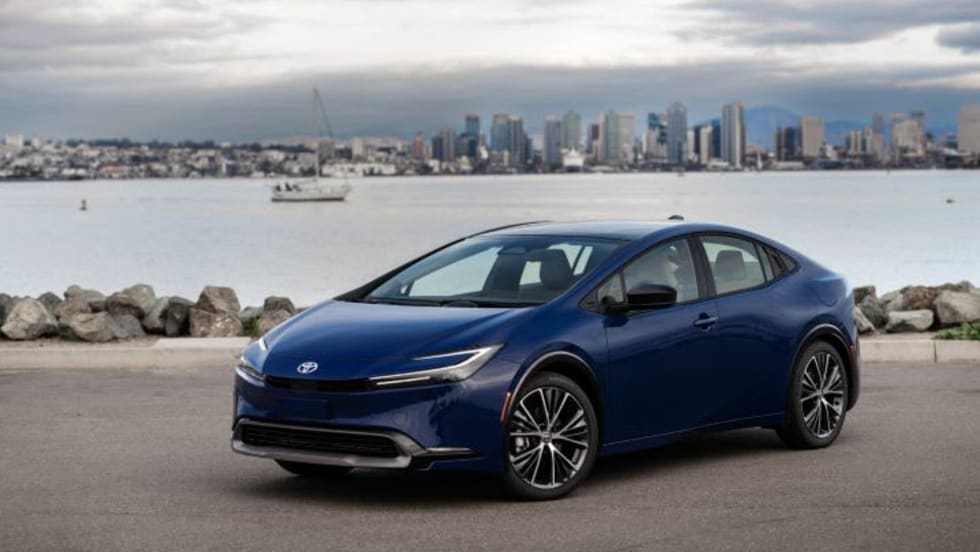
The Cheapest Hybrids to Fuel
The powertrain is increasing in popularity, in no small part due to its fuel economy. A new report lists the most efficient hybrids on the market.
Read More →