


DealerSocket Data Reveals Five Untapped Strategies for Auto Dealers to Acquire More Used-Car Customers

SAN CLEMENTE, Calif. – DealerSocket has unveiled a five-step customer acquisition plan for used car dealers, backed by the company’s most recent internal data and a survey of dealerships nationwide. The plan highlights low-hanging-fruit strategies that dealers can implement right away to attract and convert more leads.
“It’s tempting for dealers working in the trenches every day to get ‘tunnel vision’ about their marketing efforts. If the numbers aren’t where they need to be, the automatic response is to just try harder,” said Matt Redden, Chief Marketing & Sales Officer at DealerSocket. “Instincts and subjective observations are helpful, but dealers must also prioritize reliable, black-and-white data. It can reframe challenges and uncover solutions they may have never noticed otherwise.”
DealerSocket recommends implementing the following strategies for the quickest results in lead acquisition and conversion:
1) THE PROBLEM: Phone leads are underperforming.
With lower close rates, longer sales cycles and lower profit margins, phone-sourced leads provide tremendous opportunities of growth for used car dealers. Franchise dealers take 18 percent longer to close phone leads whereas independent dealers take 37 percent longer. All dealers make significantly less profit from used car phone leads than from other sources, with independents bringing in 11 percent less and franchise dealers delivering a whopping 44 percent less profit.
THE SOLUTION: Focus on phone training and call management efficiencies.
Independent dealers make an average of 2.86 outbound calls to each phone prospect, while focusing more time on floor leads (4.13 calls) and Internet leads (3.82 calls). As a result, phone leads have only a 5 percent close rate. Franchise dealers demonstrate an even wider gap, with used car phone leads receiving less than half the outbound calls other lead types receive.
2) THE PROBLEM: Traditional marketing no longer works.
Radio spots, TV ads, billboards and tent sales are mainstays of most dealerships’ marketing plans. But the ROI just isn’t there anymore. Conventional media now bring in an average total profit of $1,702 per vehicle, while digital marketing rakes in $2,514 per sale. In today’s increasingly digital world, dealers must relinquish preconceived ideas and embrace the media that work.
THE SOLUTION: Digital media result in more sales and cost less.
In many cases, a lower price translates to lower performance. But it’s just the opposite with digital marketing, which includes websites, social networks, email, smartphones, tablets and kiosks. According to DealerSocket data, it costs $150 of digital marketing to sell one car. Compare that to $1,581 of traditional media. If you stick with conventional methods, you’ll pay 10 times more than necessary.
3) THE PROBLEM: Third-party lead generation can be expensive.
Some dealers believe they must directly pay for more leads. They don’t think they can produce new prospects organically through resources already in place. While third-party lead generators can certainly work, the question boils down to cost effectiveness.
THE SOLUTION: Optimize your website for maximum visibility and efficiency.
Whether franchise or independent, about one-third of dealers’ leads arrive through their website, making it the No. 1 lead generator today. It’s also one of the easiest to optimize for even more impressive results. Invest in organic search engine optimization and marketing so customers can find you. Also keep in mind that inventory pages are the most visited section of any dealer website. They should be well organized and fully searchable, while offering multiple calls to action so you can secure more leads.
4) THE PROBLEM: Digital efforts do not account for user demographics.
Many businesses – auto dealers included – build websites for themselves rather than their end user. Do you know who is visiting your site, what they prefer in a user experience, and how your content displays on each person’s device?
THE SOLUTION: Pay special attention to mobile and tablet users.
Franchise dealer websites receive 37 percent of their traffic from mobile devices, and another 11 percent from tablet users. Independent dealers receive about half of their traffic from mobile devices and 10 percent from tablet users. Either way, dealers must prioritize responsive web design that optimizes the user experience regardless of how the user accesses the Internet. Also, get to know your online shopper base, which typically consists of 65 percent male and 35 percent female. While age ranges are distributed fairly evenly, the majority of online shoppers are between the ages of 25 and 44.
5) THE PROBLEM: Many leads aren’t yet ready to buy.
Try as you might to bring in new customers, you may find that the majority of your leads are earlier in the purchase process – making it seem that even your strongest closing efforts fall on deaf ears.
THE SOLUTION: Leverage a data mining solution to boost trade-ins and intercept customers when they’re most likely to purchase.
Data mining tools have long been a staple of the franchise auto industry, with about half of dealers using the technology. The results are clear cut – 75 percent of deals generated from a data mining solution result in a trade-in. On the contrary, only one out of every 10 independent dealers take advantage of data mining, and the small number of trade-ins follow suit (about 19 percent of deals). Today’s market includes affordable solutions geared specifically toward independents. By leveraging data mining to identify and target customers for vehicle buy-back programs, dealers accomplish two desirable goals: 1) Aid inventory acquisition efforts by purchasing quality vehicles from past customers, and 2) Increase sales as customers replace their old vehicle with a new one.
More Industry
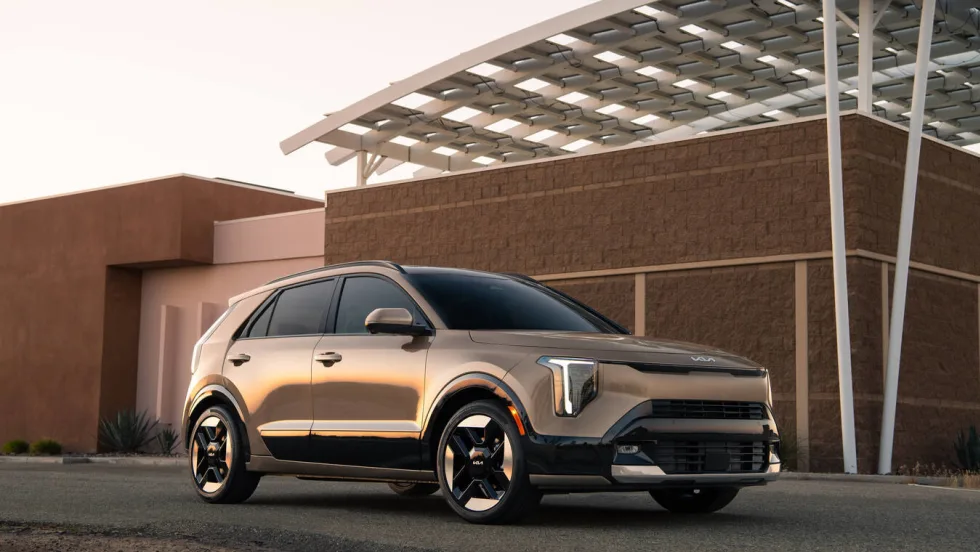
Kia Closes Out Summer With a Bang
Its U.S. subsidiary broke multiple records in August, in part due to a surge of demand for hybrids models.
Read More →
Indiana Dealership Changes Hands
A 30-year-old Ford dealership in Indiana has a new owner and will soon be undergoing renovations to meet manufacturer requirements.
Read More →
Texas Dealership No Longer in the Family
The Ford store, a longtime cornerstone of the Houston market, is now part of one of the fastest-growing U.S. auto groups.
Read More →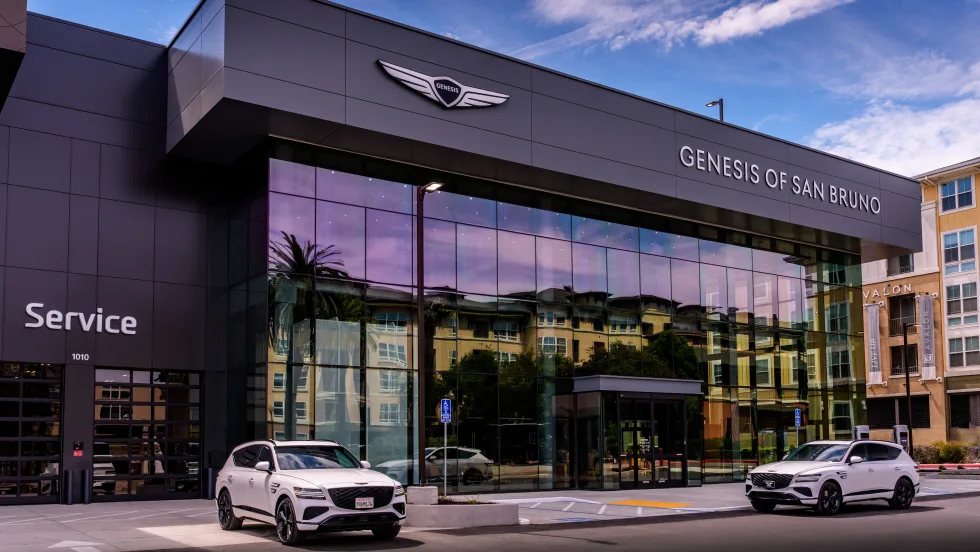
Genesis Grows California Presence
The Cardinale Automotive Group opened its third Genesis rooftop in the Golden State, Genesis of San Bruno, a stand-alone dealership serving the San Francisco Bay Area.
Read More →
August Auto Sales a Mixed Bag
An early forecast shows strong business despite consumer hurdles, and hybrids are a big piece of their affordability coping strategy.
Read More →
EV Market Humming Along
July sales show steady growth as the segment stabilizes from last year’s artificial surge following pullback of federal support.
Read More →
Auto Loan Delinquency Rates Stabilize
Auto loans are a main driver of nonmortgage consumer debt, but delinquency rates stabilized in the second quarter across all credit risk tiers.
Read More →
EV Sales Recover in Q2
The EV sales roller coaster continues as numbers show improvement, but industry experts predict a year-over-year third-quarter decline and fourth-quarter jump.
Read More →
The Cheapest Hybrids to Fuel
The powertrain is increasing in popularity, in no small part due to its fuel economy. A new report lists the most efficient hybrids on the market.
Read More →
Hybrids and SUVs Gaining Ground
The most recent Kelley Blue Book Brand Watch found that only two nonluxury brands increased in shopper consideration, buoyed by their hybrid and SUV offerings.
Read More →