


Early Indicators Point to 13.8 Million Year, Reports CNW

January is off to a solid start, with new-vehicle floor traffic up more than 12 percent, reported CNW Research. Other key indicators showed that consumers are feeling a lot better about their financial position and might be ready to act on their pent-up demand.
Closing ratios also improved during the opening half of January, increasing by 10 percent from the year-ago period, reported F&I and Showroom magazine. Same-store sales also were ahead of last year by more than nine percent, the Bandon, Ore.-based research firm reported.
“At this point of the month, it appears the industry could hit 950,000 units, up 14 percent,” wrote CNW’s Art Spinella in his monthly newsletter. “Consumers are feeling a bit less concerned about job stability, day-to-day needs and other home-centric issues.”
CNW’s Jitter Index still sits above the year-ago period, but its 0.54 drop from December 2011 did mark its fourth month of decline. The index measures consumer sentiment regarding home-centric economic issues.
Another bright spot so far in January were subprime loan approvals, which rose more than 23 percent in the opening half of January vs. a year ago. And at 11 percent, approvals are at their highest point since September 2008, but still remain well below the heyday of 45 percent in mid-2006.
Looking at transaction type, CNW reported that 24.9 percent of transactions last year resulted in leases, down from 25.6 percent in 2010. The share of cash customers also decreased last year by more than 12 percent. “Consumers are increasingly willing to go into debt to buy a car,” wrote Spinella. “While cash sales as a share of all sales grew in the recession, easier financing has and will continue to expand.”
CNW also examined sales as a share of the population. The research firm reported that 4.1 percent of the U.S. population purchased a new vehicle last year. The high-water mark for this data point was 7.5 percent in 1986 and 3.4 in 2009. Based on the number so far in 2012 (about 23.9 million), CNW estimates that sales could climb to 13.8 million vehicles, or 4.8 percent of the population.
“The industry could easily pick up more than a half million new-car sales just from the pent-up demand pool,” wrote Spinella. “Add lower credit score approvals from financing institutions and new models, and the industry easily looks like 13.8 million deliveries in 2012.”
More Industry
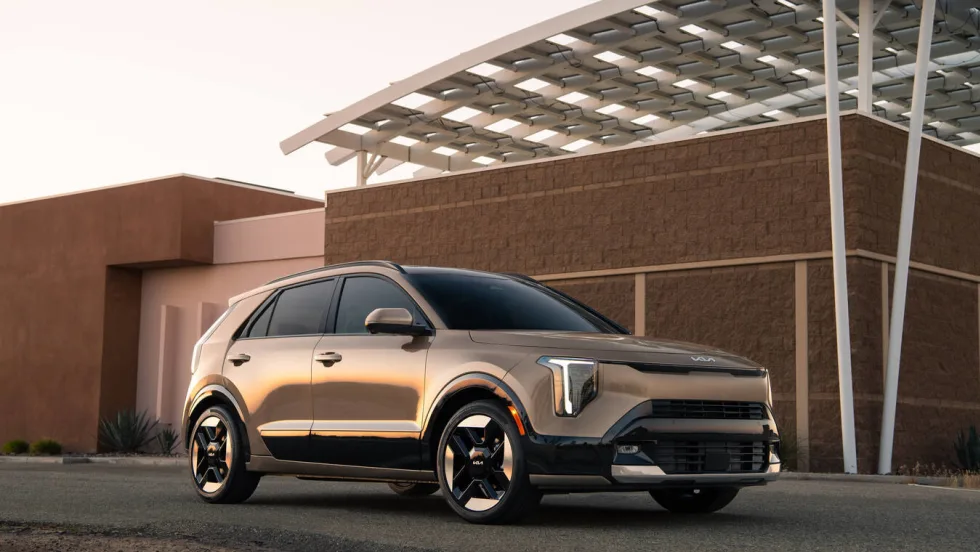
Kia Closes Out Summer With a Bang
Its U.S. subsidiary broke multiple records in August, in part due to a surge of demand for hybrids models.
Read More →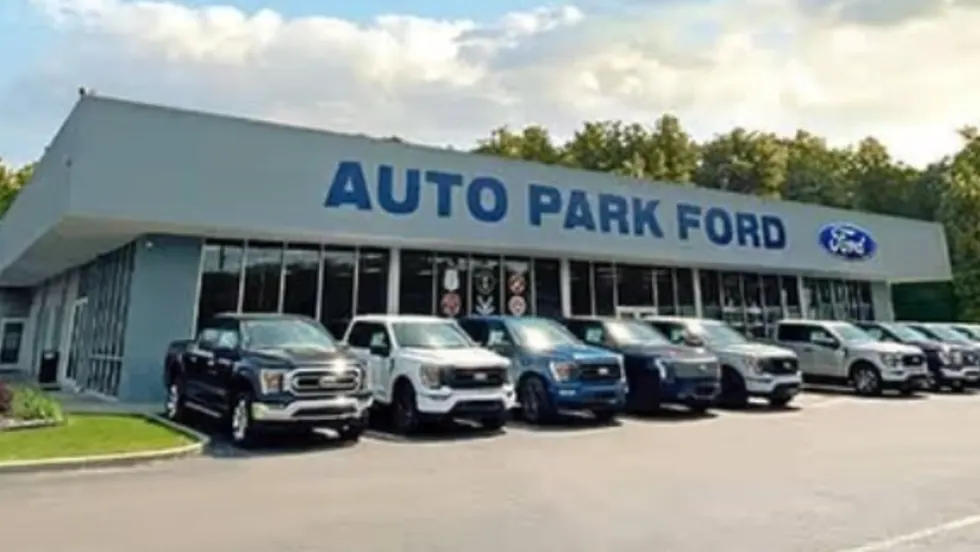
Indiana Dealership Changes Hands
A 30-year-old Ford dealership in Indiana has a new owner and will soon be undergoing renovations to meet manufacturer requirements.
Read More →
Texas Dealership No Longer in the Family
The Ford store, a longtime cornerstone of the Houston market, is now part of one of the fastest-growing U.S. auto groups.
Read More →
Genesis Grows California Presence
The Cardinale Automotive Group opened its third Genesis rooftop in the Golden State, Genesis of San Bruno, a stand-alone dealership serving the San Francisco Bay Area.
Read More →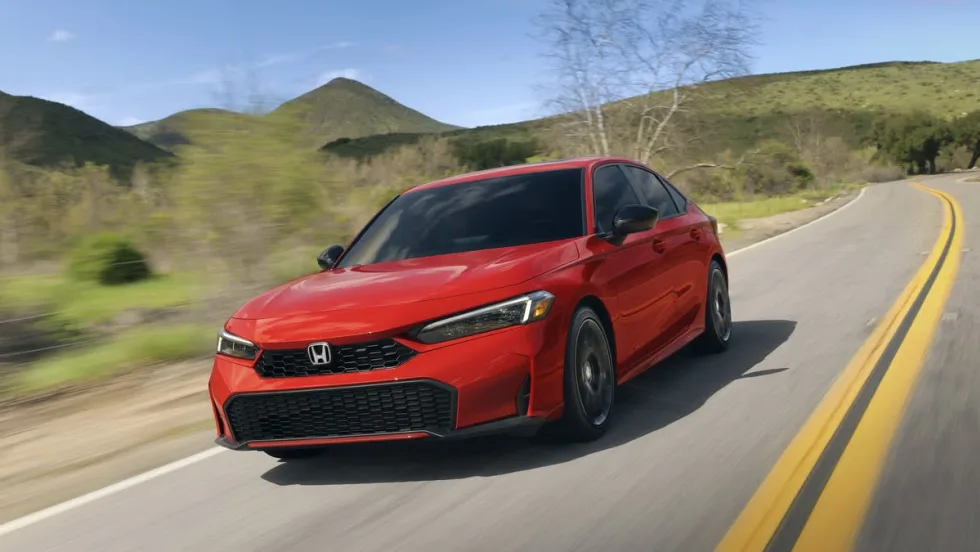
August Auto Sales a Mixed Bag
An early forecast shows strong business despite consumer hurdles, and hybrids are a big piece of their affordability coping strategy.
Read More →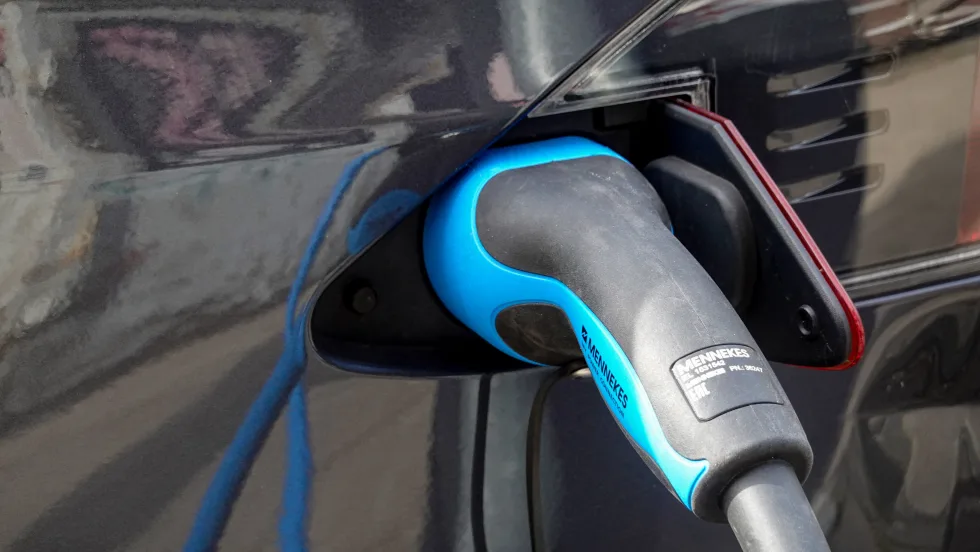
EV Market Humming Along
July sales show steady growth as the segment stabilizes from last year’s artificial surge following pullback of federal support.
Read More →
Auto Loan Delinquency Rates Stabilize
Auto loans are a main driver of nonmortgage consumer debt, but delinquency rates stabilized in the second quarter across all credit risk tiers.
Read More →
EV Sales Recover in Q2
The EV sales roller coaster continues as numbers show improvement, but industry experts predict a year-over-year third-quarter decline and fourth-quarter jump.
Read More →
The Cheapest Hybrids to Fuel
The powertrain is increasing in popularity, in no small part due to its fuel economy. A new report lists the most efficient hybrids on the market.
Read More →
Hybrids and SUVs Gaining Ground
The most recent Kelley Blue Book Brand Watch found that only two nonluxury brands increased in shopper consideration, buoyed by their hybrid and SUV offerings.
Read More →