


EV Battery Rules Delay Debated
Auto industry advocate praises move while mining group says it helps China.


The treasury department delayed enforcement of the battery-sourcing restrictions until 2027, giving automakers more time to reach compliance and opening more models to federal tax credits tied to the restrictions.
Pexels/Mikhail Nilov
When the U.S. government temporarily loosened regulation last week that curbs electric-vehicle battery materials sourced from China and other countries, a debate ensued about the wisdom of the move.
The Alliance for Automotive Innovation praised the delay, saying it will take more time to increase domestic production of the materials.
“The EV transition requires nothing short of a complete transformation of the U.S. industrial base. That’s a monumental task that won’t – and can’t – happen overnight,” said alliance President John Bozzella in a press release.
“This updated guidance from the Treasury Department is something we recommended. It makes good sense for investment, job creation and consumer EV adoption.”
Meanwhile, U.S. mining industry advocates criticized the enforcement delay, saying it gives China an edge.
“Congress created these tax incentives to secure our supply chains and generate American jobs while supporting EV adoption; they did not intend for loopholes to be created that essentially amount to a blank check from the American Taxpayer to China,” said National Mining Association President and CEO Rich Nolan.
The treasury department delayed enforcement of the battery-sourcing restrictions until 2027, giving automakers more time to reach compliance and opening more models to federal tax credits tied to the restrictions.
“The Treasury rules appear to recognize the realities of the global supply chain by providing some temporary flexibility in terms of where the critical minerals in EV batteries can be sourced,” Bozzella said. “That’s helpful as more automotive supply chains and battery production is localized to the U.S. and our allies.”
The alliance says 13 models for sale in the U.S. qualify for the full $7,500 tax credit.
Originally posted on Auto Dealer Today
More Industry

First-Half Dealership Deals Up
Buy-sell activity shows that acquirers are looking for value and scale as many retailers seek to leave an increasingly competitive and complex market, Kerrigan Advisors reports.
Read More →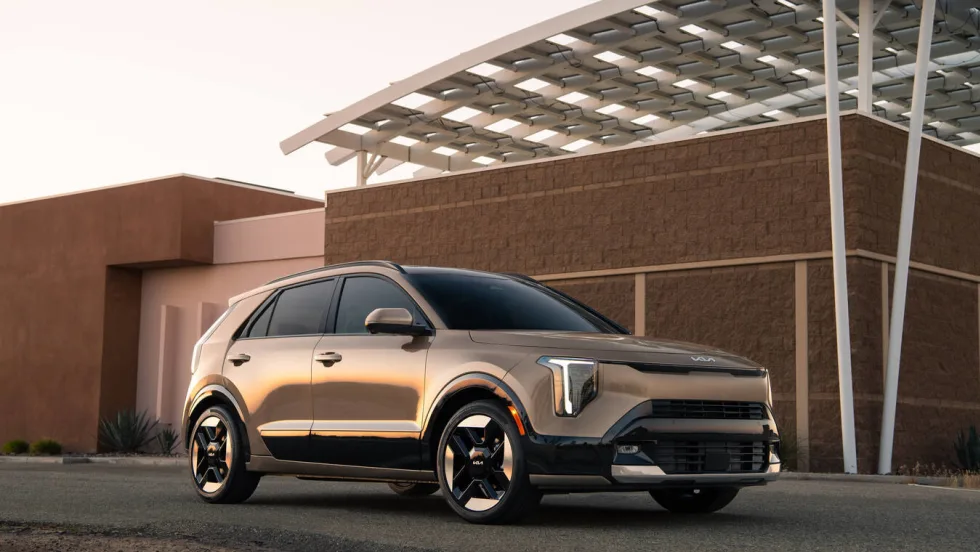
Kia Closes Out Summer With a Bang
Its U.S. subsidiary broke multiple records in August, in part due to a surge of demand for hybrids models.
Read More →
Indiana Dealership Changes Hands
A 30-year-old Ford dealership in Indiana has a new owner and will soon be undergoing renovations to meet manufacturer requirements.
Read More →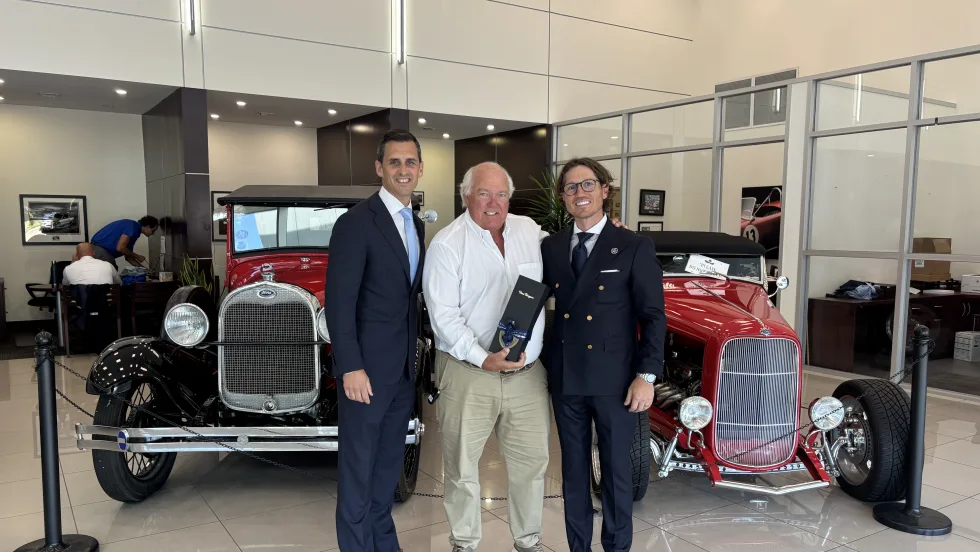
Texas Dealership No Longer in the Family
The Ford store, a longtime cornerstone of the Houston market, is now part of one of the fastest-growing U.S. auto groups.
Read More →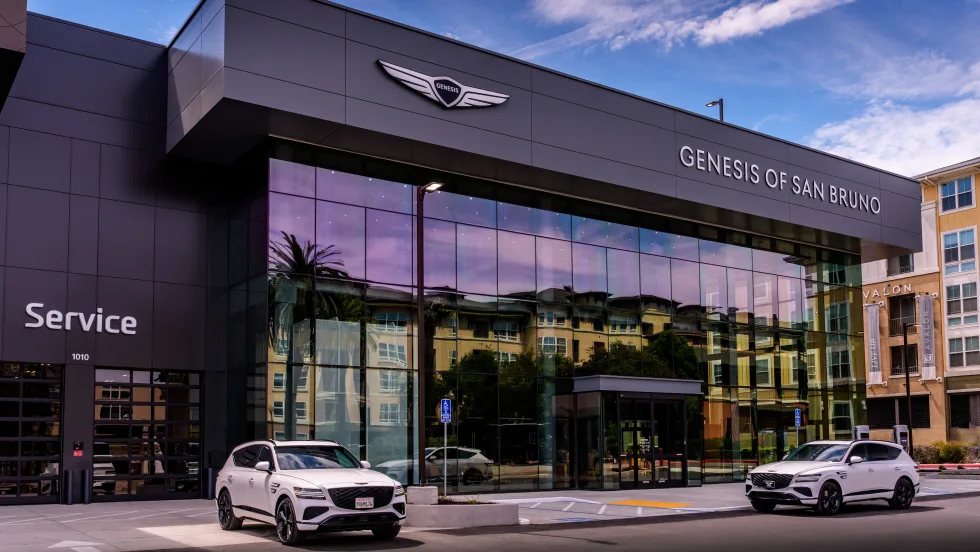
Genesis Grows California Presence
The Cardinale Automotive Group opened its third Genesis rooftop in the Golden State, Genesis of San Bruno, a stand-alone dealership serving the San Francisco Bay Area.
Read More →
August Auto Sales a Mixed Bag
An early forecast shows strong business despite consumer hurdles, and hybrids are a big piece of their affordability coping strategy.
Read More →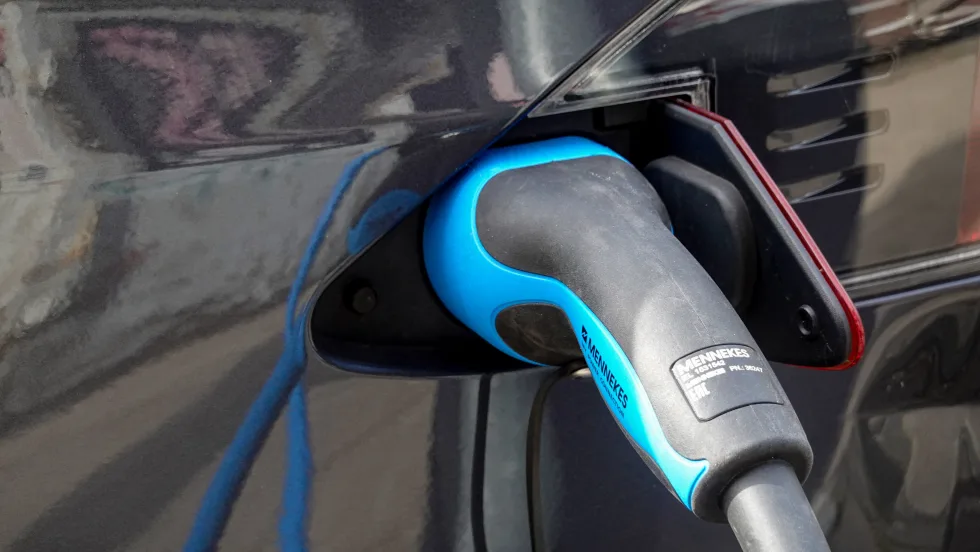
EV Market Humming Along
July sales show steady growth as the segment stabilizes from last year’s artificial surge following pullback of federal support.
Read More →
Auto Loan Delinquency Rates Stabilize
Auto loans are a main driver of nonmortgage consumer debt, but delinquency rates stabilized in the second quarter across all credit risk tiers.
Read More →
EV Sales Recover in Q2
The EV sales roller coaster continues as numbers show improvement, but industry experts predict a year-over-year third-quarter decline and fourth-quarter jump.
Read More →
The Cheapest Hybrids to Fuel
The powertrain is increasing in popularity, in no small part due to its fuel economy. A new report lists the most efficient hybrids on the market.
Read More →