


EV Consideration Falls Further
Study shows fewer shoppers are likely to buy one. J.D. Power says education on incentives could help win more over.

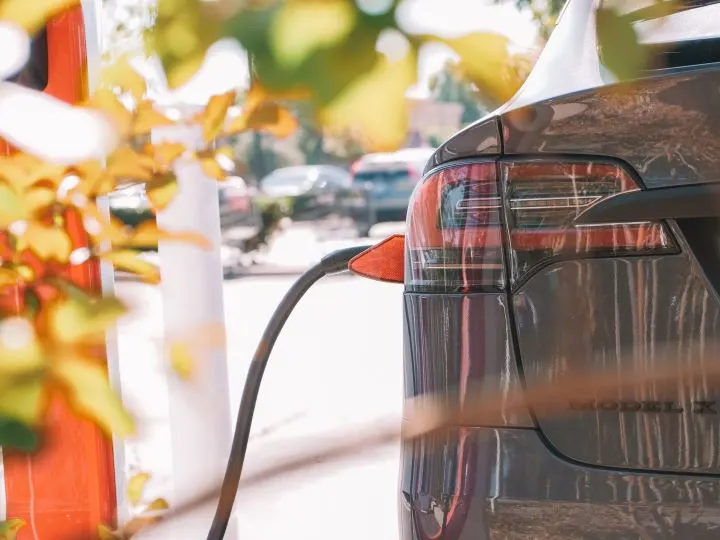
The study shows lesser reasons for reduced demand include lower fuel prices over the past year; inflation; high interest rates; and slowed growth in model availability.
Pexels/Kindel Media
The percentage of consumers considering buying an electric vehicle fell over the past year for the first time in the four years of J.D. Power’s annual study.
The result comes as no surprise, since EV interest has been fading of late after the surge of early adopters, and automakers have reacted by scaling back production plans and targets of fully electric lineups to refocus on hybrids.
The J.D. Power study, fielded from January through April, found that 24% of new-vehicle shoppers say they’re very likely to consider buying an EV, down from 26% a year earlier. Interest even fell among the youngest shoppers. Those who indicate they’re “overall likely” to consider buying one fell from 61% to 58%.
The top reasons for hesitancy remained the same: higher prices, concern about lack of public charger availability, and what J.D. Power describes as “lack of knowledge regarding the EV ownership proposition,” including incentives.
Educating consumers about available EV incentives can help convince more shoppers to buy one, Executive Director of EV Intelligence Stewart Stropp in a press release on the study results.
“As understanding of EV incentives rises, so does the likelihood of consideration. However, approximately 40% of shoppers say they do not have a solid understanding of such incentives. Prioritizing initiatives and efforts to educate consumers about the EV proposition—including available incentives and how they work—is vital to accelerating market growth.”
The study shows other reasons driving reduced demand include lower fuel prices over the past year; inflation; high interest rates; and “underwhelming growth in model availability.”
“In previous years, the number of viable EVs that met shoppers’ needs increased substantially year over year,” Stropp said. “This year, it’s been more incremental. Several automakers have deferred EV launch and production plans and have shifted more focus toward hybrids and plug-in hybrids, so we’re seeing a lot of shoppers who still haven’t found an EV that checks all the boxes.”
Originally posted on Auto Dealer Today
More Industry

First-Half Dealership Deals Up
Buy-sell activity shows that acquirers are looking for value and scale as many retailers seek to leave an increasingly competitive and complex market, Kerrigan Advisors reports.
Read More →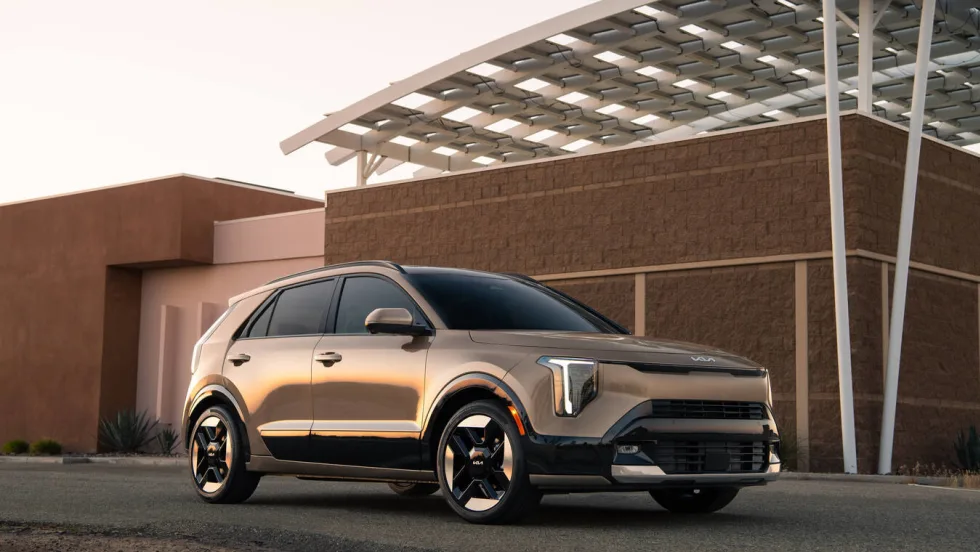
Kia Closes Out Summer With a Bang
Its U.S. subsidiary broke multiple records in August, in part due to a surge of demand for hybrids models.
Read More →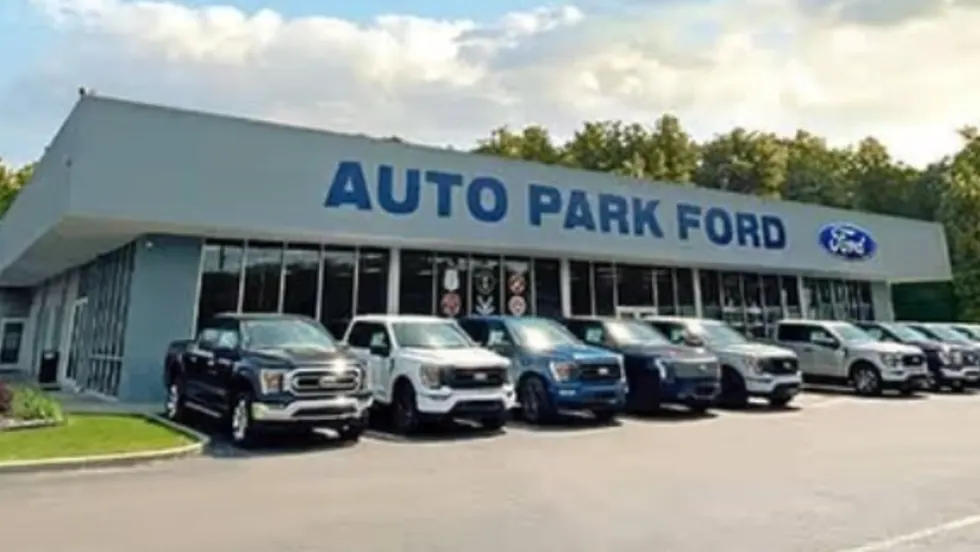
Indiana Dealership Changes Hands
A 30-year-old Ford dealership in Indiana has a new owner and will soon be undergoing renovations to meet manufacturer requirements.
Read More →
Texas Dealership No Longer in the Family
The Ford store, a longtime cornerstone of the Houston market, is now part of one of the fastest-growing U.S. auto groups.
Read More →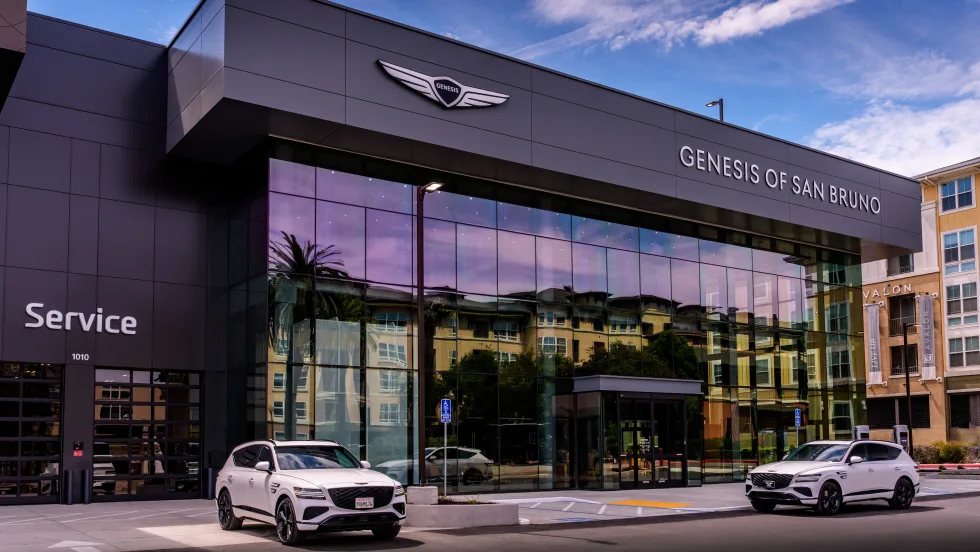
Genesis Grows California Presence
The Cardinale Automotive Group opened its third Genesis rooftop in the Golden State, Genesis of San Bruno, a stand-alone dealership serving the San Francisco Bay Area.
Read More →
August Auto Sales a Mixed Bag
An early forecast shows strong business despite consumer hurdles, and hybrids are a big piece of their affordability coping strategy.
Read More →
EV Market Humming Along
July sales show steady growth as the segment stabilizes from last year’s artificial surge following pullback of federal support.
Read More →
Auto Loan Delinquency Rates Stabilize
Auto loans are a main driver of nonmortgage consumer debt, but delinquency rates stabilized in the second quarter across all credit risk tiers.
Read More →
EV Sales Recover in Q2
The EV sales roller coaster continues as numbers show improvement, but industry experts predict a year-over-year third-quarter decline and fourth-quarter jump.
Read More →
The Cheapest Hybrids to Fuel
The powertrain is increasing in popularity, in no small part due to its fuel economy. A new report lists the most efficient hybrids on the market.
Read More →