


EV Picture Coming into Focus?
New studies show mixed results and adoption forecasts.
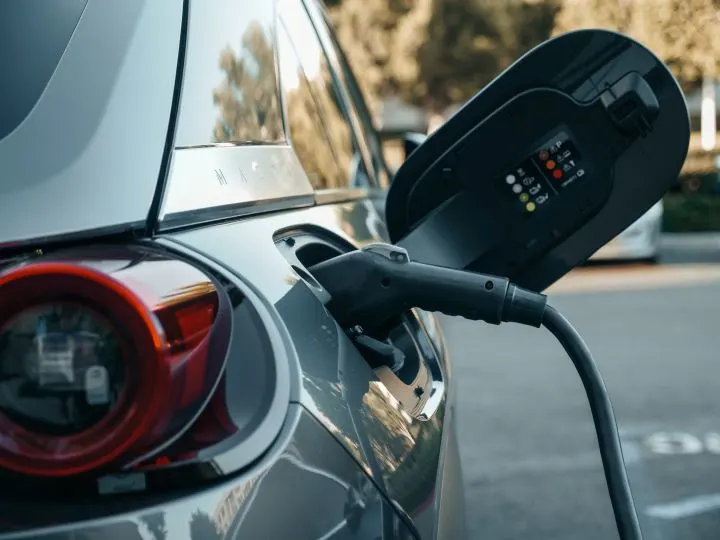
Two studies put U.S. EV adoption at 8% of new-vehicle sales, though that's down from peak levels.
Pexels/Kindel Media
Multiple electric-vehicle reports released this week give a mixed picture of adoption patterns.
One thing is clear: Buyers now have options if they choose to switch to electric, so it will be telling how adoption unfolds from this point.
J.D. Power pointed out that since multiple mainstream EV launches and trim expansions in the past couple of months, most premium and mass-market consumers now have EV options in their price points. It also pointed out that prices have fallen to their lowest levels so far, the average total cost of ownership for a premium EV dropping to $62,600 in May and to $58,100 for mass-market shoppers. In fact, many EVs are now more in reach than comparable gas-powered models, it said.
When polled, about 60% of consumers in the market for a new vehicle in the next 12 months said they’re very or somewhat likely to consider an EV, up about one percentage point month-over-month though down from peak levels seen in the fourth quarter. Actual EV adoption rates have plateaued at a little over 8% since March, J.D. Power said.
“Consumer response to these changing market dynamics during the next several months will be a key indicator of future EV demand,” J.D. Power said.
In the second quarter, U.S. EV sales jumped 11% year-over-year to more than 330,000 units and 8% of new-vehicle deliveries, according to Cox Automotive, which called that a record that came despite 6% lower Tesla deliveries. Along with more model choice, it credits greater discounts and increased leases.
“This increased competition is leading to continued price pressure, gradually boosting EV adoption,” said Cox Industry Insights Director Stephanie Valdez.
The quarterly results may reflect enough sustained growth to point to mass-market adoption. A study released by startup Recurrent and based on Boston Consulting Group and International Energy Agency projections estimates that EVs will reach 50% market share in the U.S. by 2030.
Recurrent, which provides battery reports for used EVs, anticipates used EV sales growth triggered by a coming wave of off-lease vehicles in the first quarter of 2026.
Meanwhile, worldwide EV sales growth slowed last year, according to a report by Munich-based management consultancy Roland Berger. Global EV deliveries grew 33%, down sharply from the more than 100% bump in 2022. The average EV share of new-vehicle registrations rose 20% - up from 14% the previous year - but fell in some established markets, such as Germany and South Korea.
The study blamed inflation, high electricity prices and curbed subsidies as governments focus more on building charging infrastructure, the lack of which curtails adoption.
LEARN MORE: Final Fuel-Economy Rule Sets Lower Bar
Originally posted on Auto Dealer Today
More Industry
Charger Network Growth Slows
Despite a projected increase in public EV chargers in 2026, charging infrastructure remains a top concern for consumers as the gap between the most and least EV-friendly places remains substantial.
Read More →
Lenders, Consumers Take on More Auto Loan Risk
September records loosened credit access the most in over a decade as buyers took advantage of the conditions to afford trading, though loan applications fell.
Read More →
Next-Gen Hybrids in Sight
Dealerships can expect to see revamped hybrids from Honda next year as the company rolls out a new system and model lineup.
Read More →
Gem State Stores Change Hands
A larger auto group founded in the industry’s early years sold two franchises to a neighbor group that's on a growth spurt.
Read More →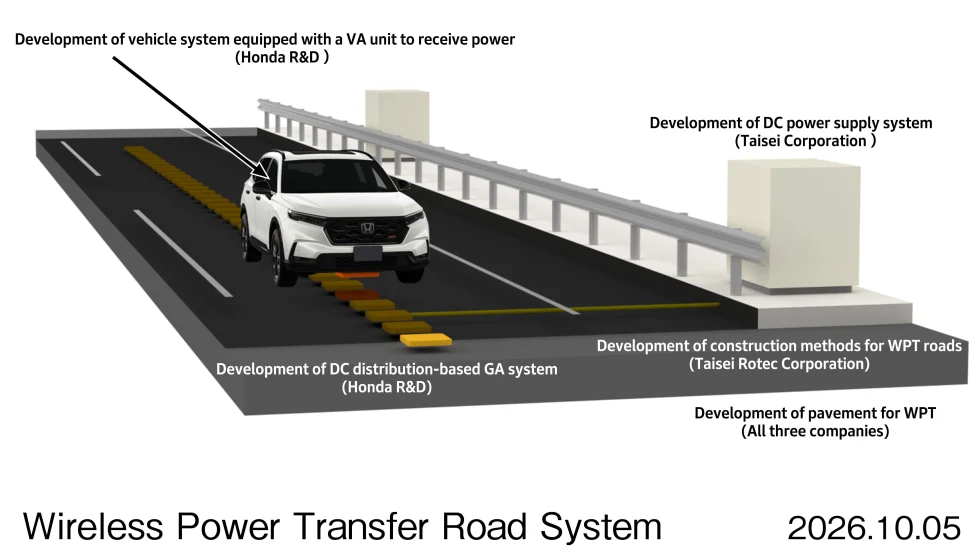
Charging In Motion
Honda has been researching wireless in-motion charging for electric vehicles since 2025, and new technology developments have put it a step closer to a final product.
Read More →
Twin Cities Stores Sell
Minnesota-based Walser Automotive Group made what it called the most significant acquisition in its history with a three-rooftop deal in Minneapolis.
Read More →
U.S. Auto Sales Still Below Prepandemic Levels
Mobility Global industry observers don’t expect the market to return to the higher volumes that became routine before Covid but to stay well below its potential.
Read More →
The Powertrain Shift
Electric-vehicle owners are backpedaling, according to new data, with product availability driving many to shift back to gas-powered engines.
Read More →
Achromatic Autos
The shades that dominate the U.S. car market don’t call attention to themselves, though grayscale may have plateaued after a 30-year upswing, research shows.
Read More →
Used-Vehicle Affordability Worsens
Listing prices in August defied seasonal trends, rising above $27,000 for the second time this year.
Read More →