


EV Sales Skyrocket in Q2
US auto retailers sold 300,000 new EVs, an increase of 48.4% year-over-year and a record for any quarter.

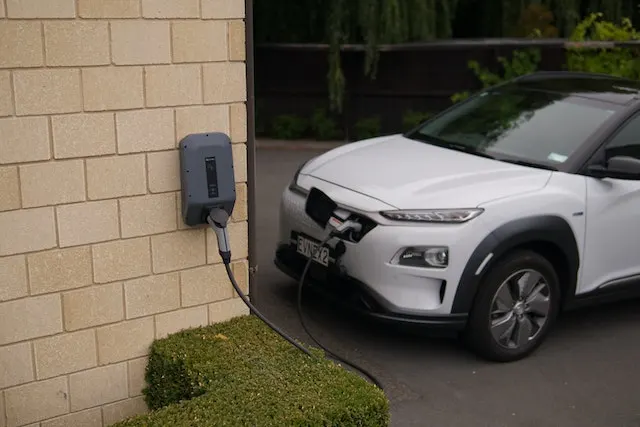
Cox Automotive forecasts the U.S. will welcome one million new EVs in 2023.
Ed Harvey, Pexels
Though the U.S. sold a record number of full battery-electric vehicles in the second quarter, Cox Automotive predicts dealers will fight to maintain that momentum.
According to Cox, U.S. auto retailers sold 300,000 new EVs, an increase of 48.4% year-over-year and a record for any quarter. U.S. EV share was 7.2%, up from 5.7% but down from the first-quarter high of an upwardly revised 7.3%.
Overall, Cox expects the country to welcome one million new EVs to its roads this year.
However, the data provider also reports that in late June, day’s supply of EVs jumped to over 100 compared to the industry average of 53 for internal combustion engine vehicles.
That leads Cox to predict that collaboration across many parties will be necessary to push EV sales.
“Building EVs is one thing, and many in the industry are proving excellent at that skill. Selling EVs is something different altogether,” Cox Automotive writes in “Electric Vehicle Sales in Q2 Strike Another Record, but Growth Ahead Will Be Hard Fought.” “Yes, EV sales records will continue to be set, and EV growth will continue to outpace overall industry growth, but the days of 75% year-over-year growth are in the rearview mirror. The hard-growth days are ahead.”
Cox also reported the following EV sales highlights for the second quarter:
Tesla remained the top seller in the U.S., selling over 175,000 units, a 34.8% increase from the previous quarter.
Tesla and other car manufacturers' price cuts and above-average incentive levels helped drive EV sales.
The average price paid for an EV was down nearly 20% year-over-year in June.
Tesla’s share of U.S. EV sales fell below 60% for the first time. Still, Chevrolet came in as a distant second. In fact, Tesla outsold Chevrolet 10 to one. Ford took third place in EV sales, while Hyundai came in fourth. Newcomer Rivian sold over 20,000 units.
Modelwise, one of every three EVs sold last quarter was a Tesla Model Y. Tesla's Model 3 sales, when combined with Model Y sales, constitute 50% of the U.S. electric vehicle market. The Model S, which was once the leader among high-end EVs, lost its top spot. In the super-luxury EV sedan market, the BMW i4 EV sedan is now the leader, having sold 6,777 units in the quarter.
Originally posted on Auto Dealer Today
More Industry

Charger Network Growth Slows
Despite a projected increase in public EV chargers in 2026, charging infrastructure remains a top concern for consumers as the gap between the most and least EV-friendly places remains substantial.
Read More →
Lenders, Consumers Take on More Auto Loan Risk
September records loosened credit access the most in over a decade as buyers took advantage of the conditions to afford trading, though loan applications fell.
Read More →
Next-Gen Hybrids in Sight
Dealerships can expect to see revamped hybrids from Honda next year as the company rolls out a new system and model lineup.
Read More →
Gem State Stores Change Hands
A larger auto group founded in the industry’s early years sold two franchises to a neighbor group that's on a growth spurt.
Read More →
Charging In Motion
Honda has been researching wireless in-motion charging for electric vehicles since 2025, and new technology developments have put it a step closer to a final product.
Read More →
Twin Cities Stores Sell
Minnesota-based Walser Automotive Group made what it called the most significant acquisition in its history with a three-rooftop deal in Minneapolis.
Read More →
U.S. Auto Sales Still Below Prepandemic Levels
Mobility Global industry observers don’t expect the market to return to the higher volumes that became routine before Covid but to stay well below its potential.
Read More →
The Powertrain Shift
Electric-vehicle owners are backpedaling, according to new data, with product availability driving many to shift back to gas-powered engines.
Read More →
Achromatic Autos
The shades that dominate the U.S. car market don’t call attention to themselves, though grayscale may have plateaued after a 30-year upswing, research shows.
Read More →
Used-Vehicle Affordability Worsens
Listing prices in August defied seasonal trends, rising above $27,000 for the second time this year.
Read More →