


EV Tax Credits on Chopping Block
Meanwhile, plentiful supply creates sales opportunities.

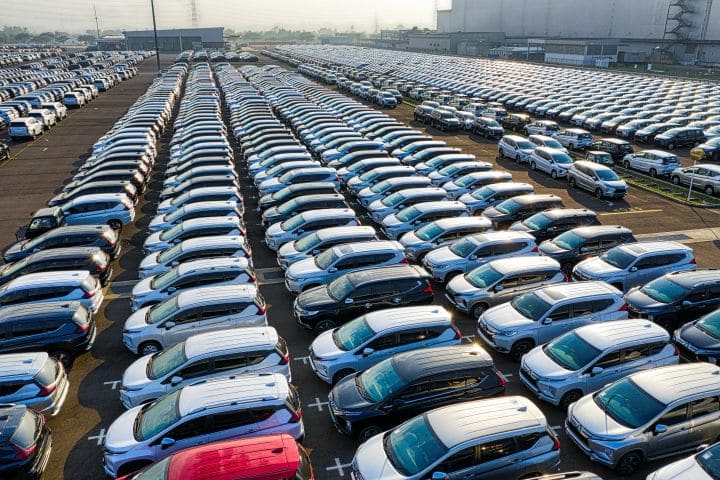
Some of the first-quarter EV sales surge came in consumers getting ahead of any trade tariff push on vehicle prices.
Pexels/Tom Fisk
As the Trump administration and congressional Republicans target electric-vehicle subsidies, consumers have a potentially fading chance to get deals, just as EV prices have come in line with gas-powered models.
House Republicans proposed this week to eliminate tax credits of up to $7,500 for EV purchases that have boosted sales of electrified vehicles and put EV transaction prices on par with those for internal combustion engine vehicles.
Combined with axing incentives for clean-energy production, the tax credit tanking would go toward the Trump administration’s tax-cut package.
With the EV tax credits still in place, the average transaction price for EVs is now $45,600, just $500 more than for ICE vehicles, according to J.D. Power research.
The House GOP proposal would phase out the EV tax credits, ending them completely by the end of next year. At that point, the average EV ATP would tick back up to $51,200, J.D. Power said.
The figures don’t take into account any inflation related to U.S. trade tariffs, which are still very much in flux.
Meanwhile, consumers can take advantage of plentiful EV inventory on dealer lots, which totaled about 155,000 new units this month, according to J.D. Power. It pointed out that the existing inventory also isn’t subject to tariffs because it was already in place before they took effect.
Automakers have introduced more EV models to answer regulatory pressures, bringing the number available on the U.S. market to more than 60, J.D. Power said. With the broad selection and lower ATPs, market share jumped 18% year-over-year in the first quarter, most of it from mass-market consumers.
Some of the first-quarter EV sales surge came in consumers getting ahead of any trade tariff push on vehicle prices.
If the EV purchase tax credits indeed end, it’s unknown if the cost difference will be passed along to consumers and how the change will affect EV sales.
Originally posted on F&I and Showroom
More Industry
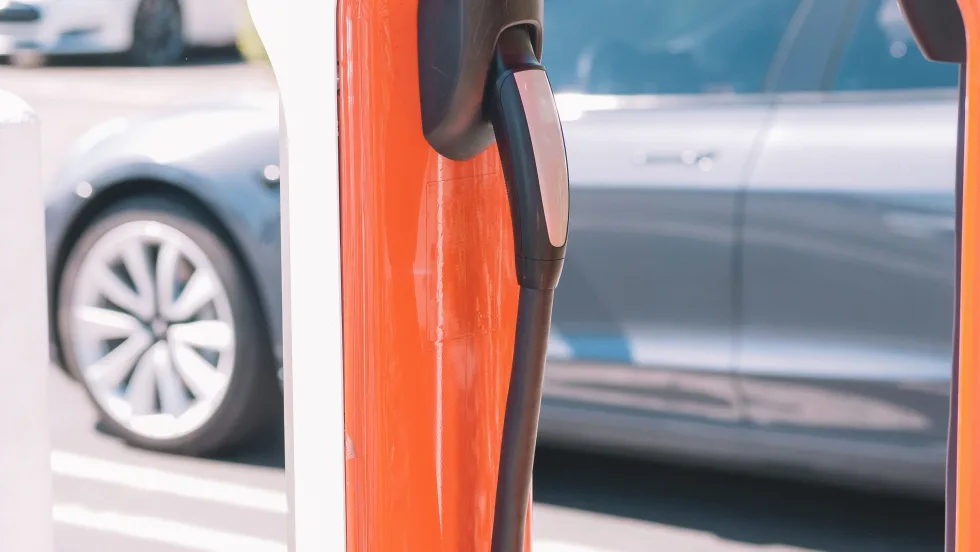
Charger Network Growth Slows
Despite a projected increase in public EV chargers in 2026, charging infrastructure remains a top concern for consumers as the gap between the most and least EV-friendly places remains substantial.
Read More →
Lenders, Consumers Take on More Auto Loan Risk
September records loosened credit access the most in over a decade as buyers took advantage of the conditions to afford trading, though loan applications fell.
Read More →
Next-Gen Hybrids in Sight
Dealerships can expect to see revamped hybrids from Honda next year as the company rolls out a new system and model lineup.
Read More →
Gem State Stores Change Hands
A larger auto group founded in the industry’s early years sold two franchises to a neighbor group that's on a growth spurt.
Read More →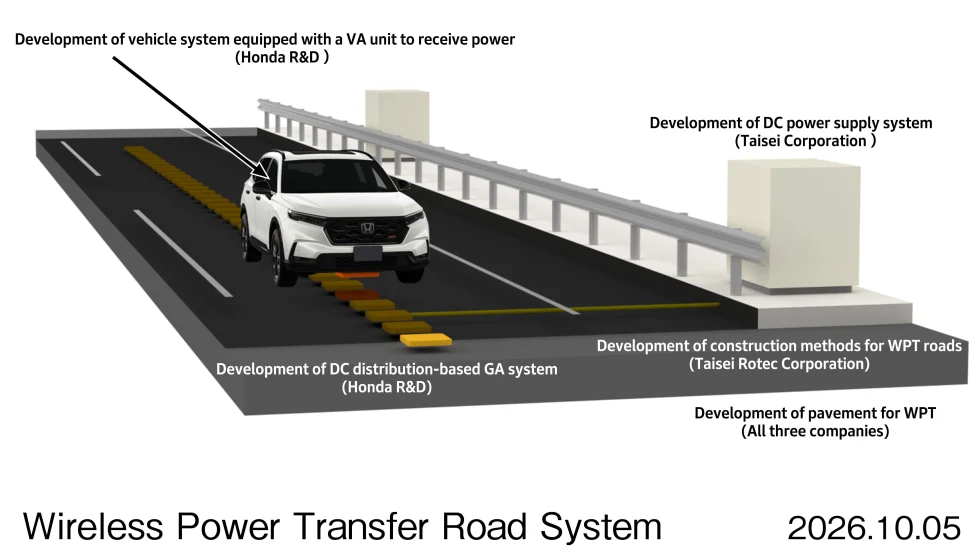
Charging In Motion
Honda has been researching wireless in-motion charging for electric vehicles since 2025, and new technology developments have put it a step closer to a final product.
Read More →
Twin Cities Stores Sell
Minnesota-based Walser Automotive Group made what it called the most significant acquisition in its history with a three-rooftop deal in Minneapolis.
Read More →
U.S. Auto Sales Still Below Prepandemic Levels
Mobility Global industry observers don’t expect the market to return to the higher volumes that became routine before Covid but to stay well below its potential.
Read More →
The Powertrain Shift
Electric-vehicle owners are backpedaling, according to new data, with product availability driving many to shift back to gas-powered engines.
Read More →
Achromatic Autos
The shades that dominate the U.S. car market don’t call attention to themselves, though grayscale may have plateaued after a 30-year upswing, research shows.
Read More →
Used-Vehicle Affordability Worsens
Listing prices in August defied seasonal trends, rising above $27,000 for the second time this year.
Read More →