


EVs Still in the Running
Consumer interest hasn’t waned despite growing obstacles.

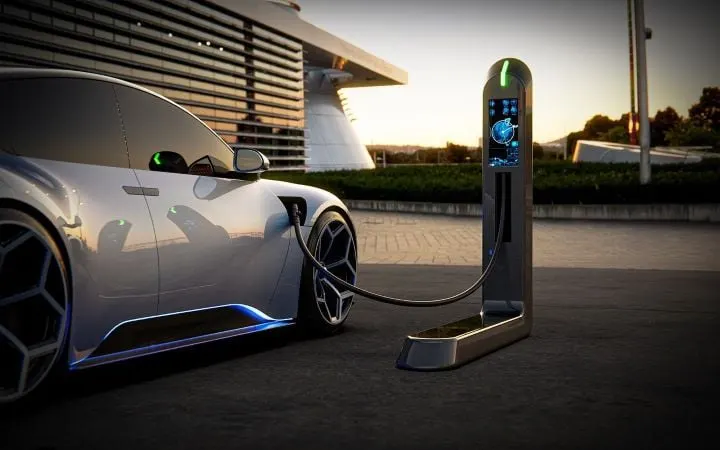
Concerns about inadequate public chargers continue to impede EV adoption, the research found.
Pixabay/LeeRosario
Demand for purely electric vehicles appears to be steady despite new and lingering challenges to adoption.
The fifth annual J.D. Power survey found stable interest among consumers in the market to buy or lease a new ride in the next 12 months.
Though the Republican-dominated federal government is targeting Biden-era electric-vehicle purchase incentives and infrastructure and manufacturing development, interest in EVs has stayed the same as a year ago, with 24% of consumers very likely to consider electric.
J.D. Power advises the auto industry to do more to tap the interest.
“… the industry needs to have products that meet consumer needs and wants at prices that are affordable,” said executive director of its EV practice, Brent Gruber. “Additionally, the industry should better educate consumers about EV ownership to ease concerns—many of which, such as those related to public charging, are less problematic than they might seem when it comes to actually owning an EV.”
Another 35% of survey respondents said they’re somewhat likely to buy an EV, also the same as last year.
The enduring adoption obstacle continued to be public charger availability, while purchase price and ownership cost concerns diminished slightly, the survey found.
Still, EV prices negatively affect adoption. Those most open to buying EVs, consumers 25 to 49, are least likely to be able to afford to, the survey found. Just 17% in that age range have annual incomes exceeding six figures. But the industry has made headway in meeting that demand.
“Much of the recent growth in the EV space has been fueled by products from mass market brands, which demonstrates the pent-up demand for more affordable products,” Gruber said.
In general, consumers who consider EVs tend to shop around. Those very likely to buy one kick an average of three brands’ EV tires, about the same as those somewhat likely to buy electric, J.D. Power said.
“As more EV options come to market, this should serve as an encouraging sign for automakers because it’s an opportunity for them to gain a foothold and pull shoppers from outside their brands,” Gruber said. “This year’s study results also show that EV shoppers consider products from mass market and premium brands alike, highlighting the opportunity to capture consumer interest with brands or products that shoppers may not have otherwise considered.”
The survey drew more than 8,100 responses from January through April.
Originally posted on Agent Entrepreneur
More Industry
Charger Network Growth Slows
Despite a projected increase in public EV chargers in 2026, charging infrastructure remains a top concern for consumers as the gap between the most and least EV-friendly places remains substantial.
Read More →
Lenders, Consumers Take on More Auto Loan Risk
September records loosened credit access the most in over a decade as buyers took advantage of the conditions to afford trading, though loan applications fell.
Read More →
Next-Gen Hybrids in Sight
Dealerships can expect to see revamped hybrids from Honda next year as the company rolls out a new system and model lineup.
Read More →
Gem State Stores Change Hands
A larger auto group founded in the industry’s early years sold two franchises to a neighbor group that's on a growth spurt.
Read More →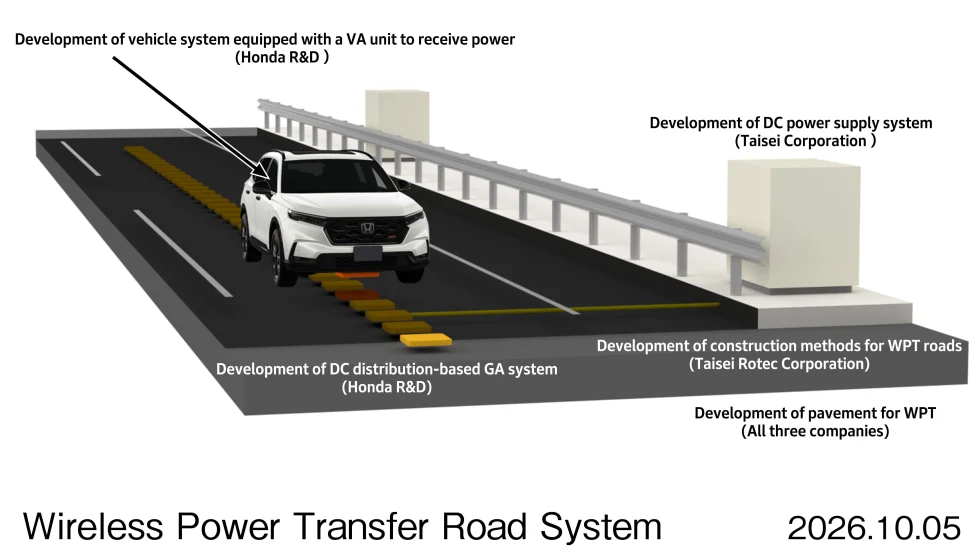
Charging In Motion
Honda has been researching wireless in-motion charging for electric vehicles since 2025, and new technology developments have put it a step closer to a final product.
Read More →
Twin Cities Stores Sell
Minnesota-based Walser Automotive Group made what it called the most significant acquisition in its history with a three-rooftop deal in Minneapolis.
Read More →
U.S. Auto Sales Still Below Prepandemic Levels
Mobility Global industry observers don’t expect the market to return to the higher volumes that became routine before Covid but to stay well below its potential.
Read More →
The Powertrain Shift
Electric-vehicle owners are backpedaling, according to new data, with product availability driving many to shift back to gas-powered engines.
Read More →
Achromatic Autos
The shades that dominate the U.S. car market don’t call attention to themselves, though grayscale may have plateaued after a 30-year upswing, research shows.
Read More →
Used-Vehicle Affordability Worsens
Listing prices in August defied seasonal trends, rising above $27,000 for the second time this year.
Read More →