


Feds Delay 2025 Fuel Efficiency Proposal Until November

The Obama administration says it will not meet its self-imposed deadline to unveil a proposed doubling of fuel efficiency standards to 54.5 miles per gallon by 2025 and instead will unveil the proposal in mid-November.
The National Highway Traffic Safety Administration said it will not meet a deadline set for releasing the proposal by the end of this month. Earlier this year, NHTSA and the Environmental Protection Agency said they would roll out their proposal in tandem with California, which has been considering its own state proposal, according to The Detroit News.
The complexity of setting rules for the 2017-25 time frame — expected to run more than 2,000 pages with supporting documents — is a key factor in the delay. Automakers aren't opposed to the delay because they are eager to see the administration get the rules right.
"The agreement in principle reached in July needs to be turned into a proposed multi-year rule and that takes some time, so we're not concerned about another couple of months for a rule that doesn't start until 2017," said Wade Newton, a spokesman for the Alliance of Automobile Manufacturers, the trade group representing Detroit's Big Three automakers, Toyota Motor Corp. and seven others.
Under the terms of a deal struck with 13 major automakers — including General Motors Co., Ford Motor Co., Chrysler Group LLC, Toyota, BMW AG and others — California will agree not to seek to impose its own state standards.
"Given the historic nature of this joint rule between EPA and DOT, as well as the necessary coordination with California, it was recently determined that additional time was needed, and we expect to issue a proposal for MY 2017-2025 vehicles by mid-November," NHTSA spokeswoman Lynda Tran said.
NHTSA and EPA have previously said they will finalize the rules by July — but that could also be pushed back.
"We are working to complete these historic fuel economy and greenhouse gas pollution reduction standards which will save consumers money, help protect the air we breathe and strengthen our national security by reducing our dependence on foreign oil," Tran said.
In July, President Barack Obama heralded the deal cut between his administration and major automakers, saying it will save consumers $1.7 trillion over the lifetime of those vehicles.
On a conference call with reporters in July, administration officials said cars would have to average 62 mpg by 2025 and light trucks 44 mpg to meet the government's fleetwide demand of 54.5 mpg.
The final fuel economy figure isn't clear; the EPA said in real-world driving, consumers should average 39 mpg.
The agreement gives hefty incentives for full-size pickups to become mild or full gas-electric hybrids, along with incentives for fuel-cell vehicles and electric vehicles.
But it offers no new incentives for diesel vehicles — much to the dismay of European automakers, which produce a lot of those vehicles in Europe.
Administration officials have offered no estimate on the plan's costs to automakers or consumers.
Automakers cited a study by the Center for Automotive Research in Ann Arbor that similar rules could cost as much as $150 billion, but some environmentalists have sharply disputed that.
More Industry
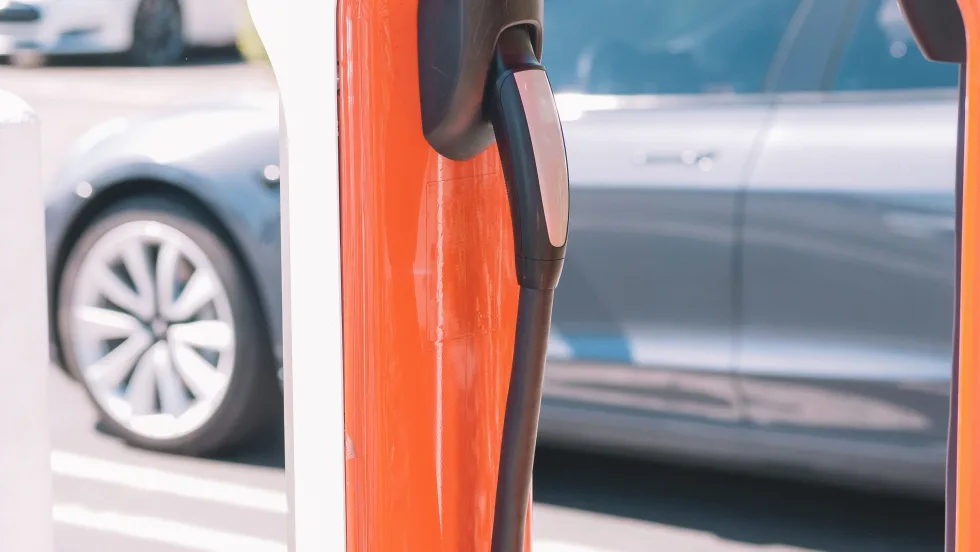
Charger Network Growth Slows
Despite a projected increase in public EV chargers in 2026, charging infrastructure remains a top concern for consumers as the gap between the most and least EV-friendly places remains substantial.
Read More →
Lenders, Consumers Take on More Auto Loan Risk
September records loosened credit access the most in over a decade as buyers took advantage of the conditions to afford trading, though loan applications fell.
Read More →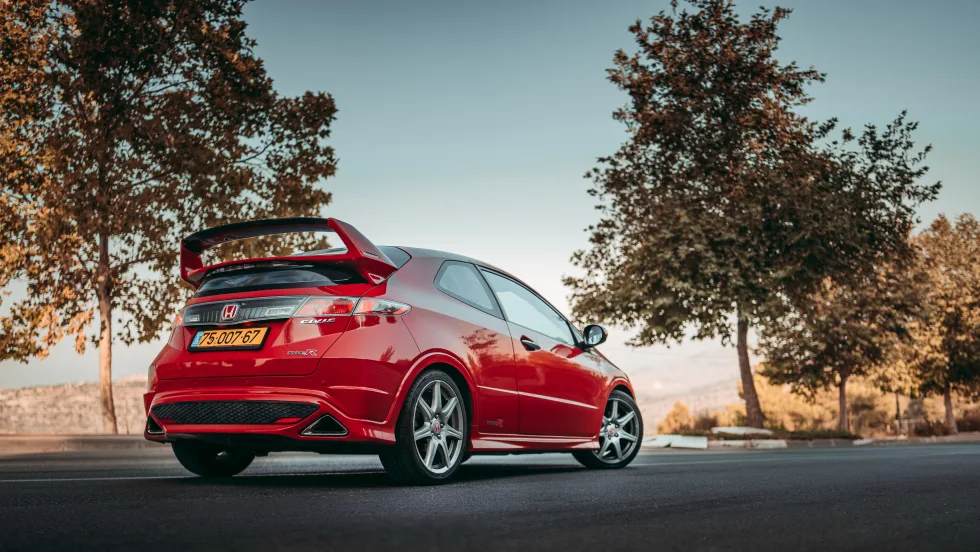
Next-Gen Hybrids in Sight
Dealerships can expect to see revamped hybrids from Honda next year as the company rolls out a new system and model lineup.
Read More →
Gem State Stores Change Hands
A larger auto group founded in the industry’s early years sold two franchises to a neighbor group that's on a growth spurt.
Read More →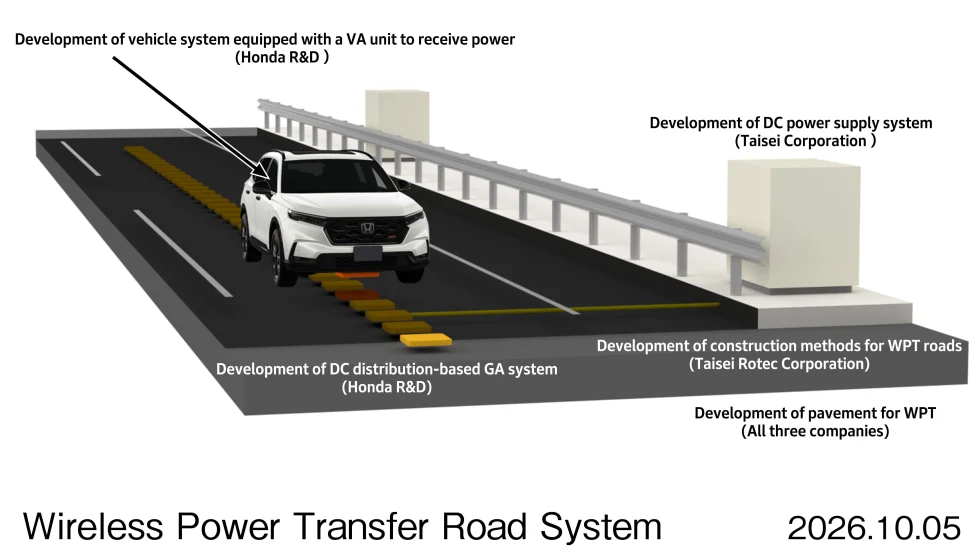
Charging In Motion
Honda has been researching wireless in-motion charging for electric vehicles since 2025, and new technology developments have put it a step closer to a final product.
Read More →
Twin Cities Stores Sell
Minnesota-based Walser Automotive Group made what it called the most significant acquisition in its history with a three-rooftop deal in Minneapolis.
Read More →
U.S. Auto Sales Still Below Prepandemic Levels
Mobility Global industry observers don’t expect the market to return to the higher volumes that became routine before Covid but to stay well below its potential.
Read More →
The Powertrain Shift
Electric-vehicle owners are backpedaling, according to new data, with product availability driving many to shift back to gas-powered engines.
Read More →
Achromatic Autos
The shades that dominate the U.S. car market don’t call attention to themselves, though grayscale may have plateaued after a 30-year upswing, research shows.
Read More →
Used-Vehicle Affordability Worsens
Listing prices in August defied seasonal trends, rising above $27,000 for the second time this year.
Read More →