


Feds Sued Over AEB Rule
Alliance for Automotive Innovation says its protests over some provisions weren’t heeded, seeks repeal over what it considers unrealistic requirements.


Group says lawsuit intended to ensure a rule to maximize driver and pedestrian safety 'is technologically feasible.'
Pexels/Taras Makarenko
An auto industry lobbying group sued the U.S. Department of Transportation over a 2024 rule that requires all new vehicles to come with automatic emergency brakes by the fall of 2029.
The Alliance for Automotive Innovation seeks repeal of the rule, saying certain aspects of it are impractical with current technology and that automakers have already voluntarily installed AEB systems on all new vehicles.
As the National Highway Traffic Safety Administration developed the rule, the alliance protested provisions requiring AEB systems to stop vehicles at speeds of up to 62 mph to avoid hitting vehicles in front of them and to detect pedestrians in daylight and at night, as well as a requirement that the brakes automatically engage at up to 90 mph when the vehicle is about to hit a lead vehicle and at up to 45 mph if the system detects a pedestrian in the car’s path.
The alliance said its lawsuit shouldn’t be interpreted as opposition to AEB systems or to their “widest possible deployment,” but as an attempt to make regulations around them realistic. It said automakers have in fact spent more than $1 billion developing the technology.
“… this litigation is about ensuring a rule that maximizes driver and pedestrian safety and is technologically feasible,” the alliance said in a statement on the lawsuit.
Originally posted on F&I and Showroom
More Industry
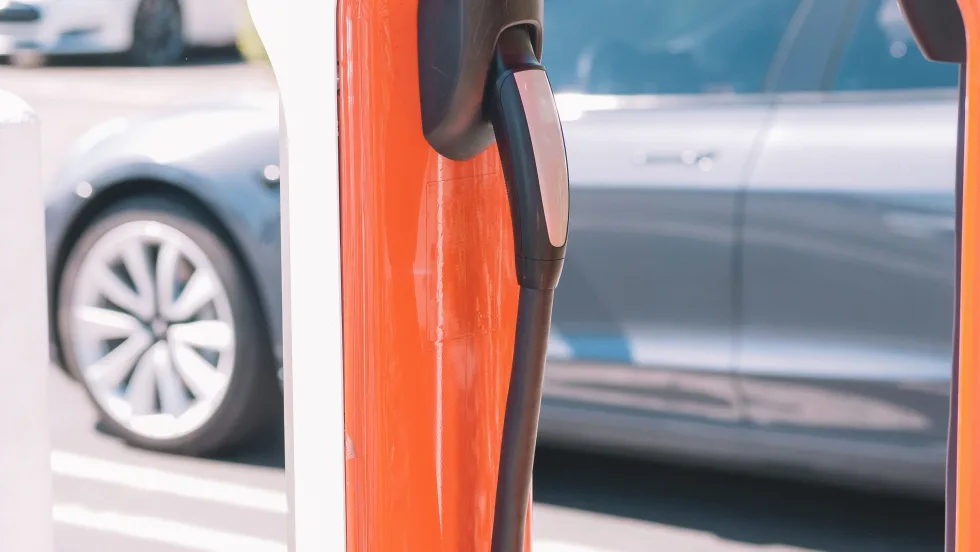
Charger Network Growth Slows
Despite a projected increase in public EV chargers in 2026, charging infrastructure remains a top concern for consumers as the gap between the most and least EV-friendly places remains substantial.
Read More →
Lenders, Consumers Take on More Auto Loan Risk
September records loosened credit access the most in over a decade as buyers took advantage of the conditions to afford trading, though loan applications fell.
Read More →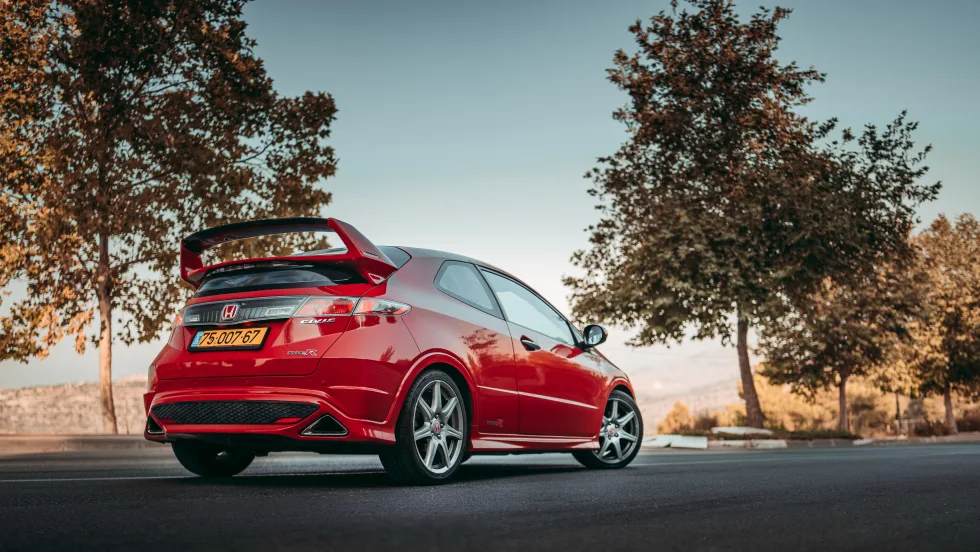
Next-Gen Hybrids in Sight
Dealerships can expect to see revamped hybrids from Honda next year as the company rolls out a new system and model lineup.
Read More →
Gem State Stores Change Hands
A larger auto group founded in the industry’s early years sold two franchises to a neighbor group that's on a growth spurt.
Read More →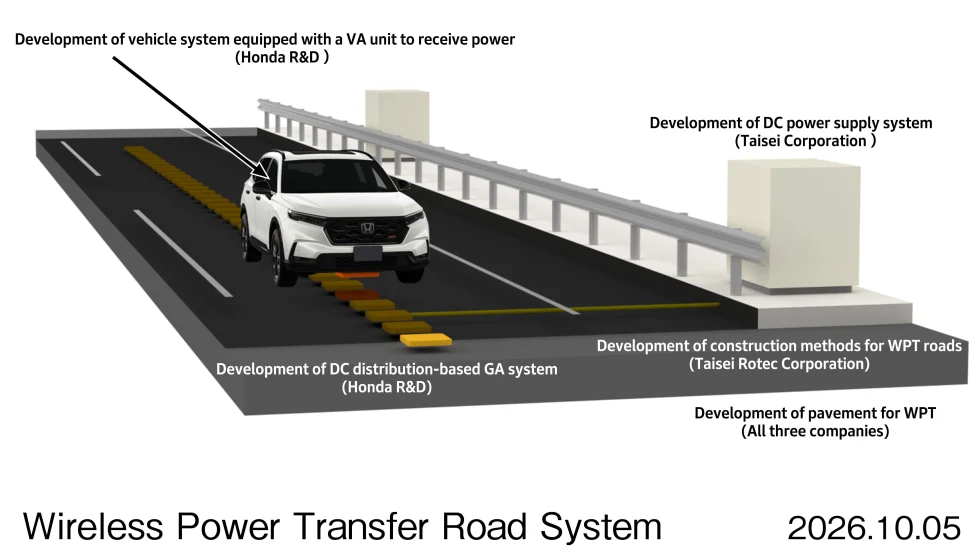
Charging In Motion
Honda has been researching wireless in-motion charging for electric vehicles since 2025, and new technology developments have put it a step closer to a final product.
Read More →
Twin Cities Stores Sell
Minnesota-based Walser Automotive Group made what it called the most significant acquisition in its history with a three-rooftop deal in Minneapolis.
Read More →
U.S. Auto Sales Still Below Prepandemic Levels
Mobility Global industry observers don’t expect the market to return to the higher volumes that became routine before Covid but to stay well below its potential.
Read More →
The Powertrain Shift
Electric-vehicle owners are backpedaling, according to new data, with product availability driving many to shift back to gas-powered engines.
Read More →
Achromatic Autos
The shades that dominate the U.S. car market don’t call attention to themselves, though grayscale may have plateaued after a 30-year upswing, research shows.
Read More →
Used-Vehicle Affordability Worsens
Listing prices in August defied seasonal trends, rising above $27,000 for the second time this year.
Read More →