


Fiat Raises Chrysler Stake To 30 Percent In Push To Gain Control Of U.S. Carmaker

Fiat SpA increased its Chrysler Group LLC holding to 30 percent, boosting Chief Executive Officer Sergio Marchionne’s chances of gaining control of the American carmaker before pursuing a share sale.
The CEO increased the holding by 5 percent after agreeing with the U.S. Treasury Department to sell Chrysler models under the Fiat badge in Brazil and Europe, the automakers said today. The deal meets a requirement that 90 percent of Fiat dealers in the two regions offer Chrysler products and allows the carmakers to avoid negotiating new dealership agreements, reported Bloomberg.
Marchionne, who runs both automakers, aims to increase Fiat’s stake to 51 percent by the end of 2011 as he prepares the Auburn Hills, Michigan-based company for an initial public offering. Marchionne is pushing Chrysler to post its first net profit this year since emerging from bankruptcy in 2009 as he works to close a refinancing deal to repay government loans.
“There’s no denying that they’re running ahead of their own schedule, and this lends further credibility to Marchionne’s claims of getting to a 51 percent stake,” said David Arnold, a London-based automotive specialist at Credit Suisse, which has an “underperform” rating on the stock. The bigger issue for Fiat is refinancing Chrysler’s debt, he said.
The U.S. Treasury and other holders approved the revised agreement on European and Brazilian sales within the past week, Chrysler spokeswoman Eileen Wunderlich said in a phone interview. Marchionne said in October meeting the original requirement was difficult because of regulations governing dealers in the South American nation, where Fiat has the largest share of the market.
Today’s deal also pools Chrysler and Fiat vehicles in Europe for emissions ratings, and compensates Chrysler for Fiat using its technology outside North America. An element that didn’t change required Chrysler to meet a goal of $1.5 billion in revenue outside North America.
“It broadens the Chrysler Group-Fiat partnership and then it enhances the Chrysler Group’s international position,” Wunderlich said of the plan.
Fiat traded down 5 cents, or 0.8 percent, to 6.47 euros as of 9:41 a.m. in Milan trading. The stock has declined 3.4 percent this year, valuing the Turin, Italy-based carmaker at 8.04 billion euros ($11.6 billion).
The United Auto Workers union’s retiree health-care trust now owns 59.2 percent of Chrysler, according to the statement. The U.S. Treasury holds 8.6 percent, while government entities in Canada have 2.2 percent.
Fiat agreed with the U.S. government after the bankruptcy to share technology and management with Chrysler in exchange for an initial 20 percent holding, with performance targets attached to the deal to increase the stake to 35 percent without paying any cash. Fiat can buy the remaining 16 percent needed to reach 51 percent.
Fiat may pay $1.14 billion to exercise its call option on the last 16 percent if Marchionne makes the purchase in 2011 and $1.37 billion if he buys it next year, according to JPMorgan Chase & Co. analyst Ranjit Unnithan, who has an “underweight” rating on the stock. The cost is linked to Chrysler’s earnings.
The Italian carmaker raised its stake to 25 percent in January after Chrysler began production of a Fiat-derived small engine in the U.S. Fiat expects to increase its holding to 35 percent by the fourth quarter after meeting a requirement for Chrysler to assemble a Fiat-derived car in the U.S. that gets 40 miles per gallon, Marchionne has said.
Fiat has 700 dealers in Latin America, including 550 in Brazil. Brazilian law prohibits Fiat from forcing the dealers to become Chrysler franchises, said Stephan Keese, head of the automotive practice for Roland Berger Strategy Consultants in Sao Paulo.
Brazil is Fiat’s second-largest market by revenue, trailing Italy. The company sold 761,400 passenger and light-commercial vehicles there last year. Chrysler delivered 3,952 vehicles in the country in 2010, according to J.D. Power & Associates, a market researcher based in Westlake Village, California.
Chrysler’s best-selling vehicle in Brazil is the Mexico- built Dodge Journey sport-utility vehicle, which starts at 82,900 reais ($52,300). The Journey begins at $22,245 in the U.S., according to the brand’s website. The automakers plan to rename the Journey as the Fiat Freemont for Brazil and Europe.
More Industry

Charger Network Growth Slows
Despite a projected increase in public EV chargers in 2026, charging infrastructure remains a top concern for consumers as the gap between the most and least EV-friendly places remains substantial.
Read More →
Lenders, Consumers Take on More Auto Loan Risk
September records loosened credit access the most in over a decade as buyers took advantage of the conditions to afford trading, though loan applications fell.
Read More →
Next-Gen Hybrids in Sight
Dealerships can expect to see revamped hybrids from Honda next year as the company rolls out a new system and model lineup.
Read More →
Gem State Stores Change Hands
A larger auto group founded in the industry’s early years sold two franchises to a neighbor group that's on a growth spurt.
Read More →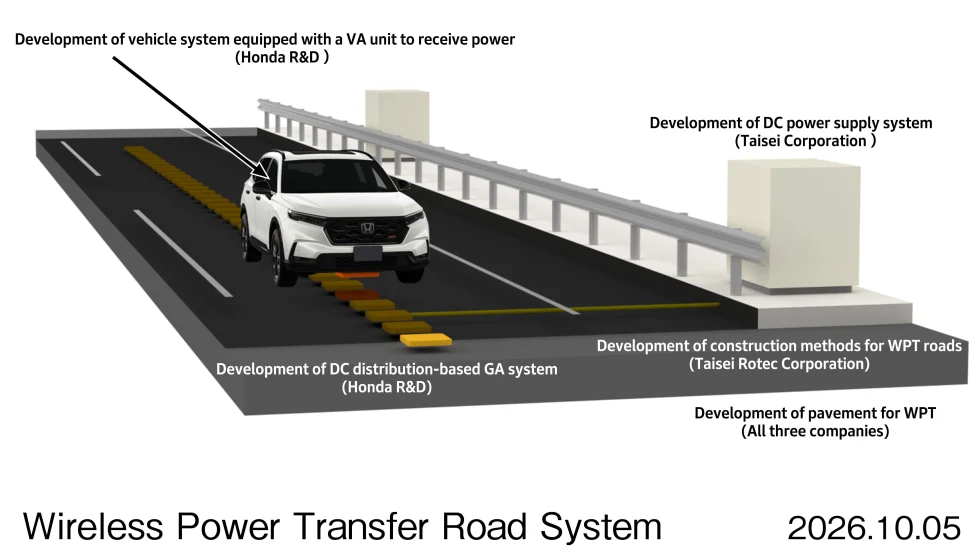
Charging In Motion
Honda has been researching wireless in-motion charging for electric vehicles since 2025, and new technology developments have put it a step closer to a final product.
Read More →
Twin Cities Stores Sell
Minnesota-based Walser Automotive Group made what it called the most significant acquisition in its history with a three-rooftop deal in Minneapolis.
Read More →
U.S. Auto Sales Still Below Prepandemic Levels
Mobility Global industry observers don’t expect the market to return to the higher volumes that became routine before Covid but to stay well below its potential.
Read More →
The Powertrain Shift
Electric-vehicle owners are backpedaling, according to new data, with product availability driving many to shift back to gas-powered engines.
Read More →
Achromatic Autos
The shades that dominate the U.S. car market don’t call attention to themselves, though grayscale may have plateaued after a 30-year upswing, research shows.
Read More →
Used-Vehicle Affordability Worsens
Listing prices in August defied seasonal trends, rising above $27,000 for the second time this year.
Read More →