


Final Fuel-Economy Rule Sets Lower Bar
Automakers must now achieve less-ambitious average for passenger cars, light trucks.

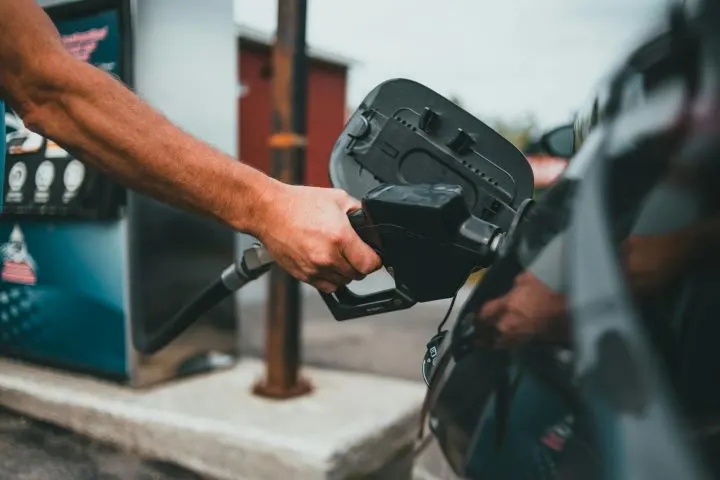
The new targets stand in stark contrast to the 13 miles per gallon the average U.S. vehicle got when Congress introduced fuel-economy standards in the 1970s.
Pexels/Erik McIean
The Biden administration finalized updated fuel-economy standards that are looser than proposed last year so that automakers can now achieve a lower bar over the next decade on new models’ fuel consumption.
Instead of an average fuel economy of about 58 miles per gallon for their fleets, companies must now achieve about a 54 miles per gallon threshold by 2032.
The bar-raising comes after demand for purely electric vehicles flattened in the U.S. following early adoption, failing to meet automakers’ ambitious estimates.
The new targets stand in stark contrast to the 13 miles per gallon that the average U.S. vehicle got when Congress introduced fuel-economy standards in the 1970s, the Department of Transportation said.
The final updated rule requires passenger cars’ fuel economy to increase 2% per year for model years 2027 to 2031 and light trucks’ to increase by the same measure for model years 2029 to 2031. The department said the gradual change will save owners more than $600 in fuel costs over their vehicles’ lifetimes and nealrly 70 billion gallons of gas by 2050.
“Not only will these new standards save Americans money at the pump every time they fill up, they will also decrease harmful pollution and make America less reliant on foreign oil,” U.S. Transportation Secretary Pete Buttigieg said in a press release.
The new rule complements a similarly scaled-back Environmental Protection Agency regulation of tailpipe emissions. Automakers can comply with the new standards with a mix of power train technologies, including hybrids and alternative-fuel vehicles.
Originally posted on Auto Dealer Today
More Industry

Charger Network Growth Slows
Despite a projected increase in public EV chargers in 2026, charging infrastructure remains a top concern for consumers as the gap between the most and least EV-friendly places remains substantial.
Read More →
Lenders, Consumers Take on More Auto Loan Risk
September records loosened credit access the most in over a decade as buyers took advantage of the conditions to afford trading, though loan applications fell.
Read More →
Next-Gen Hybrids in Sight
Dealerships can expect to see revamped hybrids from Honda next year as the company rolls out a new system and model lineup.
Read More →
Gem State Stores Change Hands
A larger auto group founded in the industry’s early years sold two franchises to a neighbor group that's on a growth spurt.
Read More →
Charging In Motion
Honda has been researching wireless in-motion charging for electric vehicles since 2025, and new technology developments have put it a step closer to a final product.
Read More →
Twin Cities Stores Sell
Minnesota-based Walser Automotive Group made what it called the most significant acquisition in its history with a three-rooftop deal in Minneapolis.
Read More →
U.S. Auto Sales Still Below Prepandemic Levels
Mobility Global industry observers don’t expect the market to return to the higher volumes that became routine before Covid but to stay well below its potential.
Read More →
The Powertrain Shift
Electric-vehicle owners are backpedaling, according to new data, with product availability driving many to shift back to gas-powered engines.
Read More →
Achromatic Autos
The shades that dominate the U.S. car market don’t call attention to themselves, though grayscale may have plateaued after a 30-year upswing, research shows.
Read More →
Used-Vehicle Affordability Worsens
Listing prices in August defied seasonal trends, rising above $27,000 for the second time this year.
Read More →