


Fitch Raises Ratings on Ford, Ford Motor Credit

Fitch Ratings has upgraded the issuer default rating for Ford Motor Company and Ford Motor Credit Company to 'B-' from 'CCC'; the outlook remains positive.
The upgrade is based on an improved macroeconomic environment, Ford's current cost/pricing/margin trends, product competitiveness, solid near-term product pipeline, liquidity position and cashflow prospects.
Fitch expects that Ford will turn cashflow positive in 2010 as an improving economic outlook and stabilizing retail financing availability allow the U.S. market to achieve an annualized run-rate of more than 11.5 million units in the second half of 2010.
An important factor in the upgrade is Ford Credit's improving access to capital for retail and dealer financing. Fitch had previously cited the factors listed below as rationale for an upgrade.
These points have been largely met, and will remain the drivers of future upgrades:
Industry sales rebound to an annual 12 million sales level more quickly than currently forecast;
Ford's products continue to hold or gain share;
Inventory management at Ford and the industry allows Ford to hold or improve product prices;
A clear path to positive free cash flow is projected;
Liabilities continue to be managed or addressed;
Independent access to capital by Ford Credit improves.
Fitch said Ford’s 1.2 percent gain in market share in 2009 demonstrated its competitiveness across product segments. Even in the event of a relatively flat rebound, Ford's cost-cutting realizations, market share performance, and pricing indicate that any cash drains will be limited and can be very comfortably managed within Ford's liquidity position.
Ford has been consistently disciplined in its production and inventory management, and this has allowed the company to demonstrate solid price performance through the first nine months of 2009. The step-changes to Ford's cost structure will have largely played out in the first half of 2010 (although a new buyout program was recently announced) meaning that margin restoration will become increasingly dependent on price/volume improvement.
Although pricing will remain a challenge for the overall industry, Ford's product competitiveness, technology features and healthy product pipeline over the next several years indicate that Ford should continue to outperform the industry. On the smaller end of its product lineup, where the consumer is migrating, Ford is exhibiting strong competitiveness.
Margins on these products are also expected to benefit from technology and content. Looking into 2011, it is assumed that the U.S. market could eventually reach an annualized sales level of 12.5 million units, at which point Ford's free cash flow could reach $4 billion-$5 billion. Further upgrades could occur in 2010 if the outlook for U.S. economic growth and industry sales continues to improve.
Liquidity remains strong at approximately $24 billion. Ford has demonstrated steady access to capital, including $2.9 billion in convertibles at Ford, repeated unsecured debt issues at Ford Credit in the last six months, and two non-TALF dealer floorplan issuances in the amount of $2 billion.
The improved access to credit by Ford Credit (although at a cost) is a primary factor in the upgrade. Ford will be receiving a total of $5.9 billion in loans from the Department of Energy. With improved liquidity prospects, Ford should be in a position in 2010 to begin the long process of repairing its balance sheet.
Ford's retention of Ford Credit is a positive to the company's credit and earnings profile, but the company will remain at a competitive disadvantage to transplant competitors with better access to capital and a lower cost of capital.
The upgrade of Ford Credit and its related subsidiaries reflects the strong linkage between the ratings of Ford Credit and Ford. In addition, Ford Credit has demonstrated the ability to finance its business independent of government programs on both a secured and unsecured basis, one key element driving the upgrade of Ford.
With approximately $24 billion available, Ford Credit's liquidity position is considered strong for the current rating.
More Industry

CPO Sales Could Take Off in the Right Conditions
A recent Cox Automotive consumer survey reveals the size of an undertapped market for the vehicle segment given affordability pressures.
Read More →
Global Consumer Trends Diverge
Price remains a top consideration for U.S. car buyers, and they are the most brand-loyal consumers to established automakers, according to a new survey.
Read More →
Badger State Dealership Gets New Owner
The longtime southern Wisconsin store moved from one area auto group to another, keeping the business in Dairyland.
Read More →
The Cycle of Negative Equity
Third-quarter data shows consumers still rolling over debt and stretching loan terms, raising their risk of remaining underwater.
Read More →
Charger Network Growth Slows
Despite a projected increase in public EV chargers in 2026, charging infrastructure remains a top concern for consumers as the gap between the most and least EV-friendly places remains substantial.
Read More →
Lenders, Consumers Take on More Auto Loan Risk
September records loosened credit access the most in over a decade as buyers took advantage of the conditions to afford trading, though loan applications fell.
Read More →
Next-Gen Hybrids in Sight
Dealerships can expect to see revamped hybrids from Honda next year as the company rolls out a new system and model lineup.
Read More →
Gem State Stores Change Hands
A larger auto group founded in the industry’s early years sold two franchises to a neighbor group that's on a growth spurt.
Read More →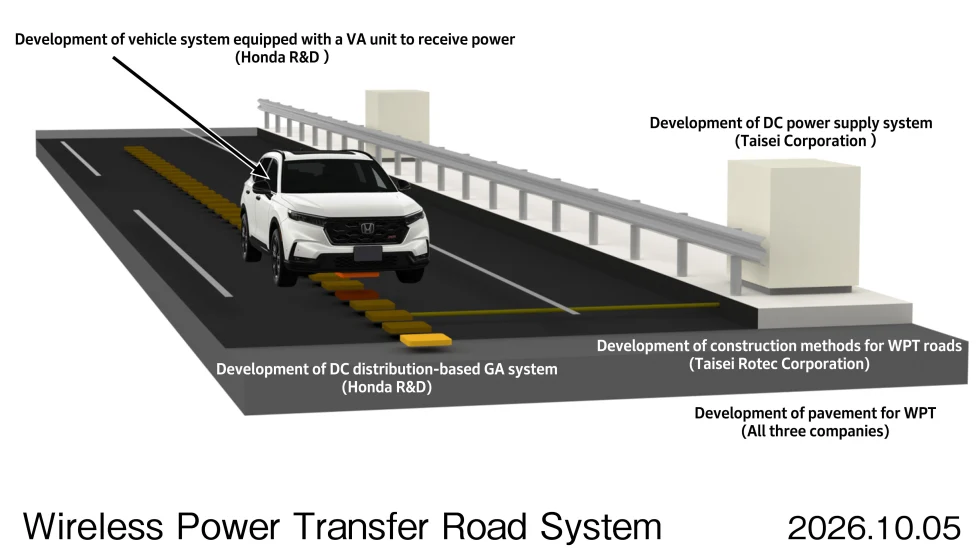
Charging In Motion
Honda has been researching wireless in-motion charging for electric vehicles since 2025, and new technology developments have put it a step closer to a final product.
Read More →
Twin Cities Stores Sell
Minnesota-based Walser Automotive Group made what it called the most significant acquisition in its history with a three-rooftop deal in Minneapolis.
Read More →