


Ford, Feds Discuss Whether Limited Recall Of F-150s Is Enough

WASHINGTON — Federal safety regulators and Ford Motor Co. are still in talks over whether the automaker's limited recall of 135,000 F-150s over air bag issues will satisfy the government's concerns about safety.
The Dearborn automaker on Wednesday agreed to recall the F-150 pickups from the 2005 and 2006 model years because of concerns about airbags deploying without warning.
The National Highway Traffic Safety Administration asked Ford in a Jan. 26 letter to recall 1.3 million F-150s — from the 2004 to 2006 model years — after reports of 269 air bags deploying without warning and causing 98 injuries.
"The bottom line is that this problem will only multiply. To remedy it, NHTSA firmly believes Ford must initiate a recall," said the Jan. 26 letter, which was made public Wednesday, reported The Detroit News.
The letter warned that if Ford didn't agree to a recall, the agency could convene a formal public hearing to compel a recall — a rarely used step that hasn't happened in decades.
Ford resisted any kind of recall for months and defended its limited recall.
The recall is limited to trucks produced during one shift at Ford's Norfolk, Va., plant from November 2004 to June 2005 and covers 135,000 U.S. vehicles. Ford said the failure rate for the recalled vehicles was "five times the rate for trucks built at the Kansas City Assembly Plant and 29 times the rate for trucks built at the Dearborn Truck Plant."
Ford said it doesn't know why the failure rate was higher.
Ford also said owners need to take responsibility if the air bag light illuminates. "Essentially (NHTSA) is requesting that Ford conduct a recall of 1.3 million vehicles to affect the behavior of an extremely small group of owners who have shown that they habitually ignored multiple safety warnings," the company said.
More Industry
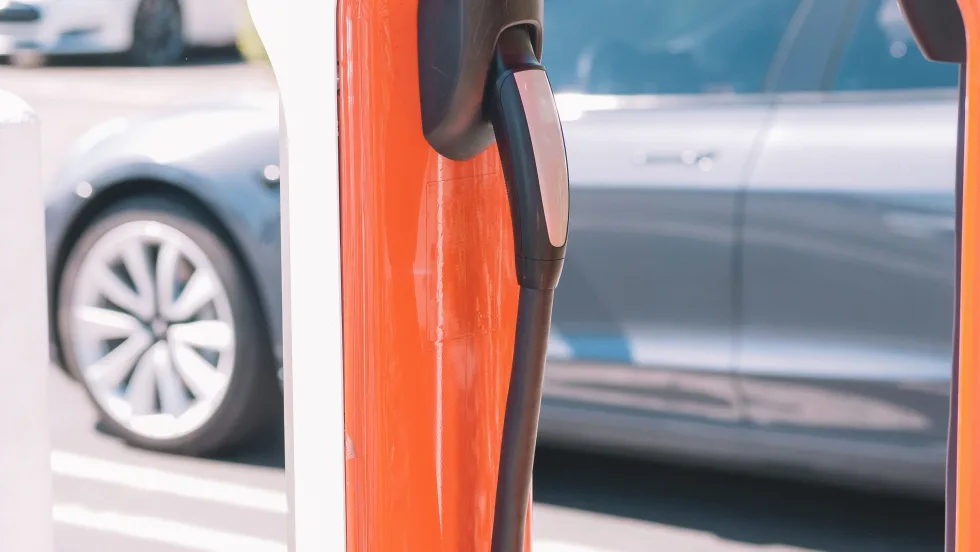
Charger Network Growth Slows
Despite a projected increase in public EV chargers in 2026, charging infrastructure remains a top concern for consumers as the gap between the most and least EV-friendly places remains substantial.
Read More →
Lenders, Consumers Take on More Auto Loan Risk
September records loosened credit access the most in over a decade as buyers took advantage of the conditions to afford trading, though loan applications fell.
Read More →
Next-Gen Hybrids in Sight
Dealerships can expect to see revamped hybrids from Honda next year as the company rolls out a new system and model lineup.
Read More →
Gem State Stores Change Hands
A larger auto group founded in the industry’s early years sold two franchises to a neighbor group that's on a growth spurt.
Read More →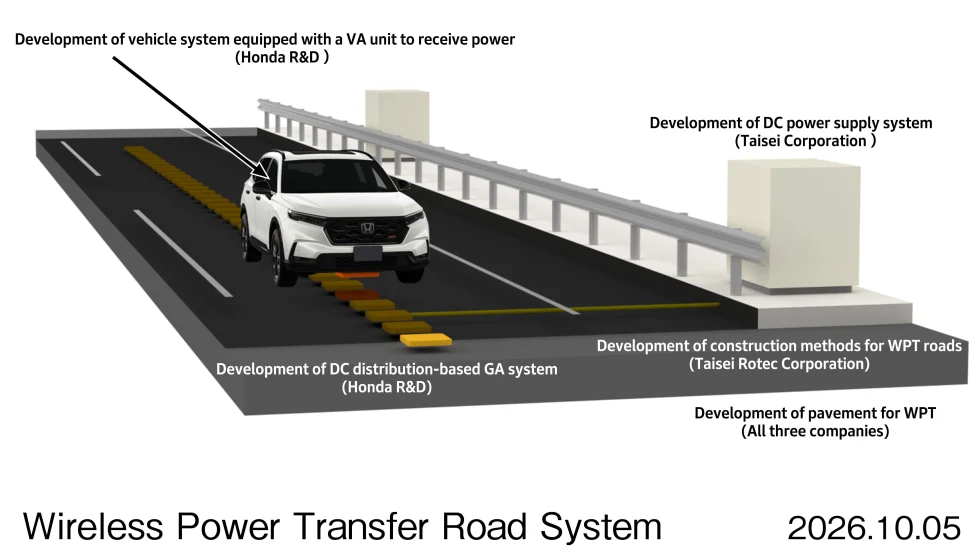
Charging In Motion
Honda has been researching wireless in-motion charging for electric vehicles since 2025, and new technology developments have put it a step closer to a final product.
Read More →
Twin Cities Stores Sell
Minnesota-based Walser Automotive Group made what it called the most significant acquisition in its history with a three-rooftop deal in Minneapolis.
Read More →
U.S. Auto Sales Still Below Prepandemic Levels
Mobility Global industry observers don’t expect the market to return to the higher volumes that became routine before Covid but to stay well below its potential.
Read More →
The Powertrain Shift
Electric-vehicle owners are backpedaling, according to new data, with product availability driving many to shift back to gas-powered engines.
Read More →
Achromatic Autos
The shades that dominate the U.S. car market don’t call attention to themselves, though grayscale may have plateaued after a 30-year upswing, research shows.
Read More →
Used-Vehicle Affordability Worsens
Listing prices in August defied seasonal trends, rising above $27,000 for the second time this year.
Read More →