


Ford Motor Reports 10th Profitable Quarter, and May Restart Dividend

DEARBORN — The Ford Motor Company on Wednesday said profit fell 2 percent in the third quarter, to $1.65 billion.
It was the 10th consecutive profitable quarter for Ford, which last week secured a new labor contract with the United Automobile Workers union and said it was close to restoring a dividend to shareholders.
Nearly all of the profit — $1.6 billion, the same as a year ago — came from North America, while losses in Europe increased 56 percent, to $306 million, reported The New York Times.
“We delivered solid results for the third quarter despite an uncertain business environment by continuing to serve our customers around the world with best-in-class vehicles,” Ford’s chief executive, Alan R. Mulally, said in a statement.
The overall profit is equal to 41 cents a share and brings the carmaker’s total earnings for 2011 to $6.6 billion, 4 percent more than the first nine months of 2010. Ford earned $1.69 billion, or 43 cents a share, in the third quarter of 2010. Revenue increased 14 percent to $33.1 billion.
The company earned a third-quarter pretax operating profit of $1.94 billion, or 46 cents a share, $111 million less than a year ago. That figure, which excludes special items related to job cuts, the end of the Mercury brand and dealer-related actions, is slightly above the consensus analyst forecast of 44 cents a share.
Operating profit was reduced by a $350 million noncash charge related to commodity hedges after prices declined significantly at the end of September, Ford said. It projected that structural and commodity costs for all of 2011 would be $3.8 billion higher than 2010, less than its initial forecast of $4 billion.
Ford said it reduced its automotive debt by $1.3 billion in the quarter to $12.7 billion. It reported positive automotive cash flow of $400 million, but automotive gross cash declined by $1.2 billion to $20.8 billion.
Its chief financial officer, Lewis W. K. Booth, said the company was on track to surpass its 2010 full-year operating profit of $8.3 billion, even though its automotive operating margins would be slightly lower. Its operations have earned $7.7 billion so far in 2011.
“The core of the business is very strong,” Mr. Booth told reporters at Ford’s headquarters. “We’re doing all this while we’re investing for the future.”
Ford workers on Oct. 19 ratified a new four-year deal with the United Automobile Workers that the company said would increase its labor costs by less than 1 percent annually. Most of the company’s 41,000 U.A.W. members will get bonuses of $6,000 and profit-sharing checks of about $3,750 this month.
The new contract prompted Standard & Poor’s and Fitch Ratings to upgrade Ford’s credit rating two notches, to BB-plus, which is one level below investment grade. Moody’s is considering a similar upgrade.
With the labor issue settled, analysts now say they expect Ford to resume paying a dividend to shareholders as soon as 2012. The company suspended its quarterly dividend in 2006.
Mr. Booth said Ford would restore its dividend “as soon as we think our balance sheet will stand it,” but he declined to give a specific timeframe.
Brian A. Johnson, an analyst with Barclays Capital, predicted in a note to clients this week that Ford would announce a dividend early next year and pay 36 cents for 2012, increasing to 55 cents in 2015.
“The key debate around Ford continues to be the sustainability of — or potential for improvement in — Ford North America pretax profits, especially in light of tailwinds from pricing and what may turn out to be lower than previously guided headwinds from commodities and structural costs,” Mr. Johnson wrote.
Shares of Ford fell 4.5 percent to close at $11.74 on Wednesday.
More Industry

First-Half Dealership Deals Up
Buy-sell activity shows that acquirers are looking for value and scale as many retailers seek to leave an increasingly competitive and complex market, Kerrigan Advisors reports.
Read More →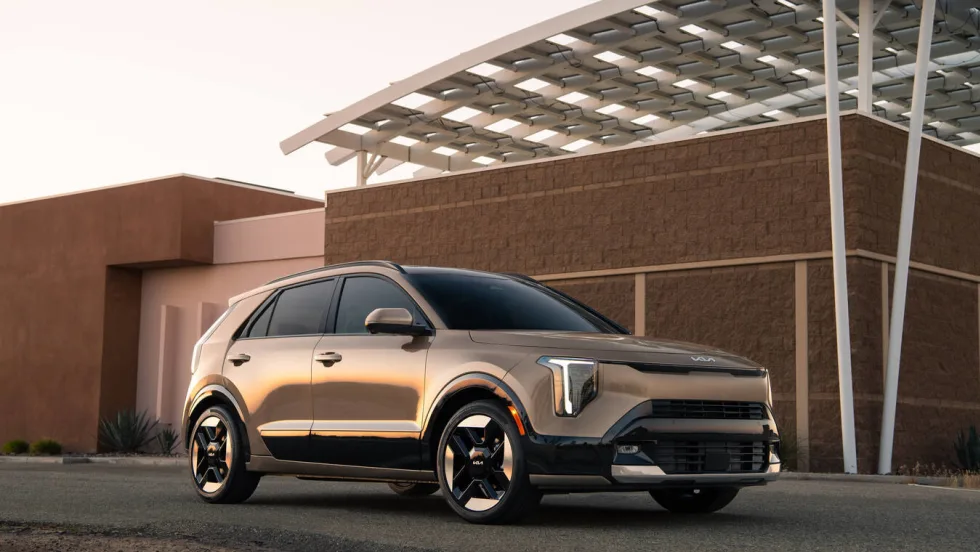
Kia Closes Out Summer With a Bang
Its U.S. subsidiary broke multiple records in August, in part due to a surge of demand for hybrids models.
Read More →
Indiana Dealership Changes Hands
A 30-year-old Ford dealership in Indiana has a new owner and will soon be undergoing renovations to meet manufacturer requirements.
Read More →
Texas Dealership No Longer in the Family
The Ford store, a longtime cornerstone of the Houston market, is now part of one of the fastest-growing U.S. auto groups.
Read More →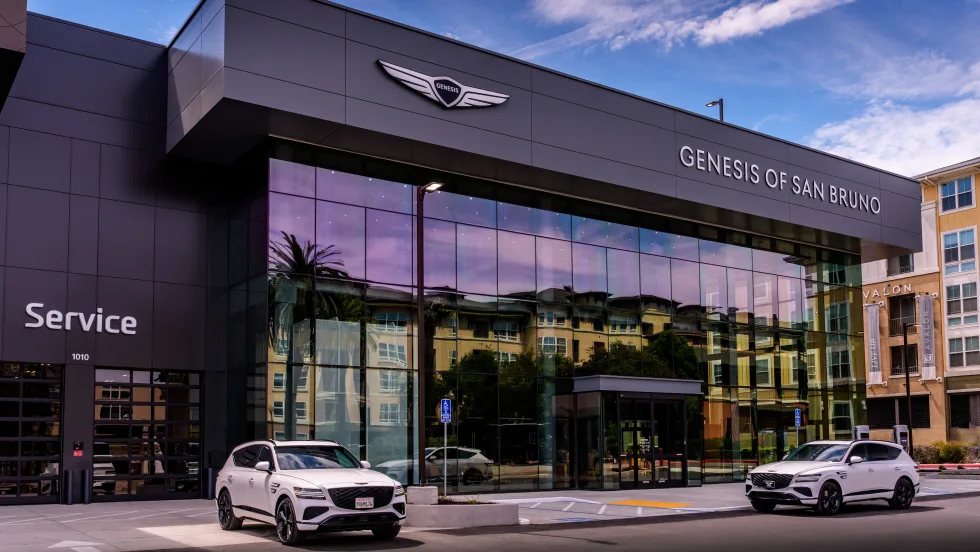
Genesis Grows California Presence
The Cardinale Automotive Group opened its third Genesis rooftop in the Golden State, Genesis of San Bruno, a stand-alone dealership serving the San Francisco Bay Area.
Read More →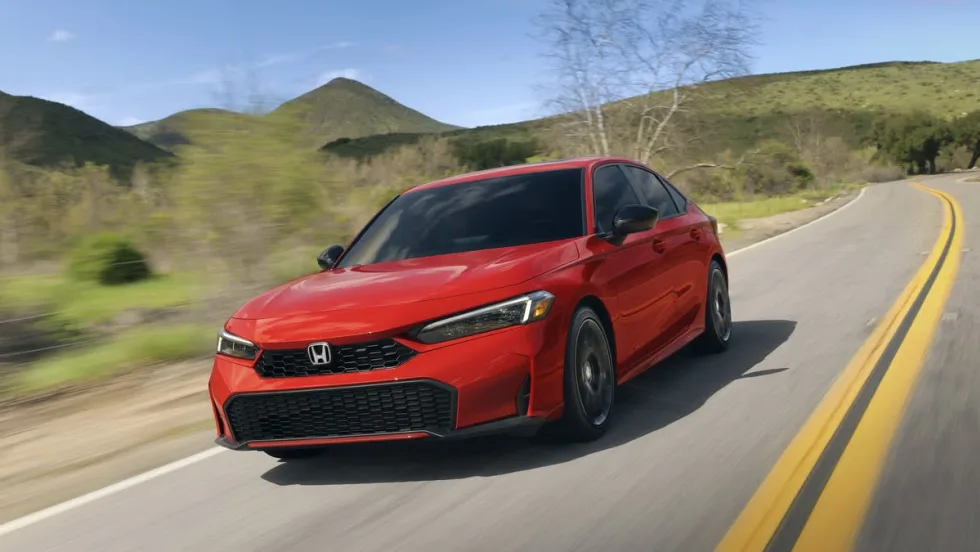
August Auto Sales a Mixed Bag
An early forecast shows strong business despite consumer hurdles, and hybrids are a big piece of their affordability coping strategy.
Read More →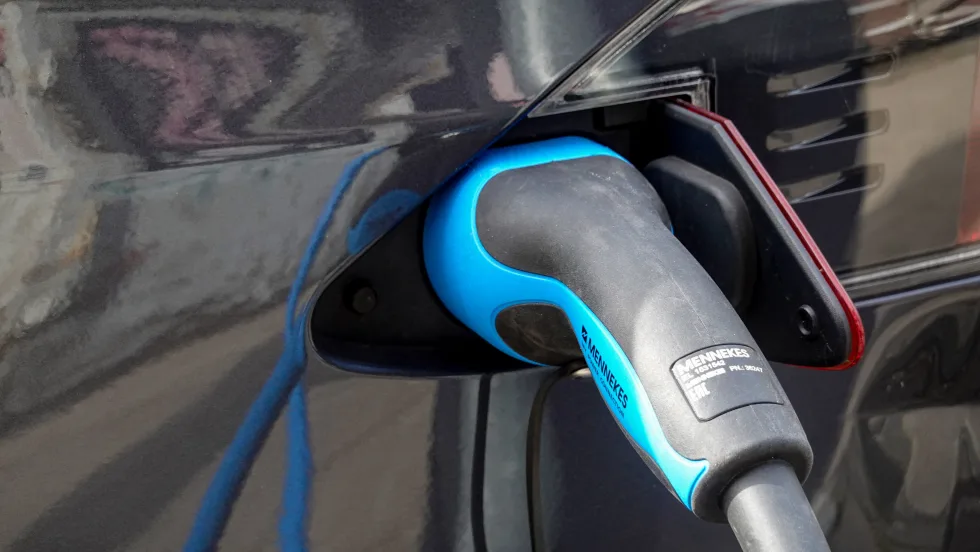
EV Market Humming Along
July sales show steady growth as the segment stabilizes from last year’s artificial surge following pullback of federal support.
Read More →
Auto Loan Delinquency Rates Stabilize
Auto loans are a main driver of nonmortgage consumer debt, but delinquency rates stabilized in the second quarter across all credit risk tiers.
Read More →
EV Sales Recover in Q2
The EV sales roller coaster continues as numbers show improvement, but industry experts predict a year-over-year third-quarter decline and fourth-quarter jump.
Read More →
The Cheapest Hybrids to Fuel
The powertrain is increasing in popularity, in no small part due to its fuel economy. A new report lists the most efficient hybrids on the market.
Read More →