


Ford Profit to Miss Views

Ford Motor Co. on Wednesday forecast a second-quarter pre-tax profit that would fall below analysts' estimates as the auto maker spends more on commodities and on expanding its business.
"For the second quarter, we expect the company's total pre-tax profits excluding special items to be about the same or potentially slightly lower than the first quarter results," Ford Vice President and Controller Robert Shanks said at an analysts' conference in Chicago. He said its full-year earnings outlook remains unchanged.
Analysts currently estimate profit for the quarter ended June 30 of 64 cents a share, reported The Wall Street Journal. The Dearborn, Mich., auto maker reported pre-tax profit of $2.8 billion, or 62 cents a share, in its first quarter ended March 31.
A Ford spokesman declined to comment other than to note the company still expects improvement in full-year, pre-tax operating profit and automotive cash flow.
Mr. Shanks said his comments were in line with Ford's previous guidance other than the second-quarter results to be about flat with first-quarter earnings. Ford generated a profit of $2.55 billion, or 61 cents a share, in the first quarter.
"If you look at the second quarter, it will actually be very close to the first quarter, maybe a little bit lower, but actually very close," Mr. Shanks said.
"For the second half of the year, we expect the company's total pre-tax profits excluding special items to be lower than the first half. This is due to higher structural cost largely to support our growth and brand plans, increasing commodity cost and seasonal factors that tend to favor the first half of the year."
He said the company will spend $2 billion more on commodities this year than it did in 2010.
Auto makers and their parts suppliers are once again beginning to struggle with higher costs for steel, oil and rubber as industry output continues to recover and vehicle demand intensifies. Investors are watching to see if companies can succeed at maneuvering through the higher costs without eroding profits.
Mr. Shanks again raised the possibility of Ford re-starting its dividend. Ford executives made the same remarks during a business update meeting last week. The company stopped paying a stock dividend in 2006.
He offered a road map to paying a dividend, saying it would come, "Once we return to investment grade [debt rating], we maintain a strong business with a strong liquidity keeping our break-even levels low so that we can maintain our investment grade [rating] through a recession similar in severity to the one that we just went through. With these actions, we expect to achieve a competitive cost of capital and provide acceptable returns to our shareholders."
Ford shares fell 2 percent or 27 cents to $13.15 in 4 p.m. New York Stock Exchange trading on Wednesday. The stock has lost 21 percent year-to-date. Shares fell Monday after a Cleveland judge ordered the company to pay $2 billion in a class-action lawsuit brought by about 3,000 dealers who sold commercial trucks.
More Industry
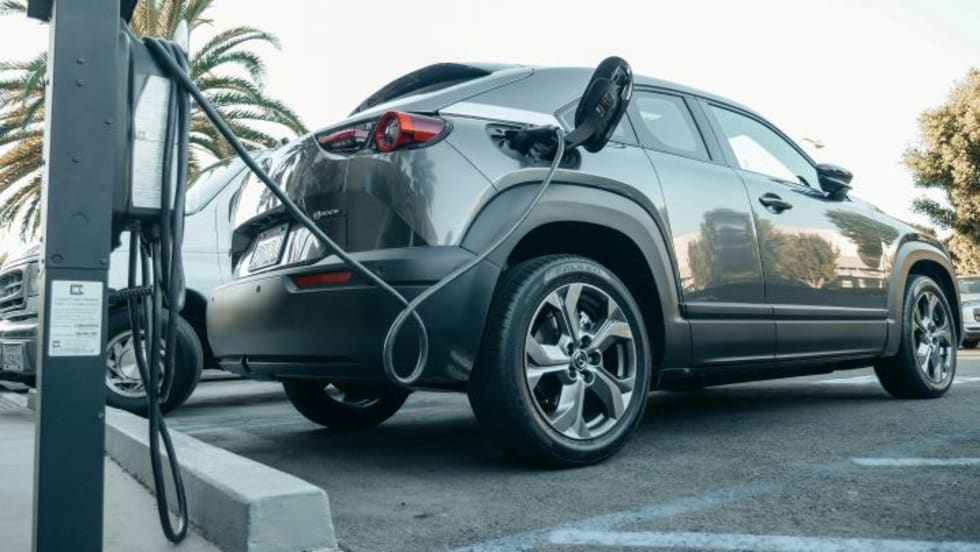
World EV Adoption Set to Grow
A new report says the segment, despite recent setbacks in some regions, is poised for acceleration as many countries look to reduce pollution.
Read More →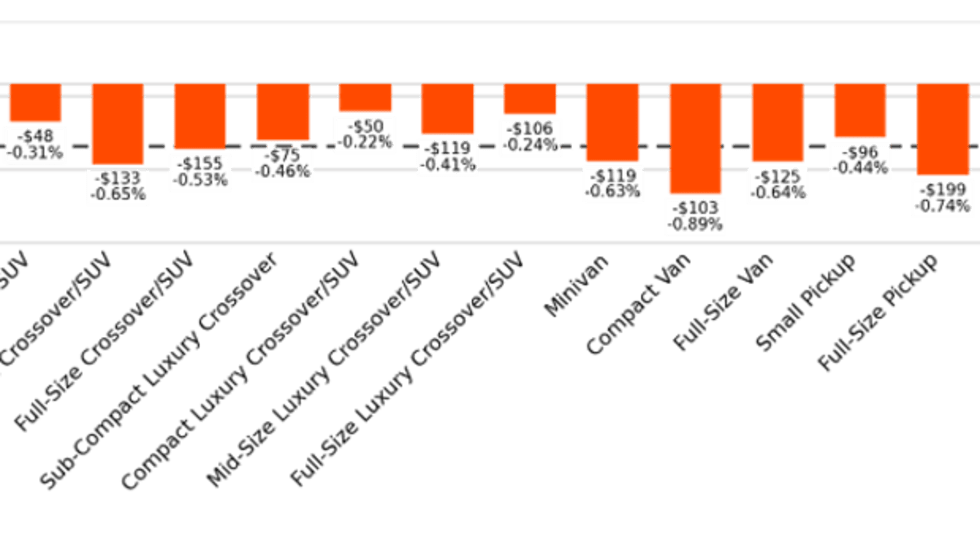
Black Book: Weekly Market Update
Wholesale automotive auction business stayed steady last week as bidders encountered lower prices, analysts observed.
Read More →
Pricing Transparency Drives Purchase Consideration
An annual study by JD Power found that clear pricing matters to consumers on automaker websites, so much so that it increases their purchase consideration.
Read More →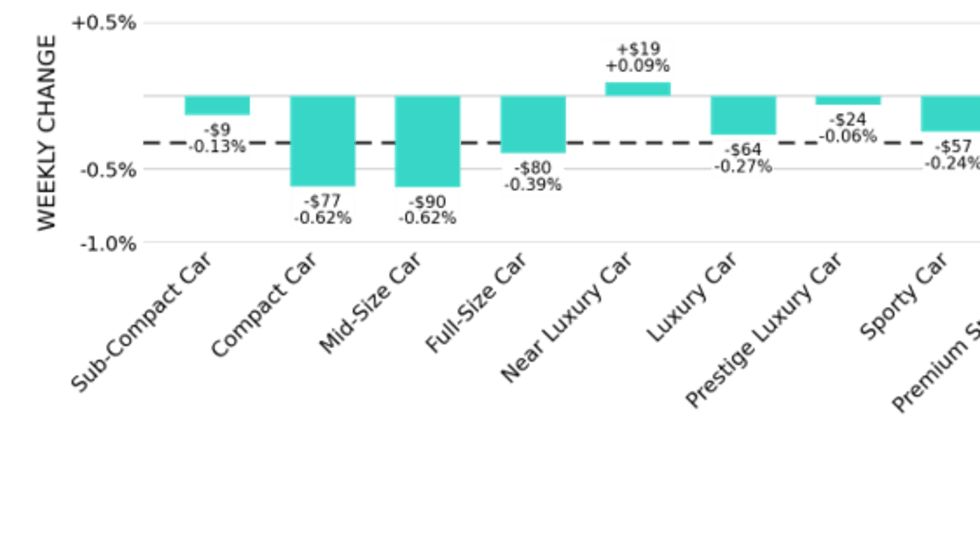
Black Book: Weekly Market Update
Used-vehicle market depreciation was the prevailing story in the wholesale market last week.
Read More →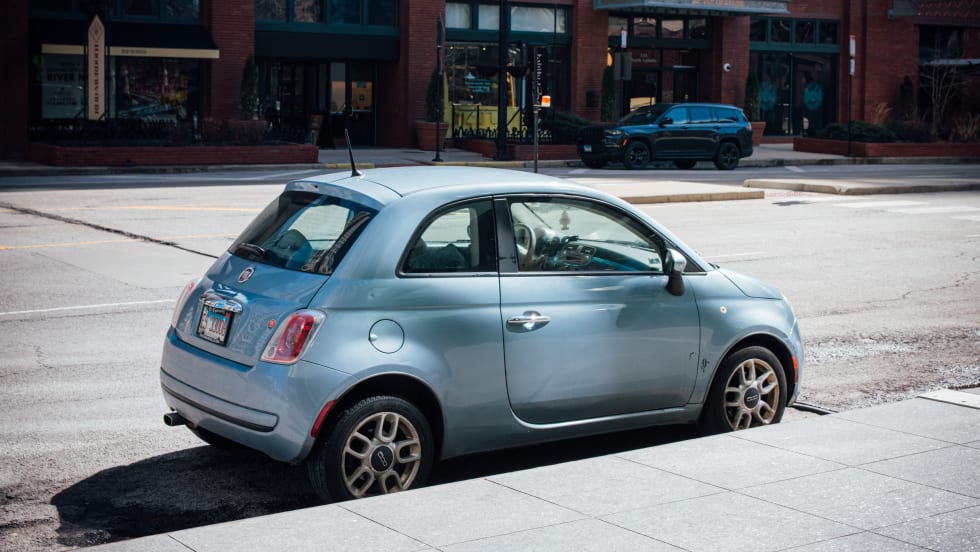
Smaller Is Looking Better
A growing number of Americans in the market for a new vehicle are opting for more affordable options, not waiting for market stability to bite the bullet.
Read More →
U.S. EV Market Slowly Stabilizes
U.S. electric-vehicle interest is slowly stabilizing since a major dip in sales after last year's end of the federal EV tax credit, and hybrids remain the leading electrified power train.
Read More →
Global EV Market Entering New Phase
Automakers are making investments to lower battery costs and optimize production to meet changing consumer needs.
Read More →
Black Book Weekly Market Update
The holiday weekend, not surprisingly, put a drag on wholesale automotive activity last week, analysts observed.
Read More →
Auto Affordability in Context
Cox Automotive points out the complex circumstances that have led to eye-popping vehicle prices.
Read More →
Black Book: Weekly Market Update
Automotive auction inventory increased last week, giving choosy bidders even more leeway.
Read More →