


Ford to Pay Off $1.8B of Debt

Ford Motor Co. will pay down $1.8 billion of its long-term debt today and continues to negotiate a new agreement with the United Auto Workers as precursors to restoring the investment grade status it lost in 2006.
"We've fixed the business fundamentals," Lewis Booth, Ford chief financial officer, said Wednesday at the UBS Frankfurt Auto Show Investor Conference. "The only real stumbling block is to get past the UAW negotiations successfully."
Ford's four-year contract expired at midnight but was extended to keep plants running as talks continue, reported The Detroit News.
The UAW wanted agreements with General Motors Co. and Chrysler Group LLC first.
Booth told investors he thinks economic uncertainty is also affecting an upgrade of Ford's credit rating.
"They think our financial metrics are working at investment grade now," he said, referring to Moody's Investors Services, which has Ford two notches below grade.
At the end of June, total debt was $14 billion. Ford is using its $22 billion in cash reserves to retire the final $1.8 billion of a $7 billion long-term loan secured in 2006 and maturing at the end of 2013.
Automotive debt will be about $10 billion in 2015, far from the $33.6 billion at the end of 2009, Booth said.
"If cash continues to grow, we'll look at further shareholder actions," Booth said, without elaborating.
"Paying down the debt is a further sign of confidence in their business plan," said Charles Moore, senior managing director of Conway MacKenzie Inc. in Birmingham.
"When companies are nervous, they have a hard time parting with cash," he said.
In other projections, Booth said revenue and pricing will improve and capital spending will increase $500,000 to $6 billion.
Booth said the automaker will cut costs and respond accordingly if the economy experiences significant downturns.
But the company is leaner and better able to weather turmoil.
"Our balance sheet is a lot cleaner than two years ago."
More Industry

First-Half Dealership Deals Up
Buy-sell activity shows that acquirers are looking for value and scale as many retailers seek to leave an increasingly competitive and complex market, Kerrigan Advisors reports.
Read More →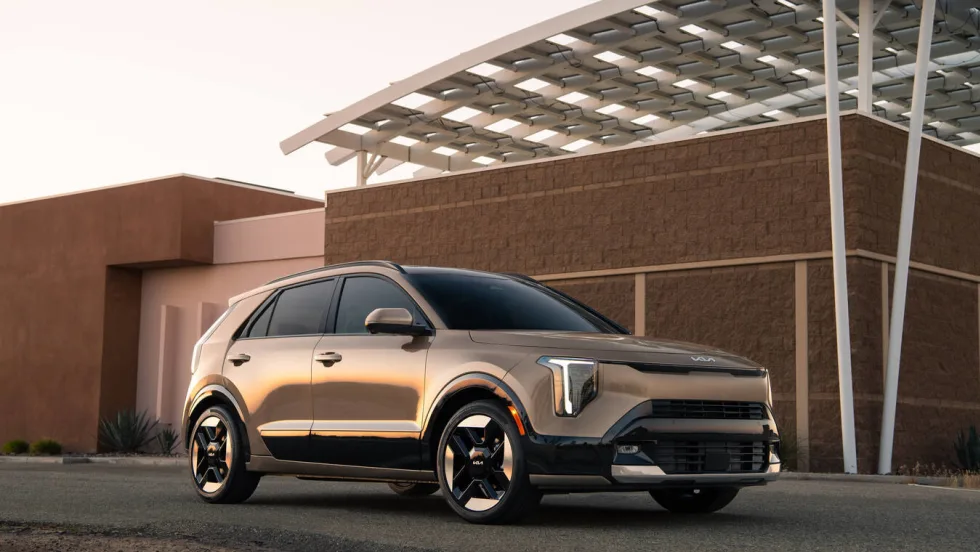
Kia Closes Out Summer With a Bang
Its U.S. subsidiary broke multiple records in August, in part due to a surge of demand for hybrids models.
Read More →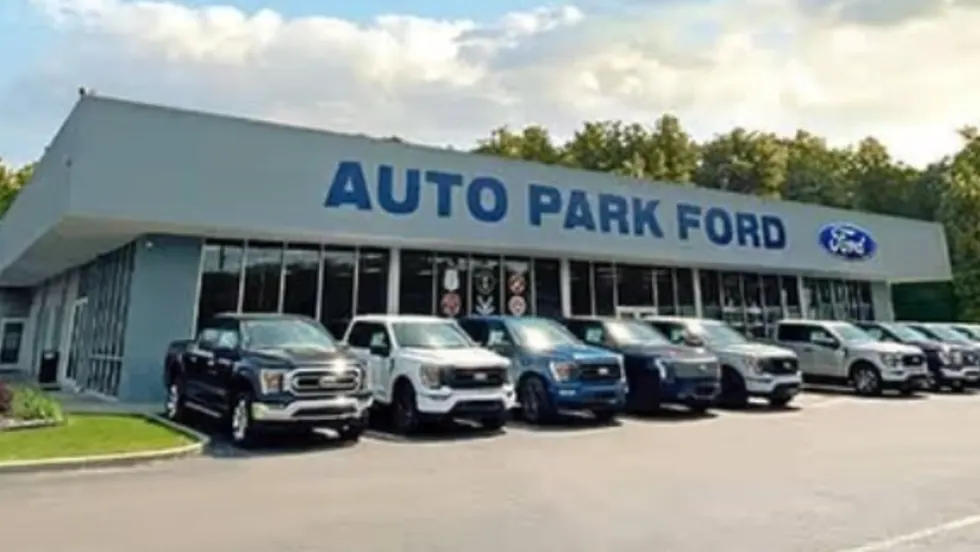
Indiana Dealership Changes Hands
A 30-year-old Ford dealership in Indiana has a new owner and will soon be undergoing renovations to meet manufacturer requirements.
Read More →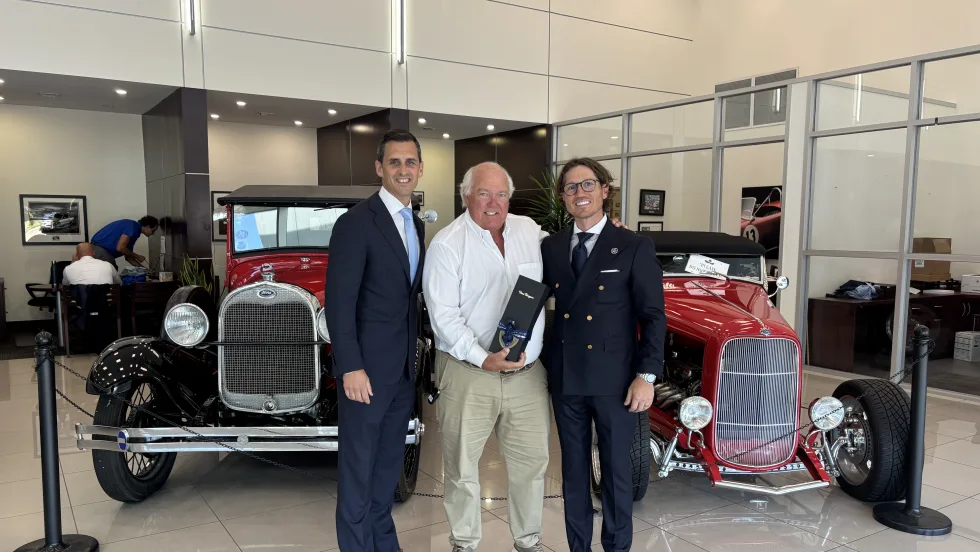
Texas Dealership No Longer in the Family
The Ford store, a longtime cornerstone of the Houston market, is now part of one of the fastest-growing U.S. auto groups.
Read More →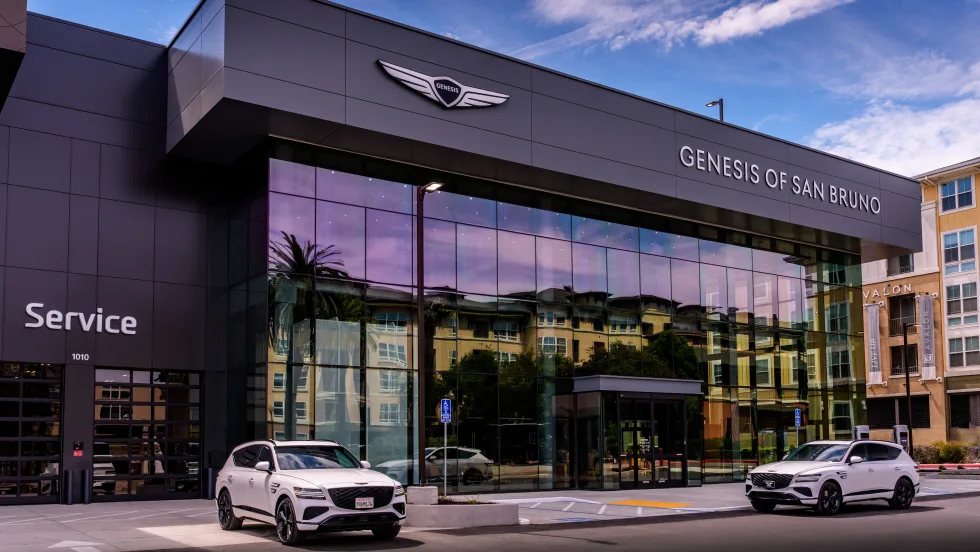
Genesis Grows California Presence
The Cardinale Automotive Group opened its third Genesis rooftop in the Golden State, Genesis of San Bruno, a stand-alone dealership serving the San Francisco Bay Area.
Read More →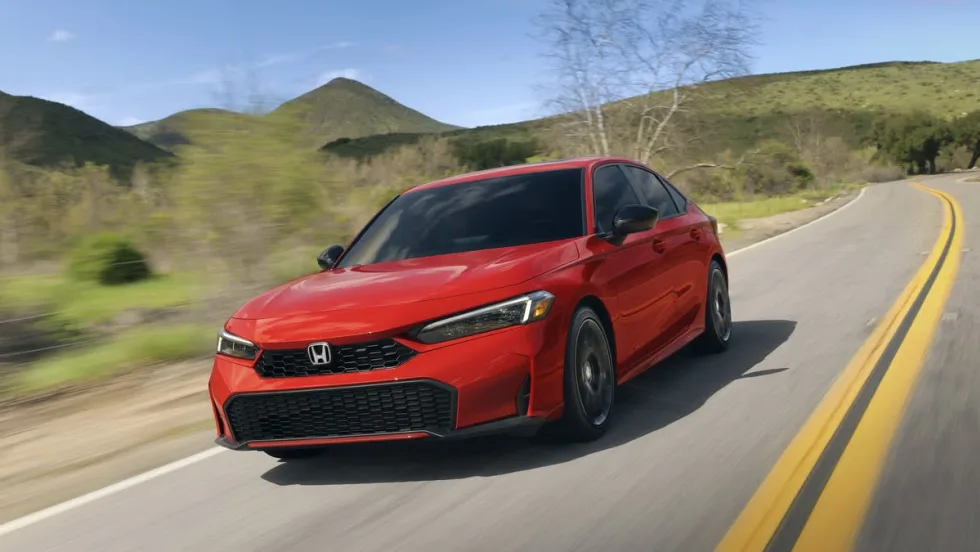
August Auto Sales a Mixed Bag
An early forecast shows strong business despite consumer hurdles, and hybrids are a big piece of their affordability coping strategy.
Read More →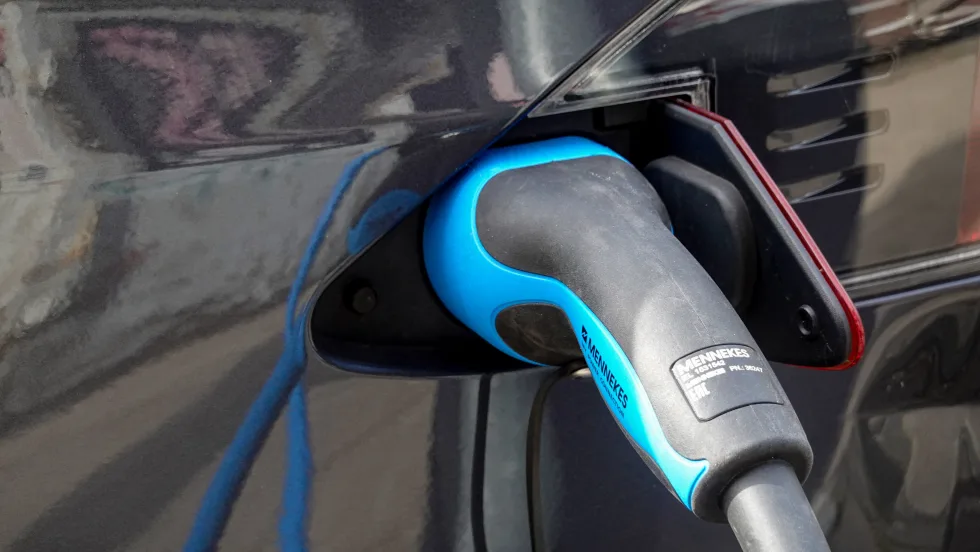
EV Market Humming Along
July sales show steady growth as the segment stabilizes from last year’s artificial surge following pullback of federal support.
Read More →
Auto Loan Delinquency Rates Stabilize
Auto loans are a main driver of nonmortgage consumer debt, but delinquency rates stabilized in the second quarter across all credit risk tiers.
Read More →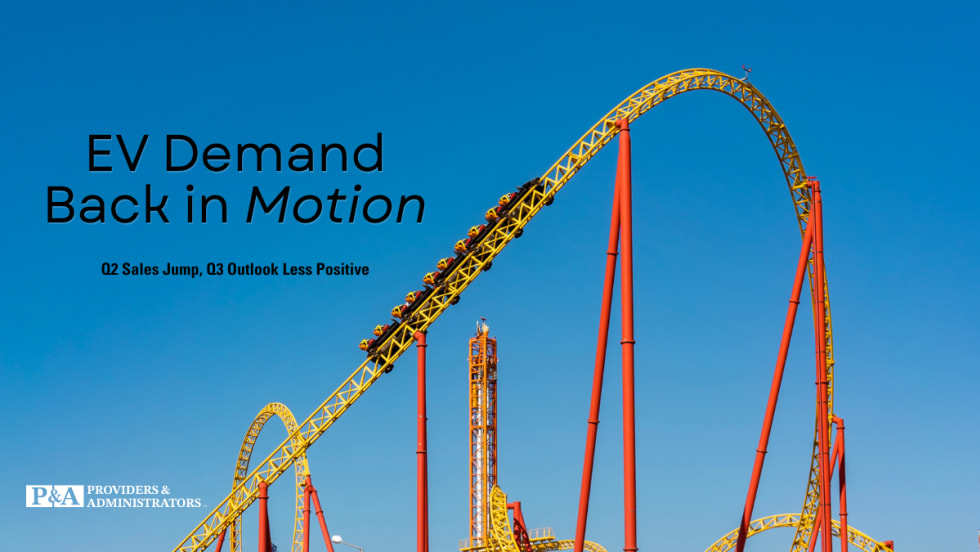
EV Sales Recover in Q2
The EV sales roller coaster continues as numbers show improvement, but industry experts predict a year-over-year third-quarter decline and fourth-quarter jump.
Read More →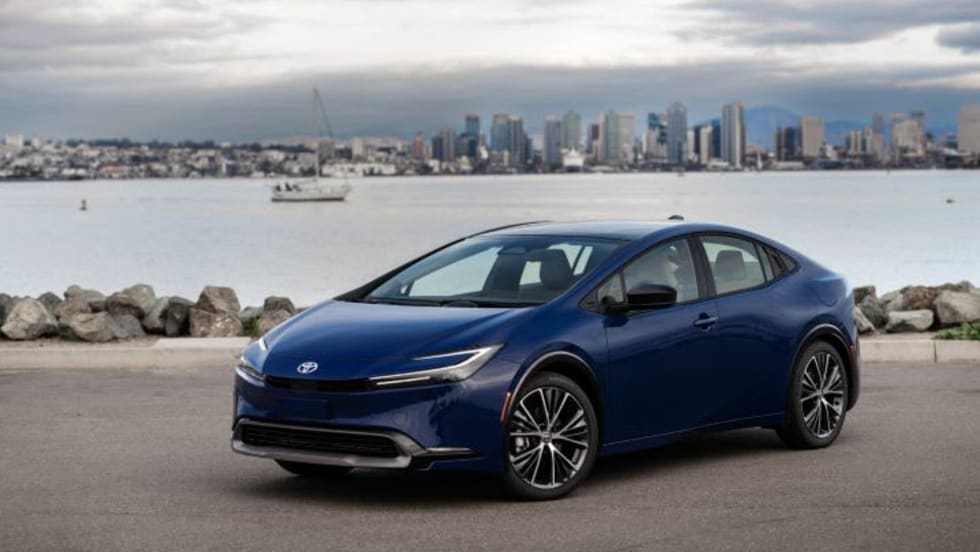
The Cheapest Hybrids to Fuel
The powertrain is increasing in popularity, in no small part due to its fuel economy. A new report lists the most efficient hybrids on the market.
Read More →