


FTC and Federal Reserve Issue Risk-based Pricing Rules

In what is expected to have a big impact on the special-finance marketplace, the Federal Trade Commission (FTC) and the Federal Reserve Board (FRB) issued in late December finalized rules that will require creditors, including dealers, to alert consumers when derogatory credit data causes them to receive less than optimal terms. The rule is expected to take effect Jan. 1, 2011.
The finalized rules implement Section 311 of the Fair and Accurate Credit Transactions Act of 2003. Among other reforms, the act introduced the concept of providing consumers with one free credit report per year to ensure their accuracy and directed the FTC and FRB to develop a Risk-Based Pricing Notice (RBPN) for credit applicants whenever their credit scores triggered higher interest rates or other adverse terms.
According to the FTC’s Manas Mohapatra, the rule also fills a gap created by the advent of risk-based pricing, a practice of setting or adjusting the price and other terms of credit provided to a consumer based on his or her credit worthiness. “With the adverse action requirement, people are told that things in their credit report probably caused their denial of credit,” Mohapatra told F&I. “However, what had been occurring was that people were not getting denied credit, but were getting much worse material terms and weren’t being informed of that fact. This rule is supposed to fill that gap.”
The two agencies had published proposed regulations that would implement these risk-based pricing provisions in May 2008, which was followed by a three-month public comment period. The agencies received more than 80 responses to the proposed rules from banks and other creditors, industry associations such as the National Automobile Dealers Association (NADA), consumer groups, and more.
The rule lays out several scenarios in which the rules may apply. However, because of the difficulty in determining which consumers fit in this category, the NADA recommended — and the agencies adopted — an exception notice that dealers and other creditors may issue in lieu of the RBPN.
Called the credit score disclosure notice, which is based on an existing requirement that applies to dealers in California, the notice must be provided to all customers who apply for credit. It must contain, among other things, the consumer’s credit score, the date the score was created and the source of the score. The notice must also provide consumers with a range of scores and information on how lenders use their scores. The notice must also include a written description or graphic representation of how the applicant ranks against other consumers. An example of the form can be found on page 198 of the rules.
More Industry

Charger Network Growth Slows
Despite a projected increase in public EV chargers in 2026, charging infrastructure remains a top concern for consumers as the gap between the most and least EV-friendly places remains substantial.
Read More →
Lenders, Consumers Take on More Auto Loan Risk
September records loosened credit access the most in over a decade as buyers took advantage of the conditions to afford trading, though loan applications fell.
Read More →
Next-Gen Hybrids in Sight
Dealerships can expect to see revamped hybrids from Honda next year as the company rolls out a new system and model lineup.
Read More →
Gem State Stores Change Hands
A larger auto group founded in the industry’s early years sold two franchises to a neighbor group that's on a growth spurt.
Read More →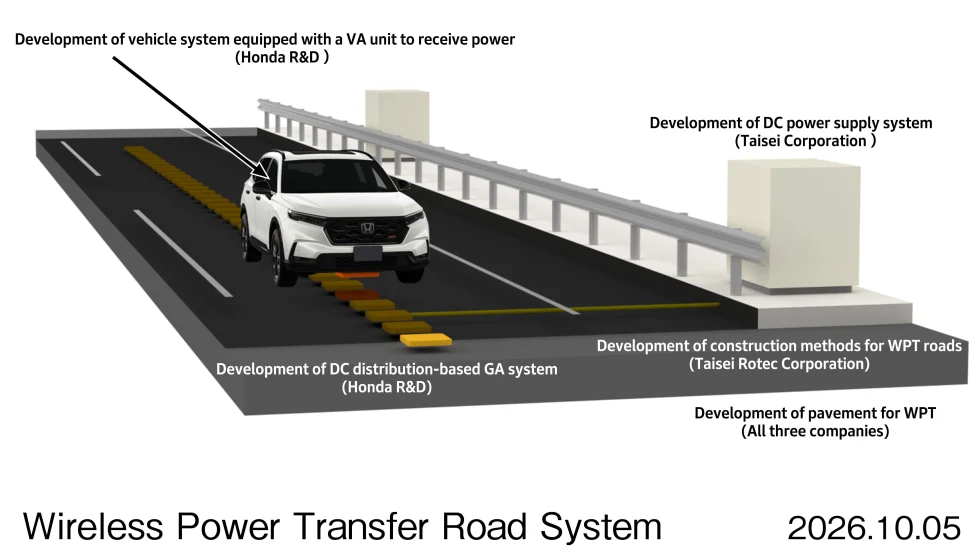
Charging In Motion
Honda has been researching wireless in-motion charging for electric vehicles since 2025, and new technology developments have put it a step closer to a final product.
Read More →
Twin Cities Stores Sell
Minnesota-based Walser Automotive Group made what it called the most significant acquisition in its history with a three-rooftop deal in Minneapolis.
Read More →
U.S. Auto Sales Still Below Prepandemic Levels
Mobility Global industry observers don’t expect the market to return to the higher volumes that became routine before Covid but to stay well below its potential.
Read More →
The Powertrain Shift
Electric-vehicle owners are backpedaling, according to new data, with product availability driving many to shift back to gas-powered engines.
Read More →
Achromatic Autos
The shades that dominate the U.S. car market don’t call attention to themselves, though grayscale may have plateaued after a 30-year upswing, research shows.
Read More →
Used-Vehicle Affordability Worsens
Listing prices in August defied seasonal trends, rising above $27,000 for the second time this year.
Read More →