


FTC Proposes Bans to F&I and Add Ons That 'Provide No Benefit'
The FTC hopes the proposed rule will save consumers time and money and ensure a level playing field for honest dealers.

FTC
The Federal Trade Commission (FTC) has proposed barring finance & insurance coverage and vehicle add ons that it maintains “provide no benefit.”
The federal organization also proposes requiring expanded disclosure and consent on these optional products and listing their prices online.
The FTC also hopes to crack down on dealership advertising related to the cost of the vehicle itself.
The agency approved the June 27 notice of proposed regulations in a 4-1 vote, in which Commissioner Christine Wilson dissented. The FTC news released referred to add ons and F&I products as “junk fees” with four commissioners acknowledging in a separate statement that not all add ons provide no value.
The proposed new rule, if passed, will be the agency’s first regulation since the Dodd-Frank Act of 2010, which continued and expanded the FTC's authority over auto dealerships. The proposed rule also will allow the FTC to seek financial redress for customers, something prohibited earlier by the Supreme Courts in AMG Capital Management LLC v. FTC.
The FTC plans to open a 60-day window for public comment on the proposal soon.
"As auto prices surge, the commission is taking comprehensive action to prohibit junk fees, bait-and-switch advertising and other practices that hit consumers' pocketbooks," FTC Bureau of Consumer Protection Director Samuel Levine said in a statement June 27. "Our proposed rule would save consumers time and money and help ensure a level playing field for honest dealers."
The FTC's proposed regulations include:
Bans on products without benefit. Under the rule, dealerships cannot sell nitrogen-filled tire products and services that do not contain more nitrogen than what exists in the air, coverage duplicating a vehicle’s warranty, or guaranteed asset protection (GAP), which covers the difference between a loan balance and the vehicle's cash value in the event of a total loss, also would be forbidden "if the consumer's vehicle or neighborhood is excluded from coverage or the loan-to-value ratio would result in the consumer not benefiting financially from the product or service."
Posting a complete list of optional add-ons and their prices online. If the price of the F&I products vary, dealerships can post a range "the typical consumer would pay." The FTC defines add ons as anything sold by a dealership not provided by the automaker, including intangible F&I coverage.
Bans on misleading pricing advertising.
Written price disclosures. The seller must inform the customer of the vehicle’s price, with and without financing and have them decline in writing all optional additions and F&I coverages. The customer and a dealership manager must sign a document agreeing to a different fee when prices differ.
Dealers must show "Express, Informed Consent" on F&I products and other add-ons. The FTC reports this must be "an affirmative act communicating unambiguous assent" and go beyond "a signed or initialed document, by itself" or "prechecked boxes."
Originally posted on Auto Dealer Today
More Industry
Charger Network Growth Slows
Despite a projected increase in public EV chargers in 2026, charging infrastructure remains a top concern for consumers as the gap between the most and least EV-friendly places remains substantial.
Read More →
Lenders, Consumers Take on More Auto Loan Risk
September records loosened credit access the most in over a decade as buyers took advantage of the conditions to afford trading, though loan applications fell.
Read More →
Next-Gen Hybrids in Sight
Dealerships can expect to see revamped hybrids from Honda next year as the company rolls out a new system and model lineup.
Read More →
Gem State Stores Change Hands
A larger auto group founded in the industry’s early years sold two franchises to a neighbor group that's on a growth spurt.
Read More →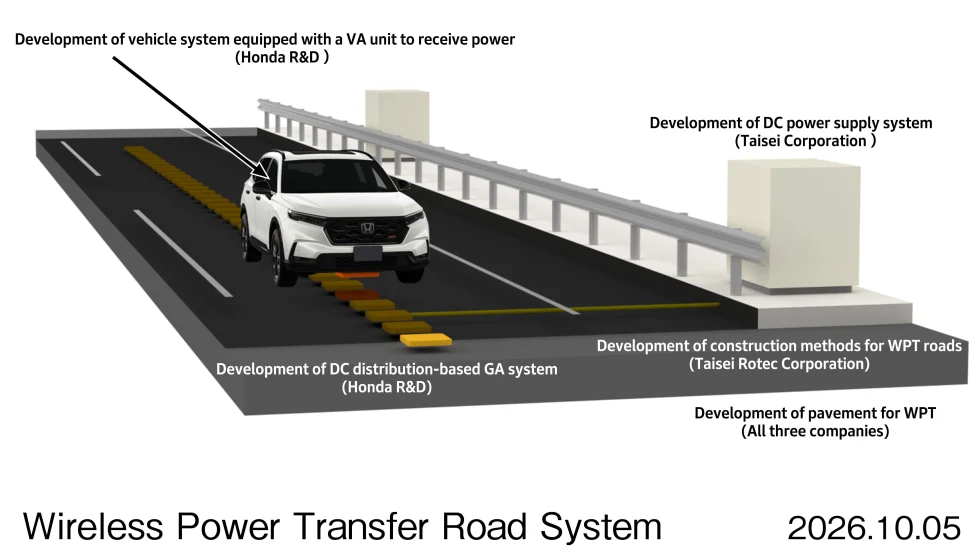
Charging In Motion
Honda has been researching wireless in-motion charging for electric vehicles since 2025, and new technology developments have put it a step closer to a final product.
Read More →
Twin Cities Stores Sell
Minnesota-based Walser Automotive Group made what it called the most significant acquisition in its history with a three-rooftop deal in Minneapolis.
Read More →
U.S. Auto Sales Still Below Prepandemic Levels
Mobility Global industry observers don’t expect the market to return to the higher volumes that became routine before Covid but to stay well below its potential.
Read More →
The Powertrain Shift
Electric-vehicle owners are backpedaling, according to new data, with product availability driving many to shift back to gas-powered engines.
Read More →
Achromatic Autos
The shades that dominate the U.S. car market don’t call attention to themselves, though grayscale may have plateaued after a 30-year upswing, research shows.
Read More →
Used-Vehicle Affordability Worsens
Listing prices in August defied seasonal trends, rising above $27,000 for the second time this year.
Read More →