


GM CEO Expects to Sell All Stock in 1 Batch

TRAVERSE CITY, Mich. — Eager to get out from under government control, GM expects to sell its stock in one swoop when it offers shares to the public sometime later this year, its CEO said Thursday.
Some experts had expected General Motors Co. to sell only a partial stake at first, followed by several smaller sales, The Associated Press reported, but Ed Whitacre told reporters at an auto conference Thursday, "Our anticipation is we'd roll it out there all at once."
Ever since the Obama administration gave the automaker a $50 billion dollar survival loan last year, many drivers have scorned the company and bought cars from rivals. Even though GM has cut costs, changed leadership, and reported its first quarterly profit since 2007, the resentment will linger as long as taxpayers have a 61 percent stake in the company.
"We want the government out. Period," Whitacre said. "We don't want to be known as Government Motors."
Although Whitacre wouldn't say when GM wants to sell the stock or when it would file paperwork with regulators to start the official process, he repeatedly said GM wants the sale as soon as possible. The paperwork, he said, would be submitted in the near future.
GM spokesmen later said the decision on how much equity to sell will be made by current stockholders, the U.S. and Canadian governments, a United Auto Workers health care trust and former bondholders.
Whitacre said the company could have a successful IPO sometime after GM reports second-quarter earnings next week. The earnings numbers, he said, would be impressive. GM's business already looks healthier. It reported a net income of $865 million in the first quarter.
"You'd have to say our future is pretty bright," Whitacre said.
A General Motors IPO could be the largest such sale in U.S. history, Whitacre said, and demand for the shares should be good whenever they are sold.
It could be worth more than $70 billion — enough to pay back its government aid —and far bigger than a 2008 offering by Visa Inc. that netted nearly $18 billion, experts said.
Still, there are risks in doing a one-shot IPO.
The shares would sell for less if placed on the market in one large batch, experts said. Normally, larger companies sell a portion of their shares first, then further establish their earnings and management history as they offer the rest, said Linda Killian, portfolio manager of the initial public offering fund at Renaissance Capital in Greenwich, Conn.
Also, the climate for IPOs is poor, said Scott Sweet, senior managing partner of IPO Boutique in Tampa, Fla., which advises investors on IPOs.
Sweet said he would advise GM to wait until next year when unemployment is expected to drop, housing picks up and the government could have a plan to deal with its massive debt.
"I know some of the best deals in the pipelines have been held up," Sweet said. "They don't want to take a fraction of what they could get in a better market."
Sweet said GM may be pushing ahead for political reasons, so President Obama and Democratic congressional candidates can tout a successful IPO in their campaigns ahead of November elections.
Democrats could use a successful stock offering as proof that the billions in federal aid saved and created jobs, and the government was repaid. Obama appeared at two Detroit factories last week and in Chicago Thursday to tout the success of the unpopular auto industry bailout.
But Whitacre denied that GM is under pressure from the Obama administration to sell shares before the elections.
"We're trying to not tie it to any elections or anything like that, truly," Whitacre said. "We just want it to be right."
Last week, United Auto Workers President Bob King said that GM will file the IPO paperwork in mid-August. The union later said King was basing his statement on media accounts.
Whitacre also said Thursday that the automaker is looking to start up an idled factory to meet higher demand for its products, but he gave no specifics. The company has placed on "standby" two closed factories in Spring Hill, Tenn., and Janesville, Wis.
GM, he said, will have a U.S. dealership network of around 4,500, about 25 percent smaller than it was in early 2009 before the company entered bankruptcy protection.
More Industry
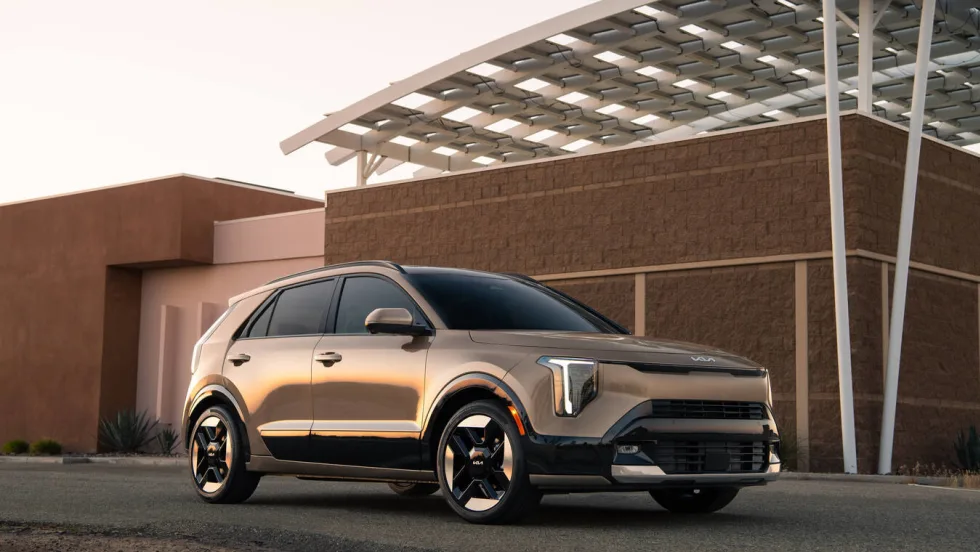
Kia Closes Out Summer With a Bang
Its U.S. subsidiary broke multiple records in August, in part due to a surge of demand for hybrids models.
Read More →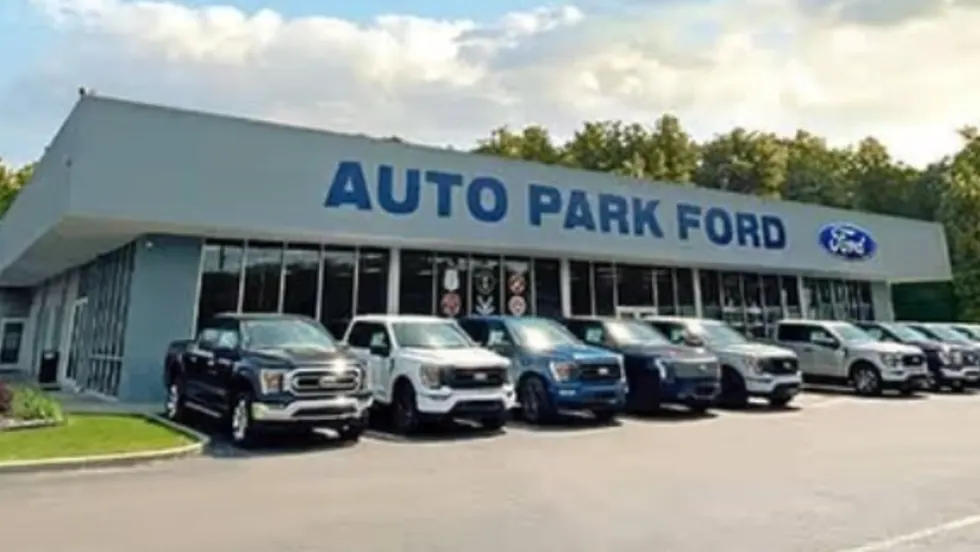
Indiana Dealership Changes Hands
A 30-year-old Ford dealership in Indiana has a new owner and will soon be undergoing renovations to meet manufacturer requirements.
Read More →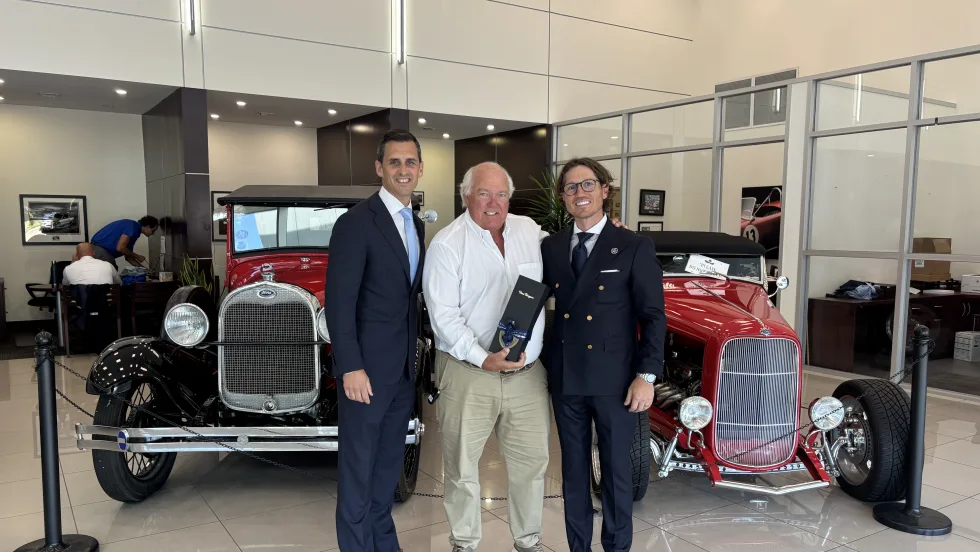
Texas Dealership No Longer in the Family
The Ford store, a longtime cornerstone of the Houston market, is now part of one of the fastest-growing U.S. auto groups.
Read More →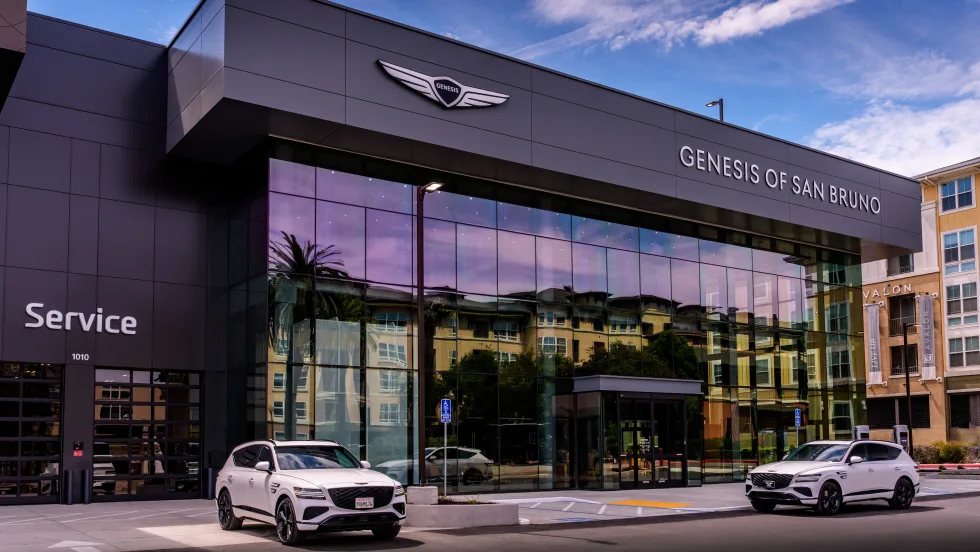
Genesis Grows California Presence
The Cardinale Automotive Group opened its third Genesis rooftop in the Golden State, Genesis of San Bruno, a stand-alone dealership serving the San Francisco Bay Area.
Read More →
August Auto Sales a Mixed Bag
An early forecast shows strong business despite consumer hurdles, and hybrids are a big piece of their affordability coping strategy.
Read More →
EV Market Humming Along
July sales show steady growth as the segment stabilizes from last year’s artificial surge following pullback of federal support.
Read More →
Auto Loan Delinquency Rates Stabilize
Auto loans are a main driver of nonmortgage consumer debt, but delinquency rates stabilized in the second quarter across all credit risk tiers.
Read More →
EV Sales Recover in Q2
The EV sales roller coaster continues as numbers show improvement, but industry experts predict a year-over-year third-quarter decline and fourth-quarter jump.
Read More →
The Cheapest Hybrids to Fuel
The powertrain is increasing in popularity, in no small part due to its fuel economy. A new report lists the most efficient hybrids on the market.
Read More →
Hybrids and SUVs Gaining Ground
The most recent Kelley Blue Book Brand Watch found that only two nonluxury brands increased in shopper consideration, buoyed by their hybrid and SUV offerings.
Read More →