


GM Drops Request for Loans

DETROIT - General Motors Co. is withdrawing a request for $14.4 billion in low-cost Department of Energy loans, a move the auto maker hopes will win goodwill among consumers while furthering a strategy to end its practice of borrowing.
The auto maker said Thursday it doesn't need the loans, which it requested in 2009 as part of a Department of Energy program designed to help auto makers build more fuel-efficient vehicles, The Wall Street Journal reported.
GM hopes the move will help put to rest the "government motors" stigma created by the federal government's $49.5 billion bailout in 2009. The auto maker plans to advertise its decision, a person familiar with the matter said.
The U.S. government cut its GM stake to 26.5% from 61% in last year's initial public offering of stock. But, GM has said, the government's involvement has remained a turnoff to some potential customers and investors.
Ford Motor Co. has capitalized on its standing as the only Detroit auto maker to avoid bankruptcy court and not ask for a bailout. Ford received $5.9 billion in DOE loans under the same program.
The low-interest loans were an attractive option for GM, which first applied for the aid amid its financial troubles in 2009. GM's financial position has improved dramatically and the company has promised investors it would eliminate virtually all debt over the next few years.
GM has since made it a top goal to get out of the practice of borrowing. The auto maker, when pitching itself to investors as part of last year's IPO, promised to operate virtually debt free. On Thursday, the company said that goal drove the decision to pull out of the loan program.
The auto maker and the Energy Department had been negotiating loan terms under the $25 billion lending program.
GM's board approved the decision to withdraw the loan application last week and executives made the final decision in recent days, according to the person familiar with the matter. The projects that would have been funded by the government loans will now be funded by GM's available cash, therefore the auto maker won't go to the private financing market to get loans, this person said.
Since 2008, the Energy Department has awarded about $8.5 billion in loans, which includes the $5.9 billion to Ford and $1.4 billion to Nissan Motor Co. Chrysler Group LLC applied for loans under the program, but the department hasn't made a decision on whether to lend.
Separately on Thursday, GM said it will speed up the nationwide launch of the battery-powered Chevrolet Volt so that it is available to customers in all states starting this summer. Previously, GM had said the Volt would go on sale nationally by 2012.
GM Chief Executive Daniel Akerson is pushing hard to increase production of the Volt. It already is on sale in the Washington, D.C. area, California, New York, Connecticut, New Jersey and Texas. It is scheduled to go on sale in Michigan this spring.
"This is the right thing to do for our customers and our dealers who are seeing increased traffic onto their showroom floors," Rick Scheidt, head of Chevrolet marketing, said in a written statement.
More Industry
Charger Network Growth Slows
Despite a projected increase in public EV chargers in 2026, charging infrastructure remains a top concern for consumers as the gap between the most and least EV-friendly places remains substantial.
Read More →
Lenders, Consumers Take on More Auto Loan Risk
September records loosened credit access the most in over a decade as buyers took advantage of the conditions to afford trading, though loan applications fell.
Read More →
Next-Gen Hybrids in Sight
Dealerships can expect to see revamped hybrids from Honda next year as the company rolls out a new system and model lineup.
Read More →
Gem State Stores Change Hands
A larger auto group founded in the industry’s early years sold two franchises to a neighbor group that's on a growth spurt.
Read More →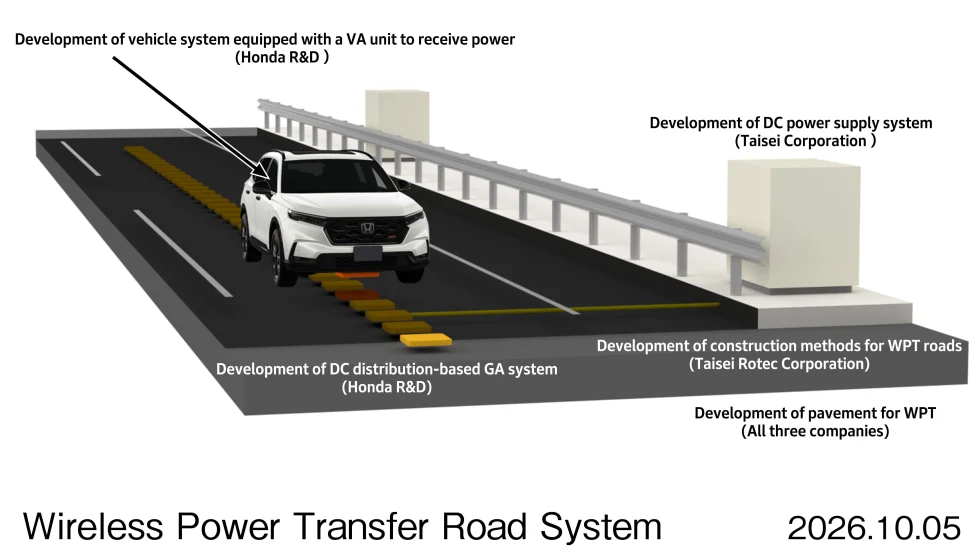
Charging In Motion
Honda has been researching wireless in-motion charging for electric vehicles since 2025, and new technology developments have put it a step closer to a final product.
Read More →
Twin Cities Stores Sell
Minnesota-based Walser Automotive Group made what it called the most significant acquisition in its history with a three-rooftop deal in Minneapolis.
Read More →
U.S. Auto Sales Still Below Prepandemic Levels
Mobility Global industry observers don’t expect the market to return to the higher volumes that became routine before Covid but to stay well below its potential.
Read More →
The Powertrain Shift
Electric-vehicle owners are backpedaling, according to new data, with product availability driving many to shift back to gas-powered engines.
Read More →
Achromatic Autos
The shades that dominate the U.S. car market don’t call attention to themselves, though grayscale may have plateaued after a 30-year upswing, research shows.
Read More →
Used-Vehicle Affordability Worsens
Listing prices in August defied seasonal trends, rising above $27,000 for the second time this year.
Read More →