


GM Financial Not Looking to Replace GMAC

GM Financial’s rollout of a prime leasing program in 16 states may seem to indicate that the company formerly known as AmeriCredit is leaving its roots behind. Company officials, however, maintain that the former subprime finance company is merely sticking with the game plan General Motors set forth when it purchased the company last October: fill the finance gaps.
Since successfully piloting a new GM prime lease program in Ohio last December, the company has expanded the lease offering into 15 additional states — with eight states added last week. The goal now is to expand the program nationwide by this summer.
“We have been, historically, a subprime retail installment lender,” said Caitlin DeYoung, spokesperson for GM Financial. “When we were acquired by GM, the purpose was to fill in the financing gaps. Our main focus was to get a leasing program out and prime leasing was the first priority.”
Aside from Ohio, the prime lease program is now available in Connecticut, Delaware, Indiana, Kentucky, Maine, Maryland, Massachusetts, New Hampshire, New Jersey, New York, Pennsylvania, Rhode Island, Vermont, Virginia and West Virginia. reported F&I and Showroom.
Officials said the company also is eyeing a return to the Canadian market by the middle of the year or sooner, and has rehired Howard Cobham, its former Canadian auto finance executive, to lead that effort. His first order of business will be to roll out the prime leasing program in that market.
DeYoung said the company also is considering an expansion of its lease offerings to customers downstream on the credit spectrum. The company spokeswoman said that won’t happen until the prime program is rolled out nationally.
As for retail installment contracts, DeYoung said originations will outpace what AmeriCredit did last year, but would not offer a target increase. She added that although GM Financial is being positioned to help GM dealers, the former independent finance company will continue to serve non-GM dealers under the AmeriCredit banner.
“We are building out different products for GM dealers, but we have not stated what our target is on originations. It’ll definitely be an increase from the prior year,” DeYoung said. “Our current infrastructure is not built to take on 80 percent of GM’s business and we’re not looking to do that. What we are looking to do is provide a competitive financing option for GM dealers.”
The two top executives for GM Financial, Dan Berce, and Ally Financial Inc., Tim Russi, underscored this goal earlier this month in San Francisco at the American Financial Services Association’s 2011 Vehicle Finance Conference and Exposition, when they appeared together for the event’s annual CEO panel.
Russi talked about the benefits of Ally’s bank-holding status, saying that the company has been able to diversify its sources of funding. He also talked about the company’s recent successes in the securitization market, and acknowledged that the company must continue to mend dealer relationships that were strained during the downturn.
Berce described to the packed audience how AmeriCredit went from the brink of collapse in the spring of 2008 to survival in early 2009. And after describing the moment he learned GM was interested in purchasing the company, he fielded a question from the audience on whether his company and Ally Financial could coexist.
“GM bought us not to be the new GMAC; they bought us to plug the gaps,” Berce responded. “They bought us to bring back leasing.”
More Industry
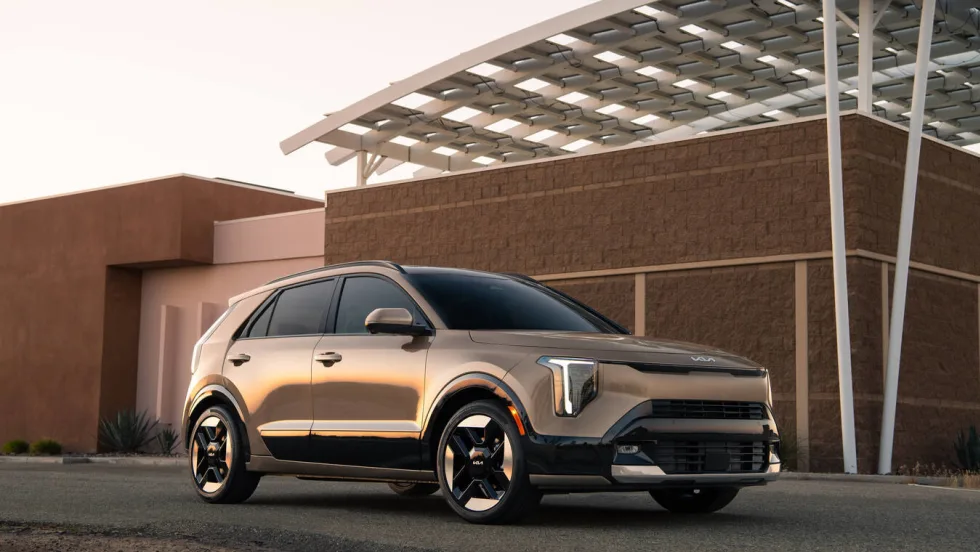
Kia Closes Out Summer With a Bang
Its U.S. subsidiary broke multiple records in August, in part due to a surge of demand for hybrids models.
Read More →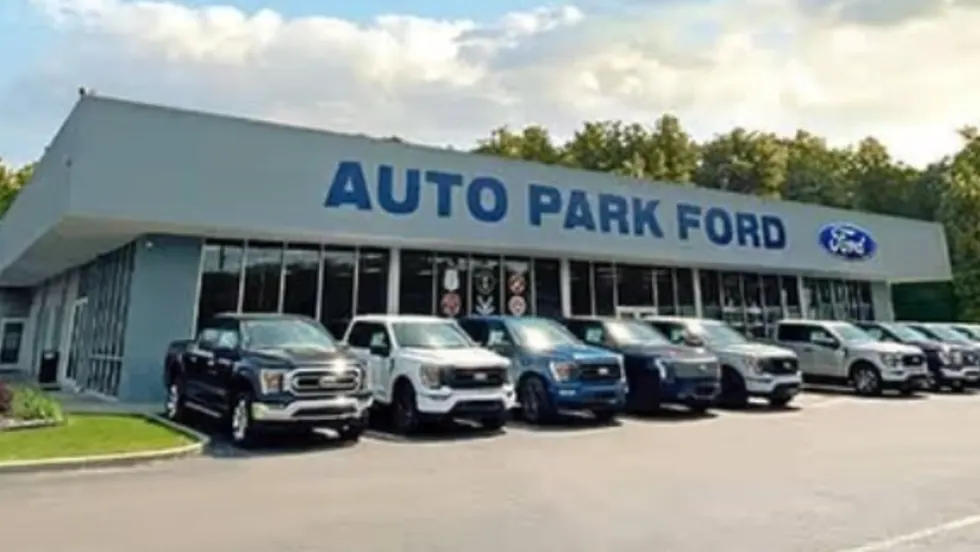
Indiana Dealership Changes Hands
A 30-year-old Ford dealership in Indiana has a new owner and will soon be undergoing renovations to meet manufacturer requirements.
Read More →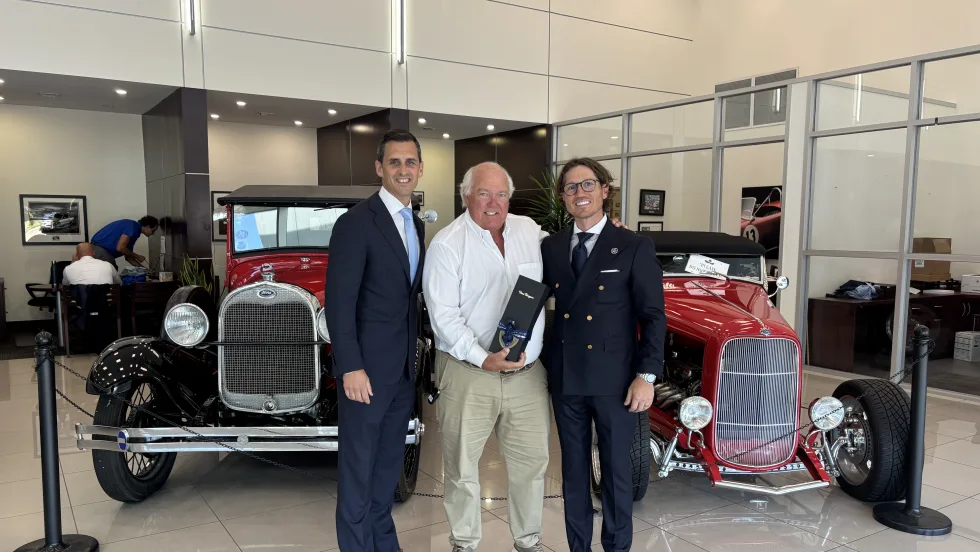
Texas Dealership No Longer in the Family
The Ford store, a longtime cornerstone of the Houston market, is now part of one of the fastest-growing U.S. auto groups.
Read More →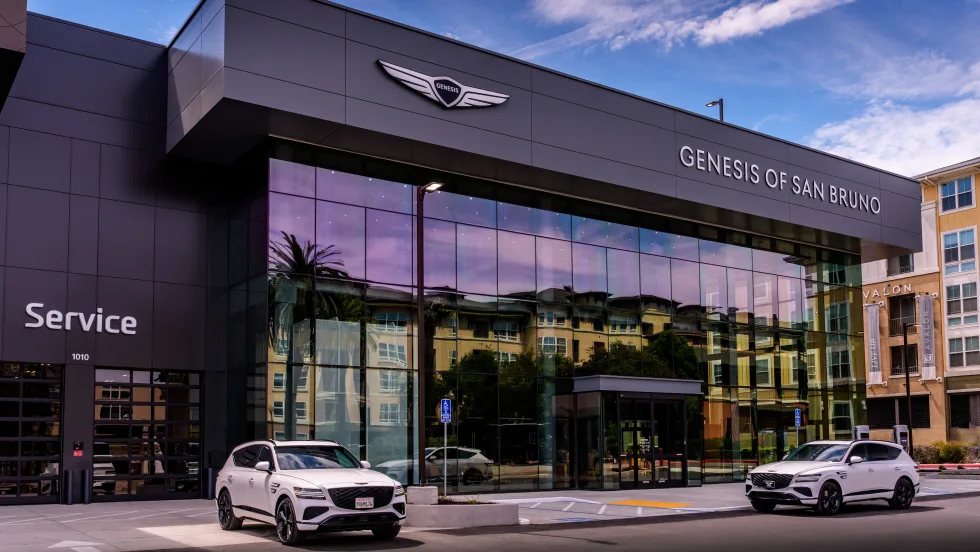
Genesis Grows California Presence
The Cardinale Automotive Group opened its third Genesis rooftop in the Golden State, Genesis of San Bruno, a stand-alone dealership serving the San Francisco Bay Area.
Read More →
August Auto Sales a Mixed Bag
An early forecast shows strong business despite consumer hurdles, and hybrids are a big piece of their affordability coping strategy.
Read More →
EV Market Humming Along
July sales show steady growth as the segment stabilizes from last year’s artificial surge following pullback of federal support.
Read More →
Auto Loan Delinquency Rates Stabilize
Auto loans are a main driver of nonmortgage consumer debt, but delinquency rates stabilized in the second quarter across all credit risk tiers.
Read More →
EV Sales Recover in Q2
The EV sales roller coaster continues as numbers show improvement, but industry experts predict a year-over-year third-quarter decline and fourth-quarter jump.
Read More →
The Cheapest Hybrids to Fuel
The powertrain is increasing in popularity, in no small part due to its fuel economy. A new report lists the most efficient hybrids on the market.
Read More →
Hybrids and SUVs Gaining Ground
The most recent Kelley Blue Book Brand Watch found that only two nonluxury brands increased in shopper consideration, buoyed by their hybrid and SUV offerings.
Read More →