


GM, Honda Start Commercial Hydrogen Fuel Cell Production
Say joint venture part of what they envision as growing role of hydrogen in alt-fuel options.

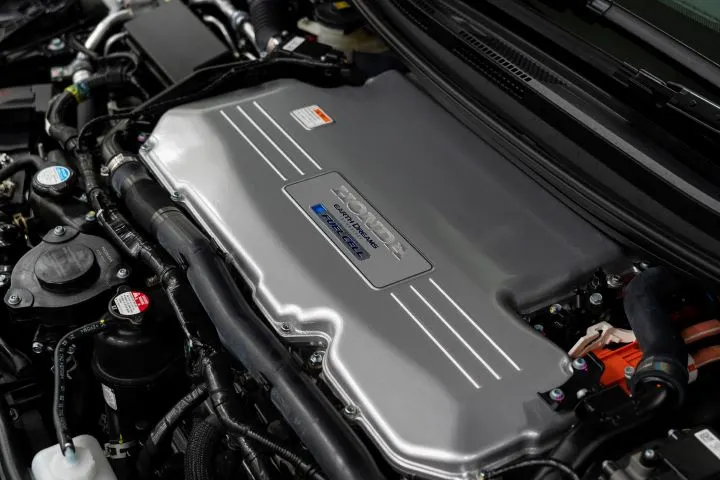
Honda said it will launch the CR-V FCEV this year as the 'only fuel cell electric passenger vehicle made in America.'
IMAGE: Honda
Electric vehicles get a lot of press, but some automakers are working on other alternative fuel technologies, including a joint hydrogen fuel cell project by General Motors and Honda that has started commercial production.
The plant, established in 2017 by the 50-50 venture between the Detroit-based GM and the Japanese brand, is producing fuel cells in Brownstown, Mich., south of the Motor City.
GM said in a press release about what it calls a “pivotal moment in the commercialization of hydrogen fuel cell systems” that the companies will use the product of the venture on various products. It called the production launch “a historic day for the industry” as the venture starts “volume production of fuel cells for transportation and beyond.”
“We brought a mass production mindset with attention to detail and a focus on high quality, and now we are ready to meet the needs of the customers for the future applications of fuel cell technology and the beginning of the hydrogen era,” said the venture’s vice president, Tetsuo Suzuki.
The companies say they started developing the fuel cell system behind the production in 2013 and that it doubles durability over the fuel cell in the 2019 Honda Clarity. Honda said fuel cell vehicles are one of four areas it plans to use the technology in its overall business and that it will launch the CR-V FCEV this year as the "only fuel cell electric passenger vehicle made in America."
The automakers say they believe hydrogen will become a bigger player in the mix of zero-emissions options for energy and mobility applications.
Originally posted on Auto Dealer Today
More Product & Technology

Set Yourself Apart
Product providers can follow the lead of industry cohorts in the practice of leveraging their brands through private labeling, pumping new energy into their platforms to stand out from competitors.
Read More →
EVs Excel at Longevity
Research finds that after a certain mileage point, they outlast gas and diesel vehicles despite being driven more.
Read More →
Integrating AI Into Your Admin System
It’s important for finance-and insurance administrators to build the technology into their existing systems instead of bolting it on.
Read More →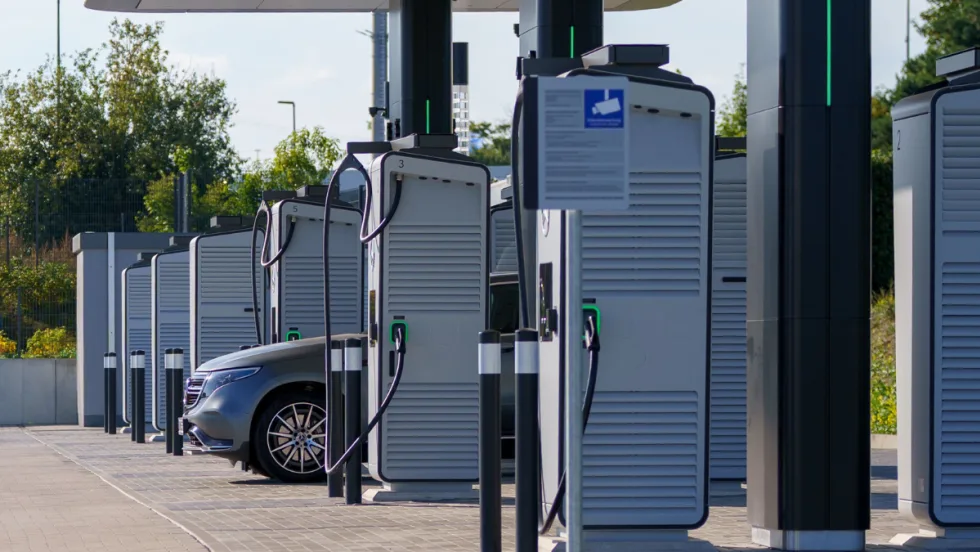
Public EV Charging Improves
The infrastructure buildout in the U.S. is providing more availability and safety at a better cost, according to the latest EV experience study by JD Power.
Read More →
AI in the Dealership
A Cox Automotive poll shows most dealers use it, but only some have found the smartest ways to adapt the surging technological sensation.
Read More →
AAA Honors Service and Repair Facilities
Three automotive dealerships made AAA's Service Providers of Excellence and Best in Repair list this year.
Read More →
EFG Launches Product Admin Platform
The company says the offering is designed to empower administrators, service contract providers, and product marketers to expand automotive and power-sports capabilities.
Read More →
Optimized Charging Could Reduce Costs
According to an Alliance for Automotive Innovation analysis, optimized EV charging could cut costs for drivers and improve grid infrastructure - potential adoption incentives.
Read More →
From Inspection to Impact
Data, video and artificial intelligence are driving service performance today, when inspection performance is closely tied to key business outcomes.
Read More →
Car Karaoke Gets Official Platform
The in-vehicle karaoke and sing-along platform by Samsung arm is meant to add traveling enjoyment safely in technology that automakers can tailor to their specific needs.
Read More →