


GM Unveils Technology to Help Avoid Child Heatstroke Deaths

General Motors Co said on Tuesday it will introduce a new safety system to remind drivers to check for children in the rear seats, and that it could eventually develop features to detect forgotten children, reports Reuters.
The Detroit automaker showed off its 2017 Acadia SUV that includes what it says is an industry-first feature that will alert drivers who had opened the back door at the start of a trip to check the beak seat once they get to their destination.
"Too many children are inadvertently left behind in vehicles, often with tragic results. It's hard to fathom but it does happen, leading to dozens of fatal heatstrokes in children under 14 every year," said GM product planning chief Mark Reuss.
The system "does not detect the presence of a child in the back seat but as a simple extra reminder to look in the rear seat on the way out of the vehicle regardless of what may be there," Reuss said.
He also said that the Acadia is one of the most popular GM vehicles for buyers with children.
While the new GM system won't be able to sense if a child has been left behind, Reuss said GM could eventually add that capability.
Reuss said GM "has some pretty sophisticated anti-theft motion deterrent systems" and it is possible the automaker could add technologies to detect a child left in a parked vehicle.
The move comes as GM looks to bolster its safety reputation after it recalled a record-setting 30.4 million vehicles in 2014 in North America. GM paid a $900 million U.S. Justice Department fine in September to end an investigation into ignition switch defects linked to 124 deaths and 275 injuries.
In July, the National Highway Traffic Safety Administration said it has no plans to require automakers to add in-vehicle technology that would alert those who leave young children behind in hot cars.
NHTSA Administrator Mark Rosekind said in July that if automakers "develop (systems), and they work, and they’re effective, we don’t need to get into it."
Between 1998 and 2014, there were an average of 38 U.S. deaths a year in hot cars, according to San Jose State University.
Around half were children accidentally left in hot cars, 29 percent were children playing in unattended cars and 18 percent were intentionally left behind. That means a technological fix would likely address only about half of the total deaths.
More Industry
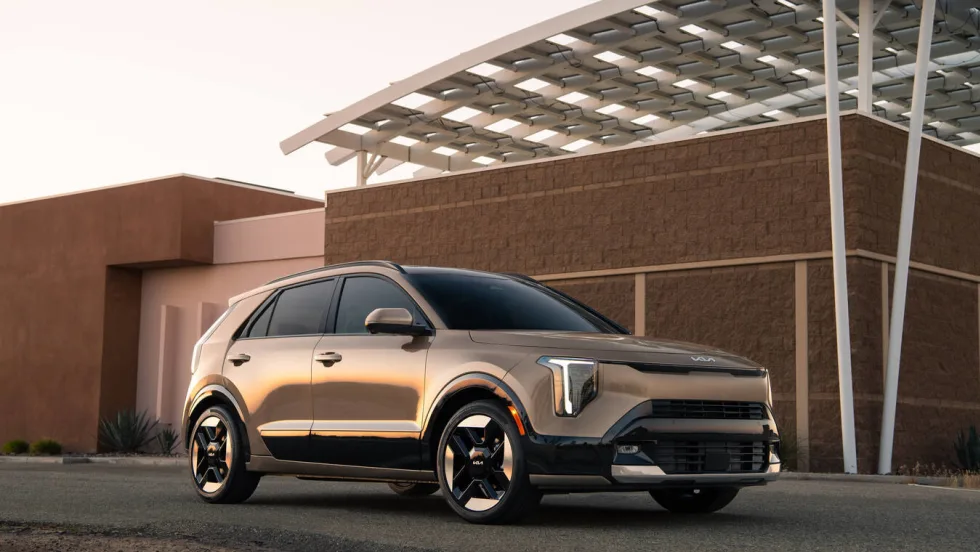
Kia Closes Out Summer With a Bang
Its U.S. subsidiary broke multiple records in August, in part due to a surge of demand for hybrids models.
Read More →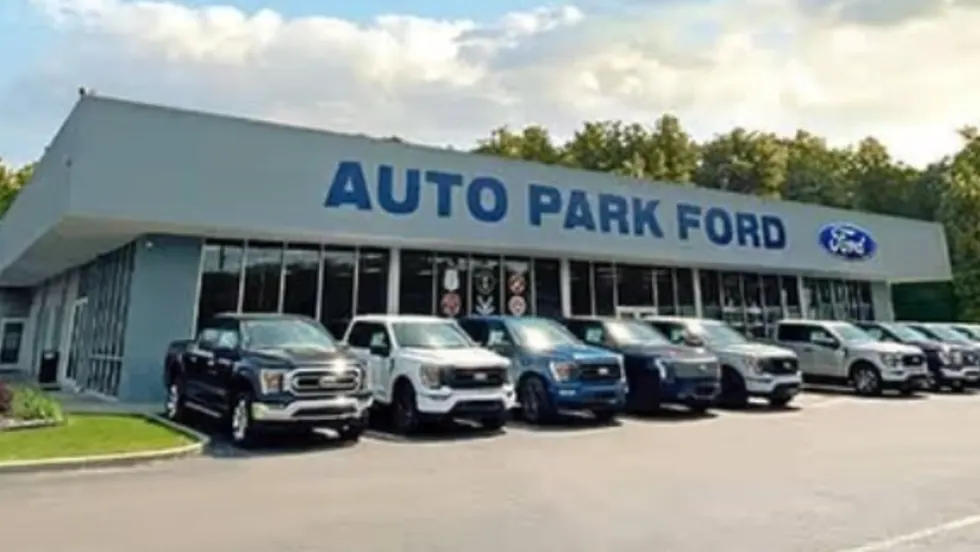
Indiana Dealership Changes Hands
A 30-year-old Ford dealership in Indiana has a new owner and will soon be undergoing renovations to meet manufacturer requirements.
Read More →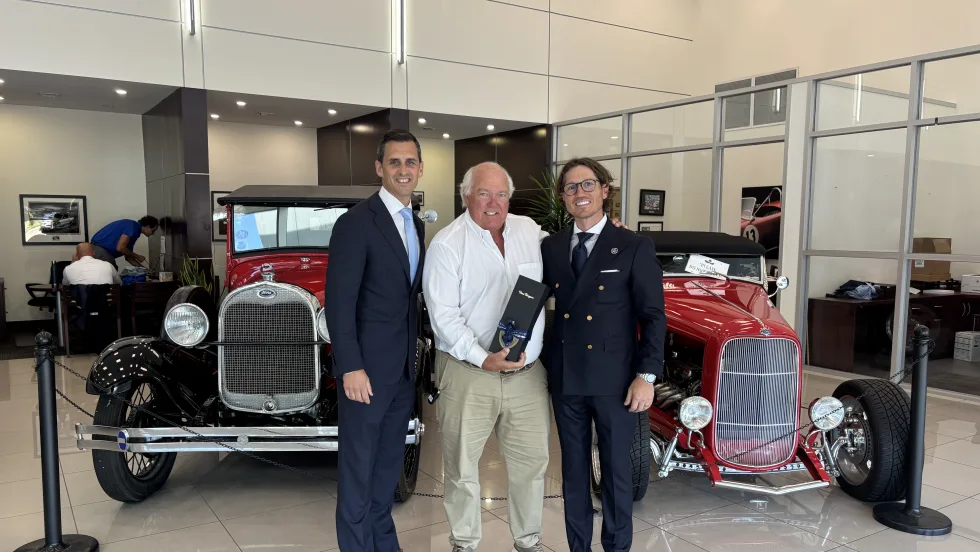
Texas Dealership No Longer in the Family
The Ford store, a longtime cornerstone of the Houston market, is now part of one of the fastest-growing U.S. auto groups.
Read More →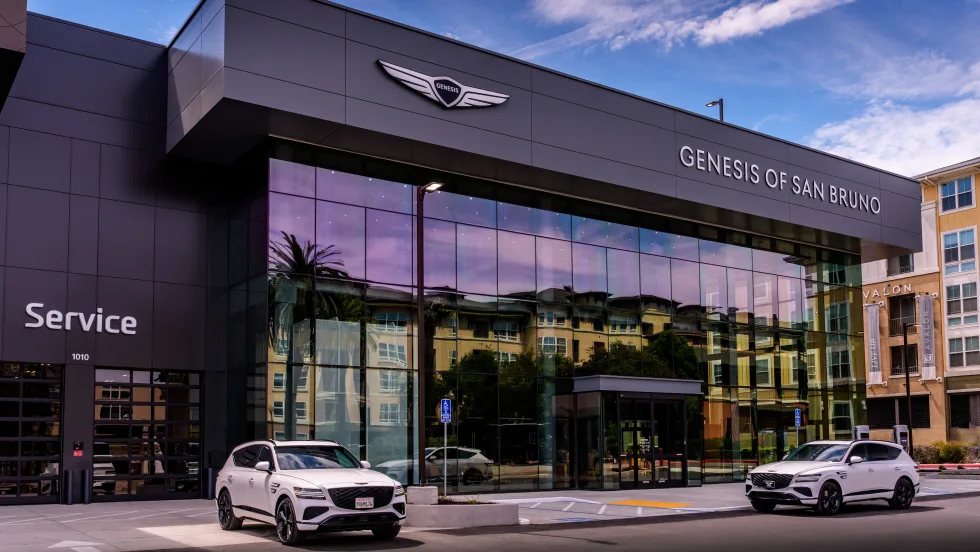
Genesis Grows California Presence
The Cardinale Automotive Group opened its third Genesis rooftop in the Golden State, Genesis of San Bruno, a stand-alone dealership serving the San Francisco Bay Area.
Read More →
August Auto Sales a Mixed Bag
An early forecast shows strong business despite consumer hurdles, and hybrids are a big piece of their affordability coping strategy.
Read More →
EV Market Humming Along
July sales show steady growth as the segment stabilizes from last year’s artificial surge following pullback of federal support.
Read More →
Auto Loan Delinquency Rates Stabilize
Auto loans are a main driver of nonmortgage consumer debt, but delinquency rates stabilized in the second quarter across all credit risk tiers.
Read More →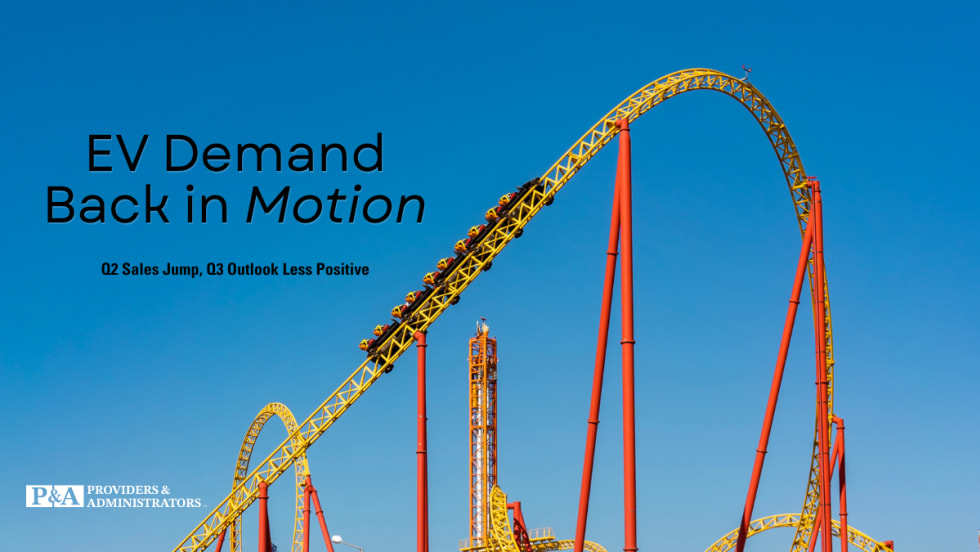
EV Sales Recover in Q2
The EV sales roller coaster continues as numbers show improvement, but industry experts predict a year-over-year third-quarter decline and fourth-quarter jump.
Read More →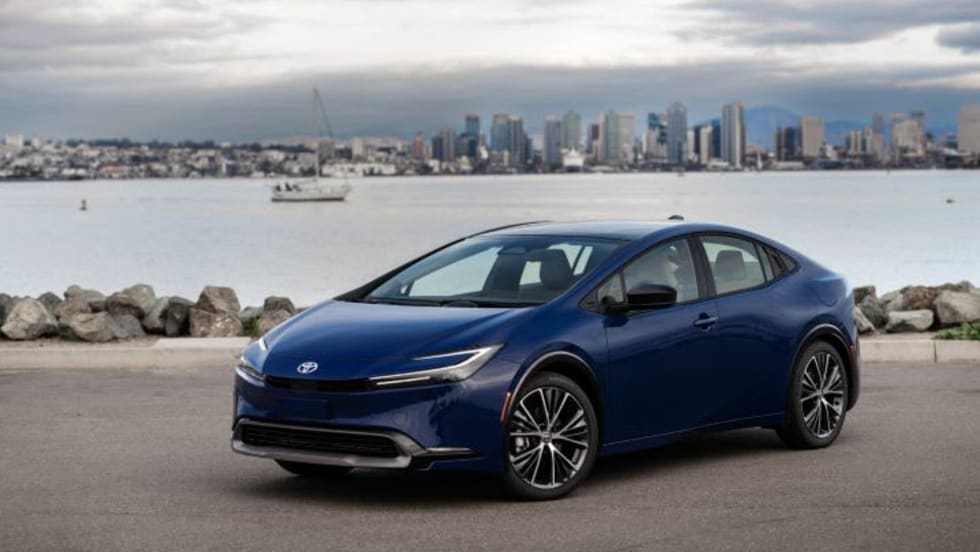
The Cheapest Hybrids to Fuel
The powertrain is increasing in popularity, in no small part due to its fuel economy. A new report lists the most efficient hybrids on the market.
Read More →
Hybrids and SUVs Gaining Ground
The most recent Kelley Blue Book Brand Watch found that only two nonluxury brands increased in shopper consideration, buoyed by their hybrid and SUV offerings.
Read More →