


GM's, Chrysler's White-Collar Bonuses Critical, Analysts Say

The bonuses General Motors Co. and Chrysler Group LLC are paying to about 36,800 white-collar workers are critical to recruiting and retaining talent in a competitive marketplace, analysts said Friday.
The carmakers, less than two years out of bankruptcy and still owing the federal government billions of dollars, are playing catch-up with employee compensation after years of cutting costs and benefits as the economy tanked, analysts said.
Chrysler on Friday paid out bonuses averaging about $10,000 to 10,800 salaried workers — its first payout in five years. The company's last round of bonuses, in 2006, averaged about $9,000 per worker.
GM said most of its 26,000 white-collar workers — more than 96 percent — will receive performance pay ranging from 4 to 16 percent, based on worker responsibility and pay level.
A few GM and Chrysler workers — fewer than 1 percent — will receive bonuses of 50 percent or more. GM declined to elaborate further or say when workers would be paid.
This will be the first significant bonuses some salaried workers have received in years, reported The Detroit News.
"Surely, if they were paying out bonuses that were clearly unjustified, that'd be a problem," said Martin Zimmerman, a business administration professor at the University of Michigan. "But they're running a business. And an important part of a business is retaining a highly talented work force."
The moves by Chrysler and GM come as the automakers strive to keep their post-bankruptcy momentum going and need their best and brightest workers to pull it off. GM gave its white-collar workers a bump in base pay last year, hoping to bring salaries on par with other companies. They won't get an increase in base pay this year, but are eligible for performance bonuses.
Ford Motor Co., the only Detroit automaker not to take government bailout loans, plans to notify its white-collar employees of bonuses in March.
Because the government has a 33 percent stake in GM, bonuses for its 100 highest paid executive must receive U.S. Treasury approval.
The government restrictions also limit Chrysler from paying out bonuses to its top 25 employees, but the automaker has extended that to include its top 50 earners, said Chrysler spokeswoman Shawn Morgan. The U.S. Treasury owns a 9.2 percent stake in the company.
As the only privately held U.S. automaker, there were no stock options to sweeten the pot for workers or keep them from leaving for better-paying jobs, said analyst Joe Phillippi of AutoTrends Consulting in Short Hills, N.J. "If you don't want to pay your people, someone else will," he said.
The white-collar bonuses were not welcomed by all.
At least one hourly worker at Chrysler's Jefferson North plant groused about the payouts being too big, given all the concessions the United Auto Workers made to help the companies through bankruptcy.
The Detroit Big Three will also pay out profit-sharing bonuses to hourly workers this spring.
Contracts talks begin this summer between the UAW and the automakers.
UAW officials did not return phone calls Friday for comment.
U.S. Sen. Chuck Grassley, R-Iowa, sent a statement Friday questioning the bonuses.
"Since the taxpayers helped these companies out of bankruptcy, the taxpayers should be repaid before bonuses go out," Grassley said.
"Unfortunately, the Treasury Department never asserted ownership rights. It didn't put the taxpayers first."
The payouts for active white-collar workers at GM also raised some eyebrows among the automaker's salaried retirees.
"Since the salaried retirees participated in the sacrifices, we're hoping to participate in the prosperity as well," said John Christie, president of the GM Retirees Association.
More Industry
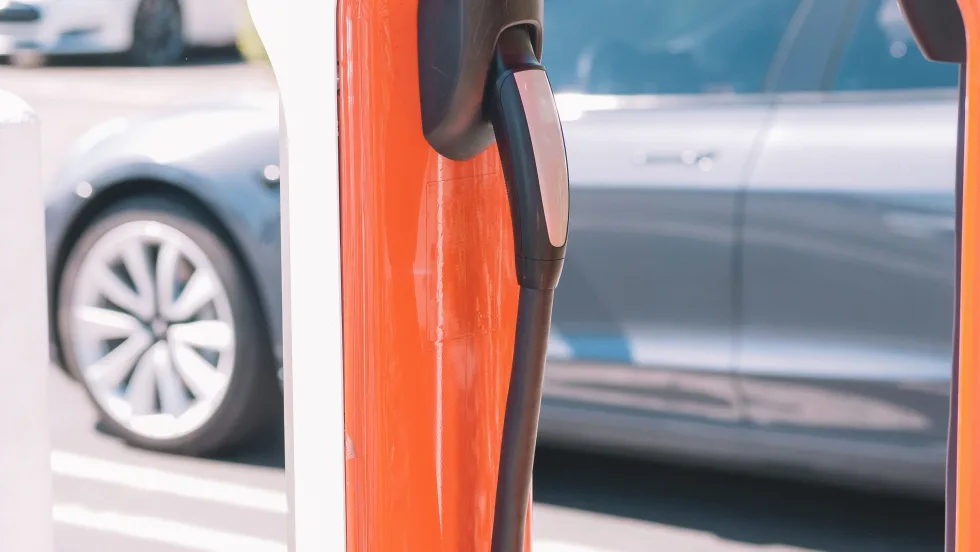
Charger Network Growth Slows
Despite a projected increase in public EV chargers in 2026, charging infrastructure remains a top concern for consumers as the gap between the most and least EV-friendly places remains substantial.
Read More →
Lenders, Consumers Take on More Auto Loan Risk
September records loosened credit access the most in over a decade as buyers took advantage of the conditions to afford trading, though loan applications fell.
Read More →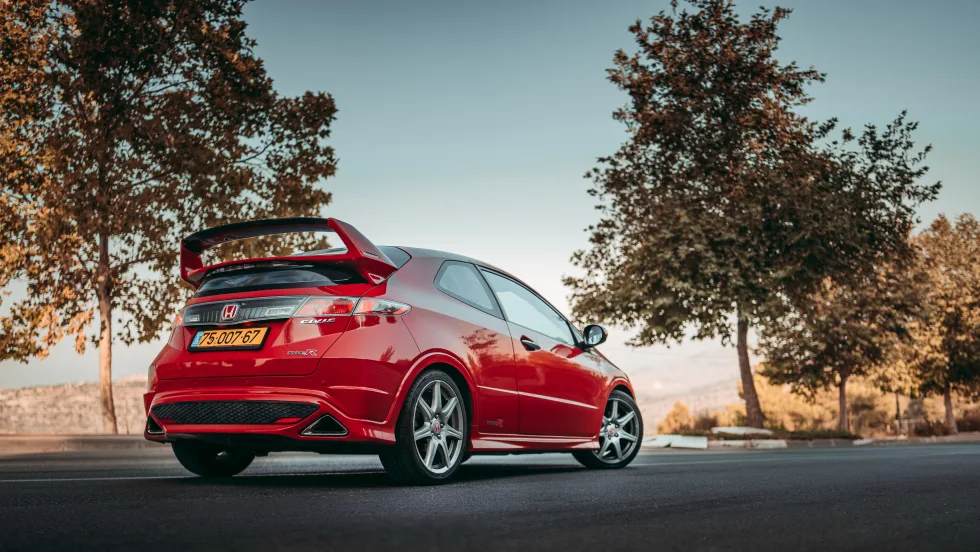
Next-Gen Hybrids in Sight
Dealerships can expect to see revamped hybrids from Honda next year as the company rolls out a new system and model lineup.
Read More →
Gem State Stores Change Hands
A larger auto group founded in the industry’s early years sold two franchises to a neighbor group that's on a growth spurt.
Read More →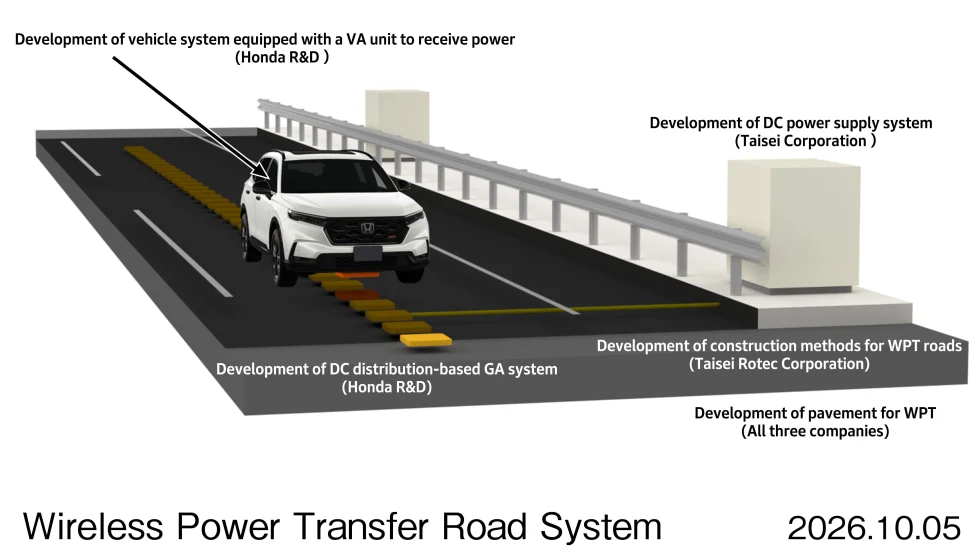
Charging In Motion
Honda has been researching wireless in-motion charging for electric vehicles since 2025, and new technology developments have put it a step closer to a final product.
Read More →
Twin Cities Stores Sell
Minnesota-based Walser Automotive Group made what it called the most significant acquisition in its history with a three-rooftop deal in Minneapolis.
Read More →
U.S. Auto Sales Still Below Prepandemic Levels
Mobility Global industry observers don’t expect the market to return to the higher volumes that became routine before Covid but to stay well below its potential.
Read More →
The Powertrain Shift
Electric-vehicle owners are backpedaling, according to new data, with product availability driving many to shift back to gas-powered engines.
Read More →
Achromatic Autos
The shades that dominate the U.S. car market don’t call attention to themselves, though grayscale may have plateaued after a 30-year upswing, research shows.
Read More →
Used-Vehicle Affordability Worsens
Listing prices in August defied seasonal trends, rising above $27,000 for the second time this year.
Read More →