


G.M.’s Profit Jumps 89% as U.S. Sales Grow Quickly

DETROIT — General Motors built surprisingly strong second-quarter results on the most basic automotive arithmetic — higher prices plus lower incentives.
The nation’s largest automaker said Thursday that it earned $2.5 billion during the quarter, an 89 percent increase from the year earlier period, beating investors’ expectations, according to The New York Times.
The company was profitable in all its global regions, but the biggest contribution by far came from its rapidly improving North American division.
G.M. said it earned $2.2 billion in its home market before interest and taxes, primarily because it was able to charge higher base prices on its cars and trucks and rein in rebates. G.M. increased base prices twice this year, and it will do so a third time when 2012 models appear in showrooms this fall.
The combined increases resulted in about a 2 percent rise in sticker prices, or about $500 per vehicle.
“We were able to get prices up and incentives down and that really highlighted the value of the product,” Daniel Ammann, G.M.’s chief financial officer, said in a conference call with reporters. “It was another solid quarter.”
Analysts, however, said G.M. would be hard-pressed to maintain the higher margins in the second half of the year. Demand for new vehicles has been soft, and automakers in Japan are increasing production after disruptions that resulted from the March earthquake and tsunami there.
Mr. Ammann said G.M. expected income in the second half of the year to be “modestly lower” than in the first half because of uncertain market conditions.
The company sliced its incentive spending in the United States by about 20 percent a vehicle during the second quarter compared with the first three months of the year, Mr. Ammann said. The average rebate in the quarter was $2,800, about $800 less than in the first quarter.
“Pricing and mix should naturally be expected to fade in the second half from unsustainably strong second-quarter levels,” Adam Jonas, an analyst for Morgan Stanley, said in a research report.
This year, G.M. has proved that its product revival is gaining traction with consumers.
The company improved its American sales by about 16 percent in the first seven months of the year compared with 2010. The overall market, by comparison, has risen about 11 percent.
New products like the Chevrolet Cruze compact car and Buick Regal sedan have led to a 24 percent increase in sales of its passenger cars.
And there are more new cars on the way. G.M. said on Thursday that it would begin building two new Cadillacs — a large sedan and a rear-wheel-drive compact car — beginning next year.
Mark Reuss, G.M.’s head of North American operations, said the product offensive was critical to the company’s future as it continued to shift more resources into cars rather than the light trucks it had relied on for years.
Fresher models are allowing G.M. to charge higher prices, Mr. Reuss told reporters at an industry conference in northern Michigan. “You can’t do that if you don’t have highly desirable product,” he said.
Mr. Reuss also said that G.M.’s biggest brand, Chevrolet, was in the midst of renewing and expanding its car lineup with the introduction of the Sonic subcompact this fall and a new mini-car, the Spark, next year.
The company, which shed debt and downsized drastically in its 2009 bankruptcy, has also amassed an impressive cash hoard to keep the new models coming.
G.M. ended the second quarter with $39.7 billion in cash reserves and available credit, compared with $33.6 billion in the period a year earlier.
The company is committed to keeping a large cash reserve to preserve what Mr. Ammann called a “fortress balance sheet” that can finance new products and insulate G.M. from a downturn in the market.
“We want to be able to withstand any external shock that comes along,” he said. “Nothing is more important than getting the right vehicles on the road.”
G.M. had less impressive results outside of North America. In Asia, it reported pretax income of $600 million in the second quarter, while in South America and in Europe it earned about $100 million in each region.
Over all, the company produced 2.4 million vehicles in the quarter, compared with 2.25 million in the same period a year earlier. Its global market share was 12.2 percent, up from 11.6 percent in the second quarter of 2010.
More Industry
Charger Network Growth Slows
Despite a projected increase in public EV chargers in 2026, charging infrastructure remains a top concern for consumers as the gap between the most and least EV-friendly places remains substantial.
Read More →
Lenders, Consumers Take on More Auto Loan Risk
September records loosened credit access the most in over a decade as buyers took advantage of the conditions to afford trading, though loan applications fell.
Read More →
Next-Gen Hybrids in Sight
Dealerships can expect to see revamped hybrids from Honda next year as the company rolls out a new system and model lineup.
Read More →
Gem State Stores Change Hands
A larger auto group founded in the industry’s early years sold two franchises to a neighbor group that's on a growth spurt.
Read More →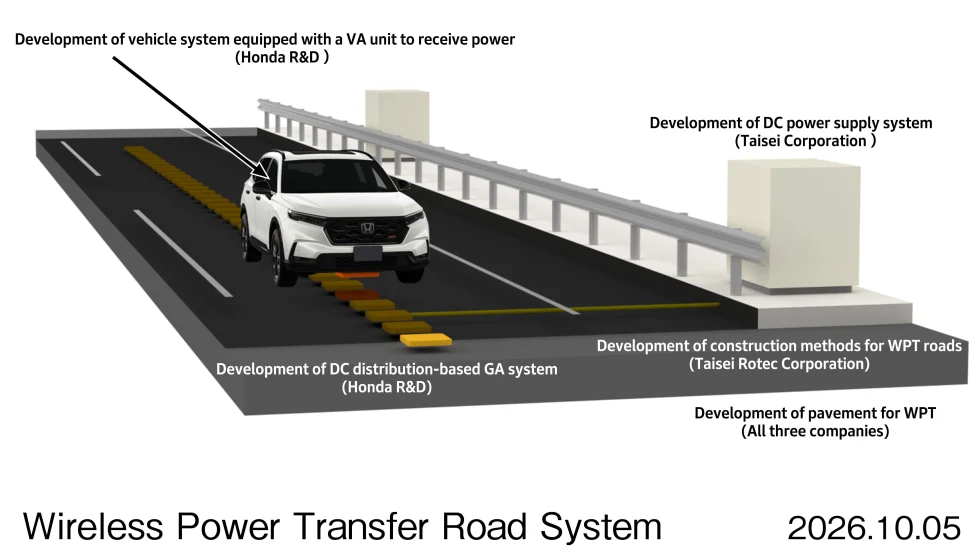
Charging In Motion
Honda has been researching wireless in-motion charging for electric vehicles since 2025, and new technology developments have put it a step closer to a final product.
Read More →
Twin Cities Stores Sell
Minnesota-based Walser Automotive Group made what it called the most significant acquisition in its history with a three-rooftop deal in Minneapolis.
Read More →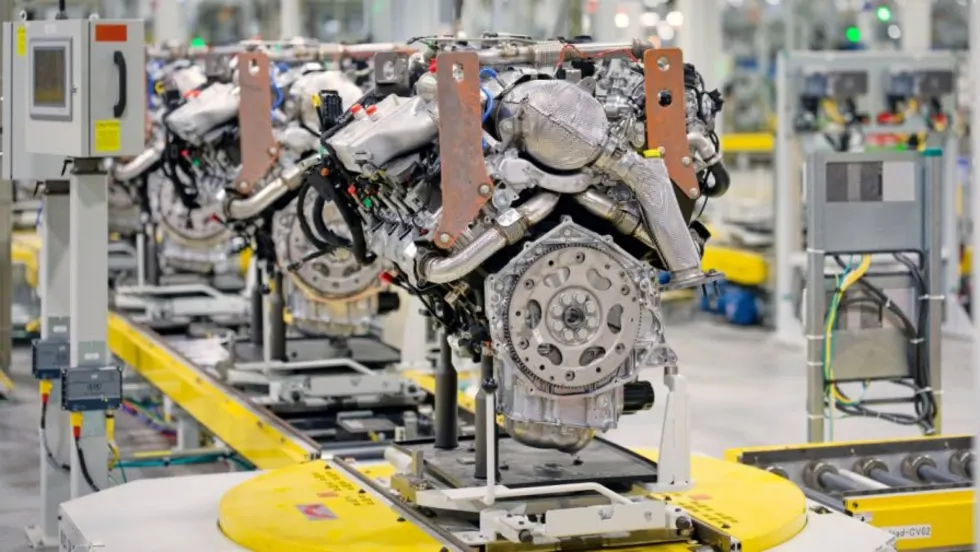
U.S. Auto Sales Still Below Prepandemic Levels
Mobility Global industry observers don’t expect the market to return to the higher volumes that became routine before Covid but to stay well below its potential.
Read More →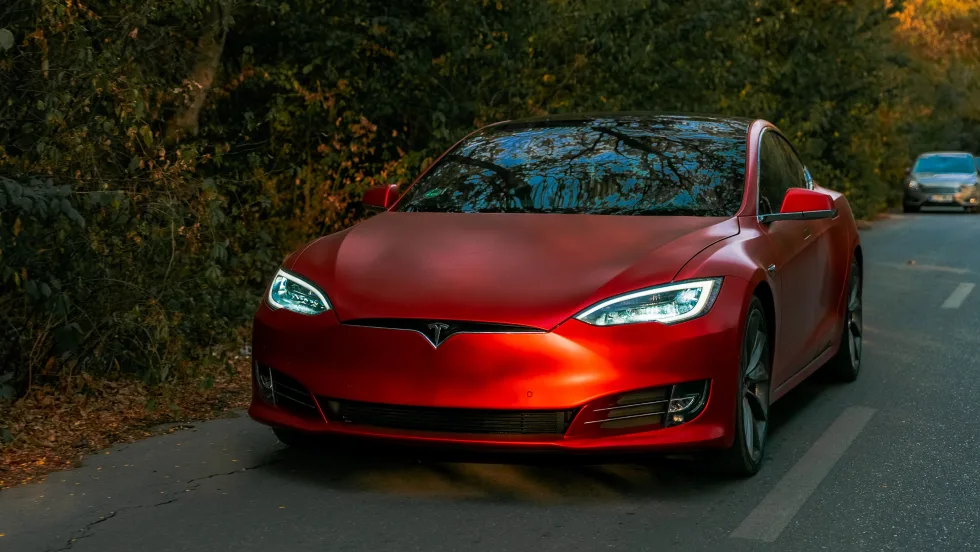
The Powertrain Shift
Electric-vehicle owners are backpedaling, according to new data, with product availability driving many to shift back to gas-powered engines.
Read More →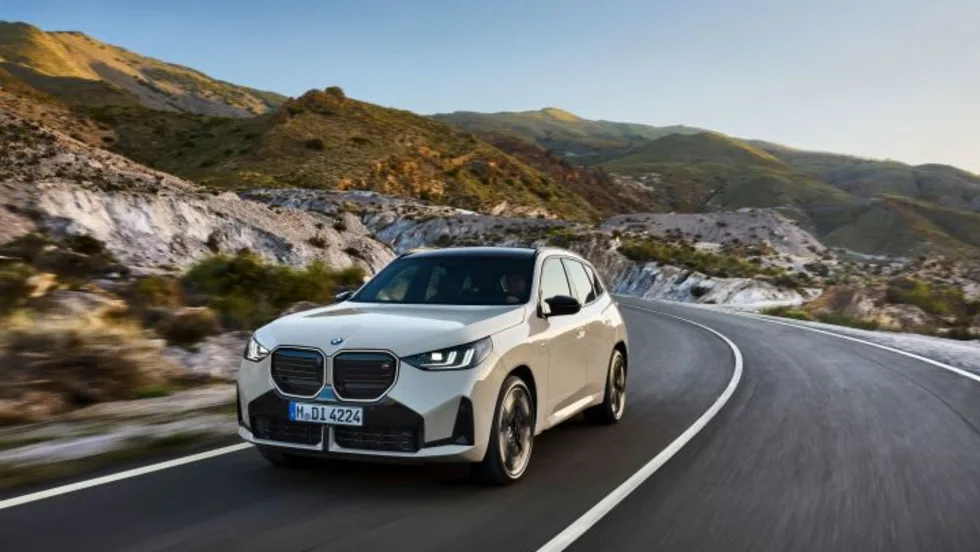
Achromatic Autos
The shades that dominate the U.S. car market don’t call attention to themselves, though grayscale may have plateaued after a 30-year upswing, research shows.
Read More →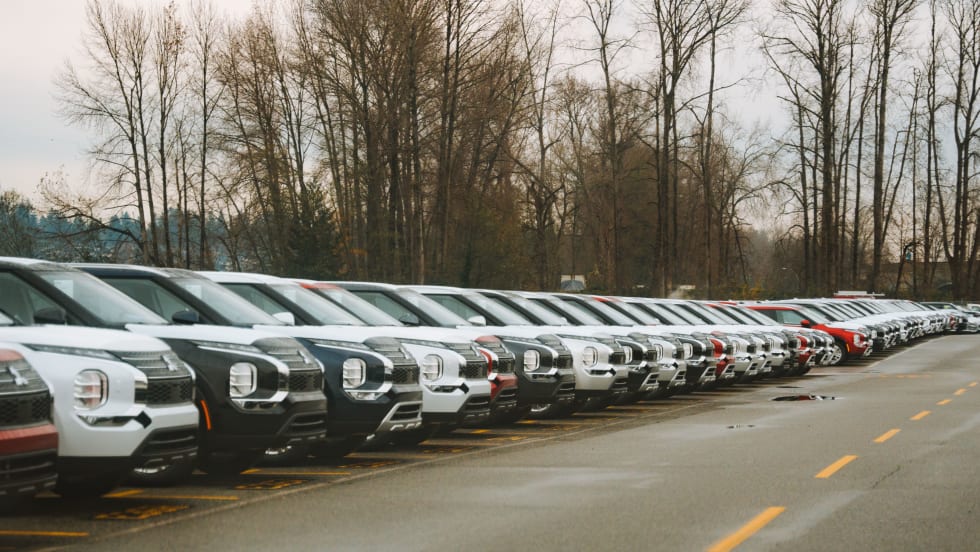
Used-Vehicle Affordability Worsens
Listing prices in August defied seasonal trends, rising above $27,000 for the second time this year.
Read More →