


‘Great Deleveraging’ Has Ended, Equifax Reports

ATLANTA — Based on consumer credit data collect by Equifax through November, the five-year run of debt deleveraging might be over. The credit reporting agency reported this week that nonmortgage credit balances reached their highest level since the Great Recession in November, totaling $3.1 trilling. Showing the biggest increase were credit balances for auto loans.
Credit balances for auto loans increased 9.6% on a year-over-year basis to $965 billion. Credit balances for retail- and bank-issued credit cards also increased 4.8% and 4.7% to $71 billion and $611.7 billion, respectively.
November also saw the total balance of nonmortgage write-offs fall to their second lowest level in eight year on a year-to-date basis, totaling $73.4 billion. The total balance of home-finance write-offs also fell to their second-lowest level in eight years on a year-to-date basis, totaling $91.2 billion.
"The Great Deleveraging has clearly ended and U.S. consumers are back in the borrowing business, but how they borrow has greatly changed from prior to the Great Recession," said Amy Crews Cutts, senior vice president and chief economist at Equifax. "Today, while auto loans make up 30.9% of nonmortgage consumer debt — just as they did in December 2007 at the recession's start — student loans have grown from 20.2% to a whopping 37.3%, and bank- and retailer-issued credit cards are down to 21.9% of consumer debt from 31.4%."
Equifax also reported that the total number of outstanding loans on a year-to-date basis in November was more than 70 million, the highest level in more than five years. Serious delinquencies, or auto loans 60 days or more past due, accounted for 1.04% of total balances — a decrease from 1.15% one year ago.
Additionally, the total number of new auto loans originated between January and September 2014 was 19.2 million, an increase of 4.7% from a year ago, according to Equifax. At the same time, the total balance of new credit originated was $391.6 billion, an increase of 7%.
"One way to read this change is that consumers now value investment (in their education and durable goods like cars) over immediate consumption, which is good for our economy over the long run,” Cutts noted. “But with the exception of new car production, sluggish consumption slows economic growth in the short-term, partially explaining the slower-than-hoped-for economic recovery."
More Industry
Charger Network Growth Slows
Despite a projected increase in public EV chargers in 2026, charging infrastructure remains a top concern for consumers as the gap between the most and least EV-friendly places remains substantial.
Read More →
Lenders, Consumers Take on More Auto Loan Risk
September records loosened credit access the most in over a decade as buyers took advantage of the conditions to afford trading, though loan applications fell.
Read More →
Next-Gen Hybrids in Sight
Dealerships can expect to see revamped hybrids from Honda next year as the company rolls out a new system and model lineup.
Read More →
Gem State Stores Change Hands
A larger auto group founded in the industry’s early years sold two franchises to a neighbor group that's on a growth spurt.
Read More →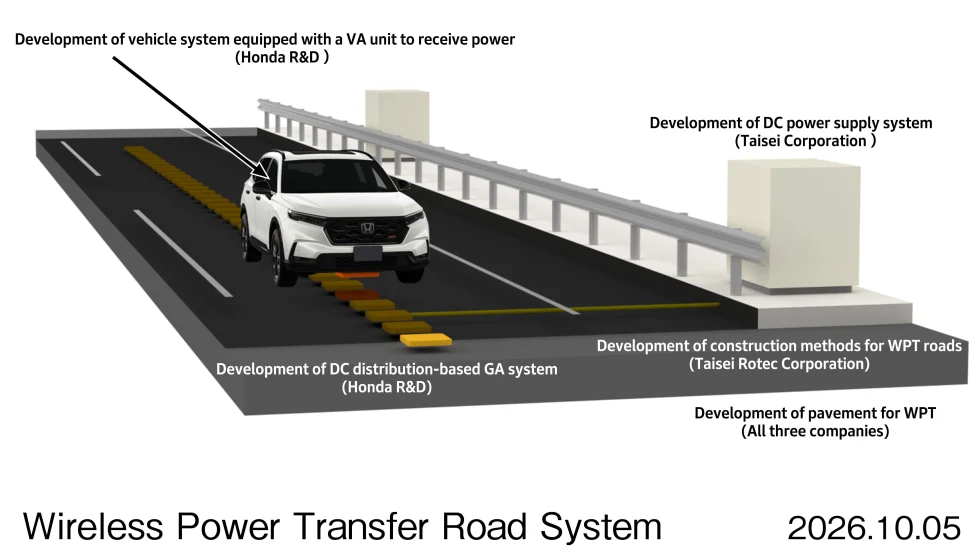
Charging In Motion
Honda has been researching wireless in-motion charging for electric vehicles since 2025, and new technology developments have put it a step closer to a final product.
Read More →
Twin Cities Stores Sell
Minnesota-based Walser Automotive Group made what it called the most significant acquisition in its history with a three-rooftop deal in Minneapolis.
Read More →
U.S. Auto Sales Still Below Prepandemic Levels
Mobility Global industry observers don’t expect the market to return to the higher volumes that became routine before Covid but to stay well below its potential.
Read More →
The Powertrain Shift
Electric-vehicle owners are backpedaling, according to new data, with product availability driving many to shift back to gas-powered engines.
Read More →
Achromatic Autos
The shades that dominate the U.S. car market don’t call attention to themselves, though grayscale may have plateaued after a 30-year upswing, research shows.
Read More →
Used-Vehicle Affordability Worsens
Listing prices in August defied seasonal trends, rising above $27,000 for the second time this year.
Read More →