


Group Calls for Better Vehicle, Road Design for Safety
IIHS says today’s proliferation of larger vehicles can present more danger for pedestrians, cyclists.


The good news is that crash-avoidance systems now in many vehicles have reduced rates of crashes involving pedestrians by 27% and have cut the severity of pedestrian injuries when crashes do happen.
Pexels/Brett Sayles
A traffic safety group called for automakers and road planners to make conditions safer for pedestrians and cyclists.
Both vehicle and road design are major factors in nonmotorists’ safety, said the Insurance Institute for Highway Safety in an article posted on its website.
“Design that accounts for human vulnerabilities and can accommodate mistakes made by drivers and other road users is the backbone of a safe system,” said IIHS Senior Vice President, Research, Jessica Cicchino in the post.
The piece says research shows larger vehicles, including SUVs, pickup trucks and light vans, are more likely to kill or seriously injure pedestrians and cyclists in a crash than are smaller vehicles like sedans. That difference is more relevant today because SUVs and trucks make up a much bigger share of vehicles sold than in the past. SUVs alone represented 36% of registered vehicles last year compared to 24% 10 years earlier, IIHS said.
The nonprofit insurance industry group said size and shape contribute to the heightened danger for nonmotorists in crashes with the larger vehicles. Visibility constraints are another possible factor.
The good news is that crash-avoidance systems now in many vehicles have reduced rates of crashes involving pedestrians by 27% and have cut the severity of pedestrian injuries when crashes do occur, the group said.
Meanwhile, IIHS is calling for road engineers to tweak their designs to reduce speed and otherwise make conditions safer for nonmotorists.
Originally posted on Auto Dealer Today
More Industry

First-Half Dealership Deals Up
Buy-sell activity shows that acquirers are looking for value and scale as many retailers seek to leave an increasingly competitive and complex market, Kerrigan Advisors reports.
Read More →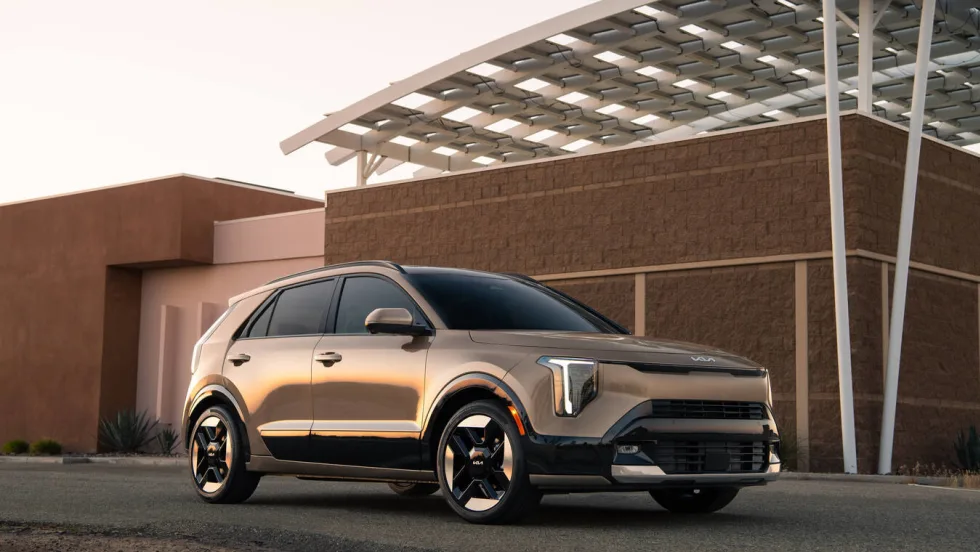
Kia Closes Out Summer With a Bang
Its U.S. subsidiary broke multiple records in August, in part due to a surge of demand for hybrids models.
Read More →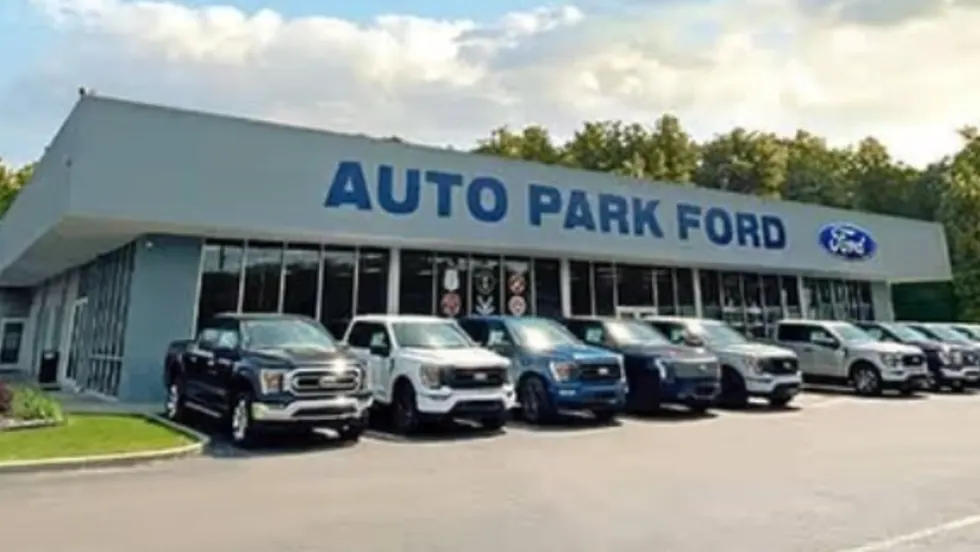
Indiana Dealership Changes Hands
A 30-year-old Ford dealership in Indiana has a new owner and will soon be undergoing renovations to meet manufacturer requirements.
Read More →
Texas Dealership No Longer in the Family
The Ford store, a longtime cornerstone of the Houston market, is now part of one of the fastest-growing U.S. auto groups.
Read More →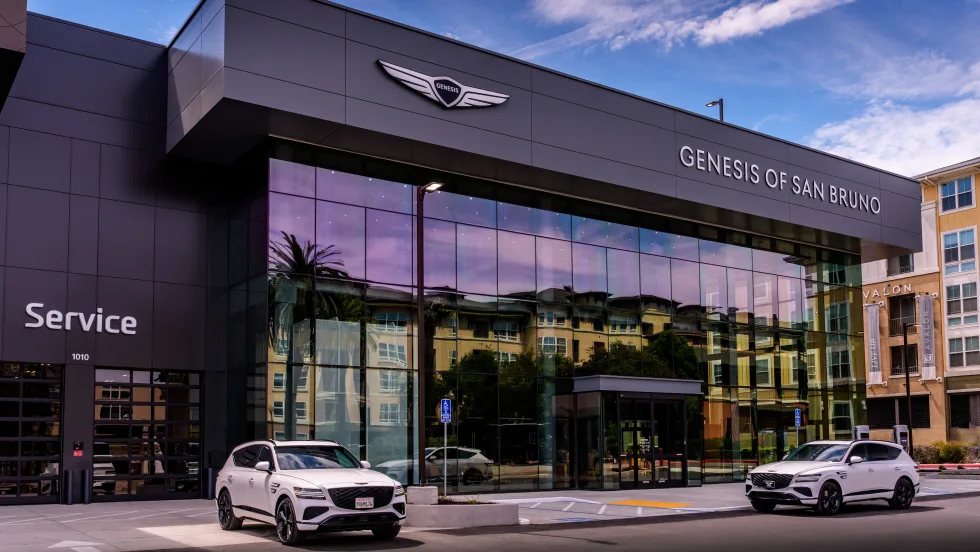
Genesis Grows California Presence
The Cardinale Automotive Group opened its third Genesis rooftop in the Golden State, Genesis of San Bruno, a stand-alone dealership serving the San Francisco Bay Area.
Read More →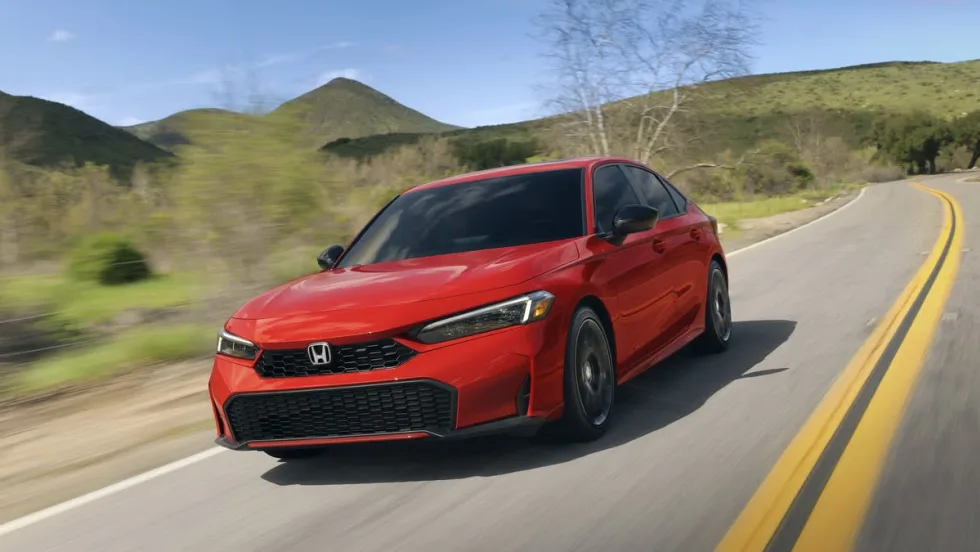
August Auto Sales a Mixed Bag
An early forecast shows strong business despite consumer hurdles, and hybrids are a big piece of their affordability coping strategy.
Read More →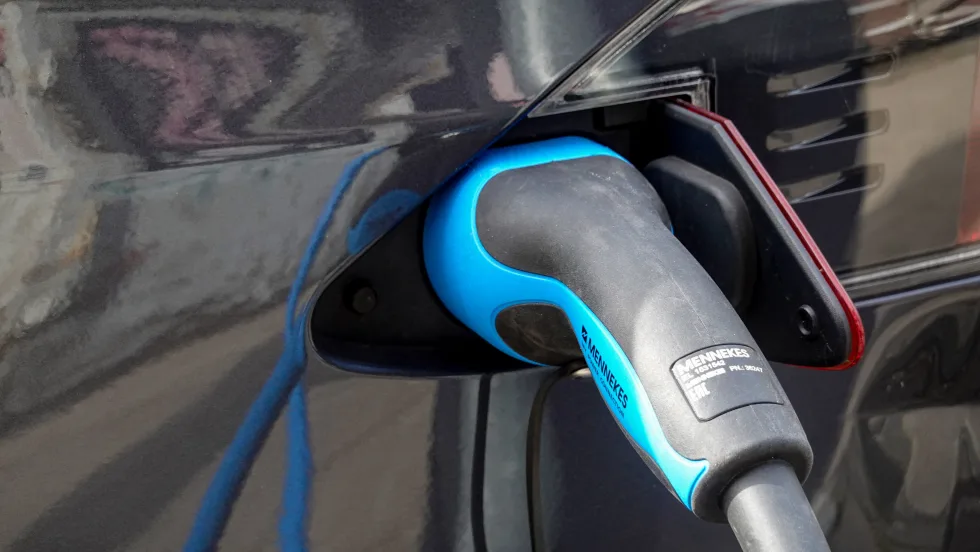
EV Market Humming Along
July sales show steady growth as the segment stabilizes from last year’s artificial surge following pullback of federal support.
Read More →
Auto Loan Delinquency Rates Stabilize
Auto loans are a main driver of nonmortgage consumer debt, but delinquency rates stabilized in the second quarter across all credit risk tiers.
Read More →
EV Sales Recover in Q2
The EV sales roller coaster continues as numbers show improvement, but industry experts predict a year-over-year third-quarter decline and fourth-quarter jump.
Read More →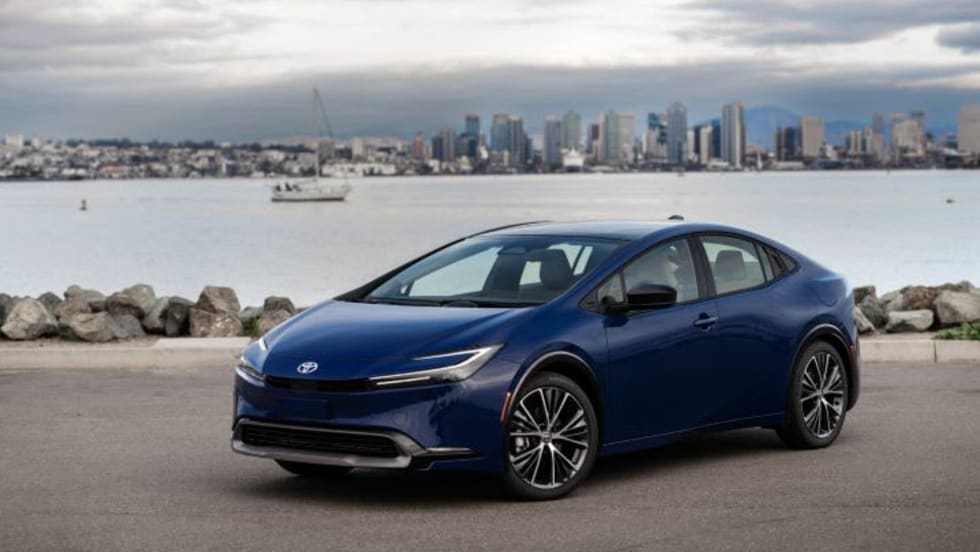
The Cheapest Hybrids to Fuel
The powertrain is increasing in popularity, in no small part due to its fuel economy. A new report lists the most efficient hybrids on the market.
Read More →