


Honda May Cut Profit Forecast as Market Turmoil Threatens Sales, CFO Says

Honda Motor Co., Japan’s third- largest carmaker, said it may revise its full-year profit forecast when it announces first-half earnings in October, depending on how long the current market turmoil lasts.
A prolonged drop in U.S. equities will lead to a decline in consumption and delayed car purchases, Honda Chief Financial Officer Fumihiko Ike told reporters in Tokyo today. The company is also concerned the yen may strengthen to the low 70s against the dollar, further hurting earnings from exports, Ike said.
U.S. stocks yesterday sank the most since December 2008 and European stocks today retreated for an eighth day, the longest losing streak since 2003, according to Bloomberg. Federal Reserve policy makers will hold a one-day meeting today as last week’s downgrade of the U.S.’s top credit rating by Standard & Poor’s fuels speculation the world’s largest economy may be headed for a recession.
“The question is what will happen to the macro economy and whether the current turmoil will persist over a prolonged period,” Ike said. “This is a new scenario” not incorporated into Honda’s current forecast, he said.
Honda raised its full-year net income forecast by 18 percent to 230 billion yen ($2.98 billion) on Aug. 1 on a quicker-than-expected recovery from the March 11 earthquake. The carmaker is basing its fiscal year forecast on 80 yen to the dollar and 112 yen to the euro.
“In the U.S., consumers react to the market very quickly, so it’s very possible that the consumer mindset will turn negative, and that people will refrain from purchasing new cars,” said Yuuki Sakurai, president of Fukoku Capital Management in Tokyo.
The Japanese currency today rose to as much as 77 against the dollar as investors shunned the U.S. currency after Standard & Poor’s cut the rating on the U.S.’s long-term debt to AA+. The yen’s strength last week prompted the government to sell the nation’s currency for the first time since March 18. A stronger yen cuts the value of repatriated profits from exports.
The Tokyo-based carmaker can meet its full-year forecast announced on Aug. 1 if the yen returns to 80 yen to the U.S. dollar, Ike said. Multilateral intervention is needed to prop up the dollar as last week’s unilateral action has proven to be ineffective, he said.
Every one yen gain against the dollar cuts Honda’s operating profit by 15 billion yen. A one yen gain against the euro reduces profit by 1 billion yen.
Honda has hedged against the dollar at 80 to 81 yen through the fiscal second quarter, Ike said.
While Honda has been conservative in estimating the U.S. auto market’s overall demand at 12.4 million units this year, “we will have to see how big the shock will be,” Ike said. The biggest risk is a global “chain reaction” from the U.S. and Europe, particularly to Asian economies that are tied to the U.S. dollar, he said.
Honda expects its sales in North America this fiscal year to drop 5.7 percent to 1.38 million units, it said on Aug. 1.
“Honda and other Japanese carmakers have been making up for lost production after the earthquake at a faster pace than expected,” said Masatoshi Nishimoto, an analyst at consulting company IHS Automotive in Tokyo. “If the U.S. market stalls, they’ll have to put the brakes on exports.”
Honda fell 2.8 percent to 2,722 yen at the 3 p.m. close in Tokyo, while the Nikkei 225 Stock Average declined 1.7 percent.
More Industry

First-Half Dealership Deals Up
Buy-sell activity shows that acquirers are looking for value and scale as many retailers seek to leave an increasingly competitive and complex market, Kerrigan Advisors reports.
Read More →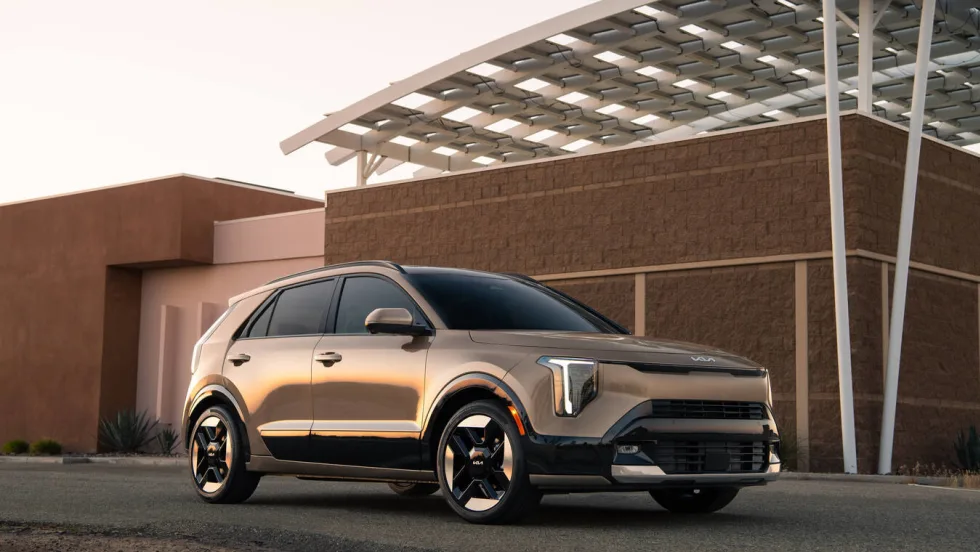
Kia Closes Out Summer With a Bang
Its U.S. subsidiary broke multiple records in August, in part due to a surge of demand for hybrids models.
Read More →
Indiana Dealership Changes Hands
A 30-year-old Ford dealership in Indiana has a new owner and will soon be undergoing renovations to meet manufacturer requirements.
Read More →
Texas Dealership No Longer in the Family
The Ford store, a longtime cornerstone of the Houston market, is now part of one of the fastest-growing U.S. auto groups.
Read More →
Genesis Grows California Presence
The Cardinale Automotive Group opened its third Genesis rooftop in the Golden State, Genesis of San Bruno, a stand-alone dealership serving the San Francisco Bay Area.
Read More →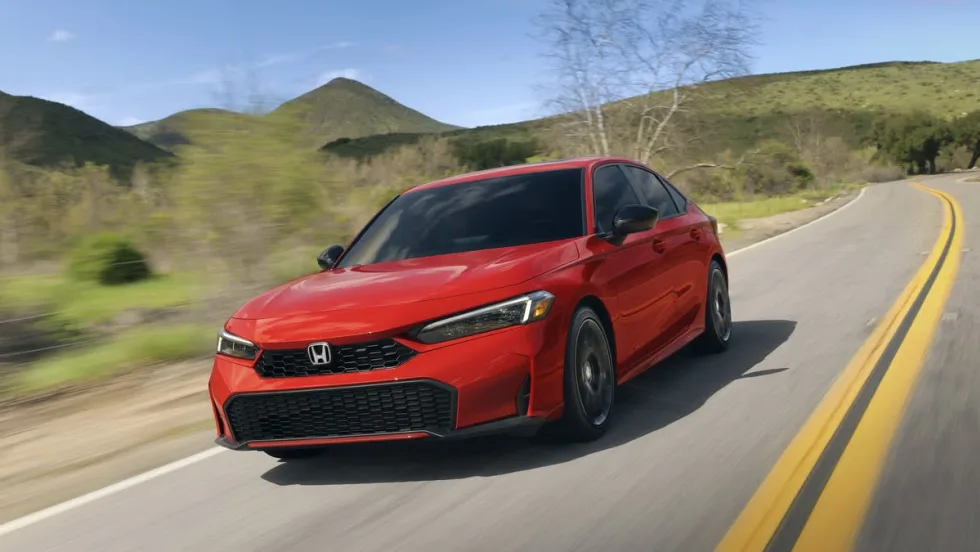
August Auto Sales a Mixed Bag
An early forecast shows strong business despite consumer hurdles, and hybrids are a big piece of their affordability coping strategy.
Read More →
EV Market Humming Along
July sales show steady growth as the segment stabilizes from last year’s artificial surge following pullback of federal support.
Read More →
Auto Loan Delinquency Rates Stabilize
Auto loans are a main driver of nonmortgage consumer debt, but delinquency rates stabilized in the second quarter across all credit risk tiers.
Read More →
EV Sales Recover in Q2
The EV sales roller coaster continues as numbers show improvement, but industry experts predict a year-over-year third-quarter decline and fourth-quarter jump.
Read More →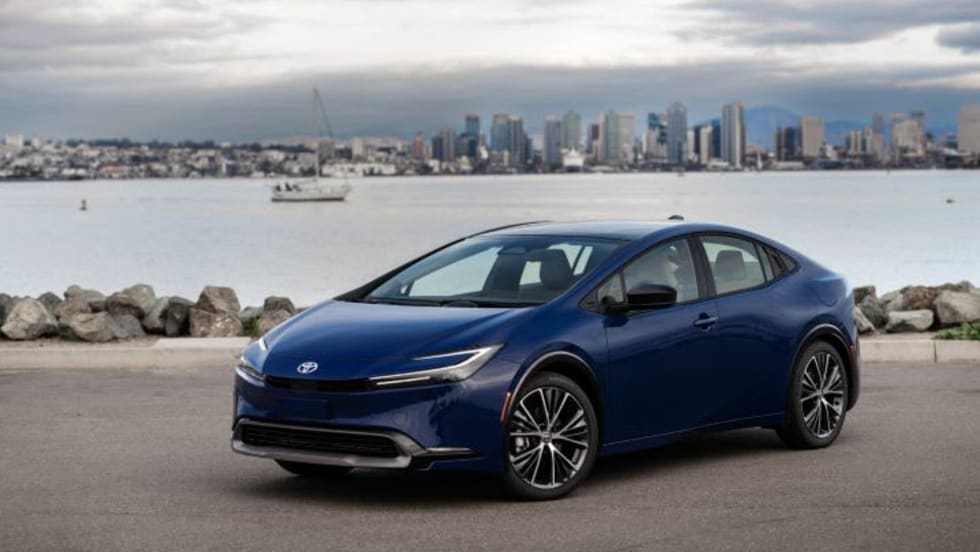
The Cheapest Hybrids to Fuel
The powertrain is increasing in popularity, in no small part due to its fuel economy. A new report lists the most efficient hybrids on the market.
Read More →