


How Dealers Can Influence EV Sales
Dealers can boost electric vehicle sales when they take an educational stance with consumers.

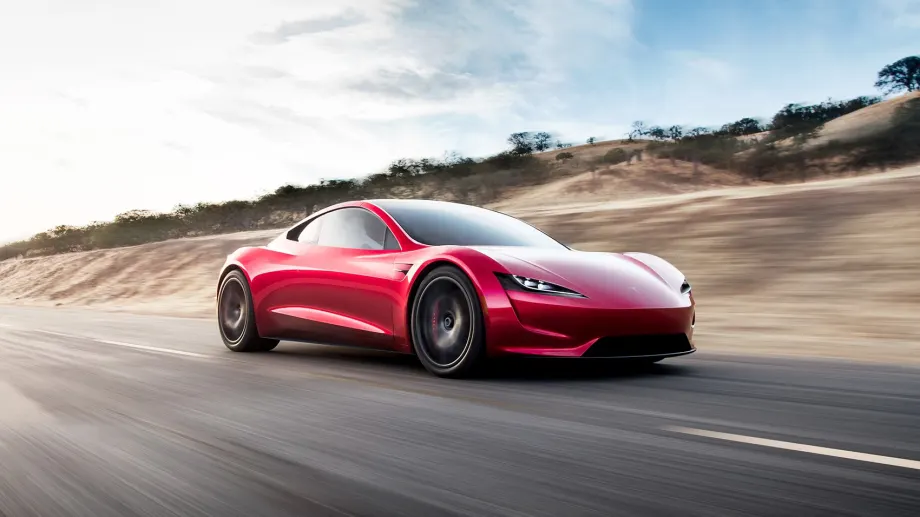
Tesla
Consumer surveys show dealerships play a major role in encouraging electric vehicle sales.
“Dealers have more influence than they think in EV purchase decisions. Dealers can take a lead role in educating consumers about EVs,” says Stephanie Valdez Streaty, Cox Automotive’s director-mobility and R&D, citing her company’s consumer surveys.
Education can include discussions on caring for EVs, battery systems that propel them, charging infrastructure and government tax incentives, according to Streaty.
Environmental advocates maintain dealers downplay EVs to steer customers toward vehicles powered by internal combustion (ICE) engines. The National Automobile Dealers Association (NADA) reports that is untrue. The trade group says dealers will sell any vehicle type to customers and that customer preference guides which vehicle they ultimately sell.
Cox research shows that NADA’s assertion is true, as EVs pivot more from a niche to a mainstream market.
In consumer surveys, “dealers’ knowledge of electrified vehicles (including hybrids) rated high,” Streaty said during an online presentation for the American International Automobile Dealers Association.
Dealerships that took part in the survey say they have invested in EV sales training with targeted messages. Still, Streaty says, helping consumers find all available incentives “is a big opportunity for dealers” and putting EV-specific information on dealer websites also presents an opportunity.
Consumer interest in EVs is growing and automakers, she says, are placing “big bets” on electrified vehicles, referencing $400 billion in commitments to R&D and production to support her claim.
Battery-electric vehicles and hybrids account for 9% of U.S. auto sales. Cox predicts this figure will rise to 35% by 2030.
Consumers, however, remain on the fence. A 2020 consumer survey found customers worry about EV driving range, limited access to charging stations, and high prices when compared to ICE vehicles.
But the charging infrastructure is growing, and more companies are entering the charging business. Streaty says. “There are now 127,000 charging ports and 48,000 charging stations in the U.S.” Range is also less of a worry than in the past. The estimated average EV range was 184 miles in 2019. Today, it’s 272 miles “and growing at a fast rate” as battery technology advances, she says.
People interested in buying an EV also are demographically different from before, according to survey data from Cox Automotive.
When EVs first came on the scene, data showed early adopters skewed toward older white men of means who owned multiple vehicles. Now, people with EVs on their shopping lists are 50% female, 40% nonwhite and 58% Generation Y and Z.
Originally posted on Auto Dealer Today
More Industry

Charger Network Growth Slows
Despite a projected increase in public EV chargers in 2026, charging infrastructure remains a top concern for consumers as the gap between the most and least EV-friendly places remains substantial.
Read More →
Lenders, Consumers Take on More Auto Loan Risk
September records loosened credit access the most in over a decade as buyers took advantage of the conditions to afford trading, though loan applications fell.
Read More →
Next-Gen Hybrids in Sight
Dealerships can expect to see revamped hybrids from Honda next year as the company rolls out a new system and model lineup.
Read More →
Gem State Stores Change Hands
A larger auto group founded in the industry’s early years sold two franchises to a neighbor group that's on a growth spurt.
Read More →
Charging In Motion
Honda has been researching wireless in-motion charging for electric vehicles since 2025, and new technology developments have put it a step closer to a final product.
Read More →
Twin Cities Stores Sell
Minnesota-based Walser Automotive Group made what it called the most significant acquisition in its history with a three-rooftop deal in Minneapolis.
Read More →
U.S. Auto Sales Still Below Prepandemic Levels
Mobility Global industry observers don’t expect the market to return to the higher volumes that became routine before Covid but to stay well below its potential.
Read More →
The Powertrain Shift
Electric-vehicle owners are backpedaling, according to new data, with product availability driving many to shift back to gas-powered engines.
Read More →
Achromatic Autos
The shades that dominate the U.S. car market don’t call attention to themselves, though grayscale may have plateaued after a 30-year upswing, research shows.
Read More →
Used-Vehicle Affordability Worsens
Listing prices in August defied seasonal trends, rising above $27,000 for the second time this year.
Read More →